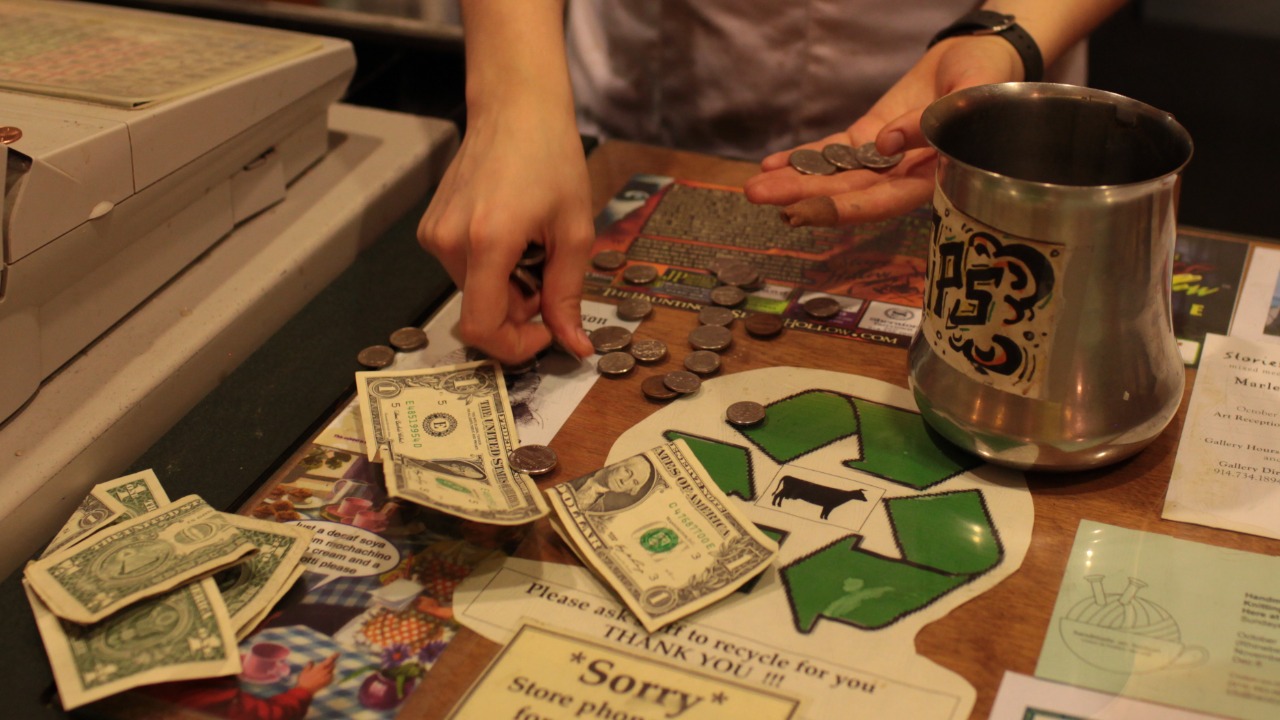
On July 3, 2025, Congress passed the One Big Beautiful Bill Act (OBBBA), a transformative tax law that eliminates federal income taxes on tips for certain workers. This legislation, championed by President Trump, aims to reshape the restaurant industry by potentially altering how gratuities and employee compensation are handled. The bill also extends tax exemptions to overtime pay, albeit with strict eligibility criteria, sparking debates about its implementation and economic impact. As the restaurant sector grapples with these changes, the broader implications of OBBBA continue to unfold.
Background on OBBBA’s Passage
The legislative journey of the One Big Beautiful Bill Act began with its approval by Congress on July 3, 2025. This bill, often referred to as Trump’s “big, beautiful bill,” emerged from his campaign promises to eliminate taxes on tips. The origins of OBBBA are deeply rooted in Trump’s policy agenda, which aimed to provide financial relief to service industry workers by removing federal income taxes on both tips and overtime pay. Initial reports from July 9, 2025, detailed the bill’s structure and its intended rollout, highlighting its potential to increase take-home pay for employees in the service sector.
However, the path to OBBBA’s passage was not without compromise. Critics have pointed out that early negotiations led to a tax framework that left some dissatisfied. A notable critique came from a July 8, 2025, opinion piece titled “Hook: Why Tax Compromises Left Me Dissatisfied With Trump’s Big Bill,” which expressed concerns over the concessions made during the bill’s development. These compromises have shaped the final version of OBBBA, influencing its scope and effectiveness in achieving its original goals.
Key Provisions Eliminating Taxes on Tips
At the heart of OBBBA is the provision that eliminates federal income tax on tips, a move designed to boost the earnings of workers in the service industry. The mechanics of this provision were outlined in coverage following the bill’s passage on July 3, 2025. By removing the tax burden on tips, the bill aims to increase the disposable income of employees who rely heavily on gratuities as a significant portion of their earnings.
In addition to tips, OBBBA extends the no-tax rule to overtime pay, although this benefit comes with limitations on who qualifies. According to a July 9, 2025, analysis, only certain categories of workers are eligible for this exemption, which has led to discussions about the fairness and inclusivity of the bill’s provisions. These eligibility criteria are crucial in determining which workers can fully benefit from the tax exemptions.
The introduction of OBBBA has brought about significant changes to the overall tax rules for tips. As reported on September 23, 2025, the law’s updates have prompted ongoing scrutiny and analysis of its impact on the food and beverage sector. These changes are expected to have far-reaching effects on how tips are managed and taxed, influencing both employers and employees in the industry.
Impact on the Restaurant and Food Service Industry
The implementation of OBBBA is poised to create shifts in tipping practices within the restaurant industry. An analysis from September 25, 2025, deconstructs the bill’s effects on the food and beverage sector, suggesting that the removal of federal income tax on tips could lead to changes in how gratuities are perceived and distributed. This shift may alter the dynamics between customers, employees, and employers, potentially affecting service quality and employee motivation.
For tipped workers in restaurants, the no-tax provisions of OBBBA could result in increased net earnings. By allowing employees to retain a larger portion of their tips, the bill aligns with its core promise of enhancing financial outcomes for service industry workers. However, the impact of these changes will depend on how businesses adapt to the new tax landscape and whether they adjust their compensation structures accordingly.
Despite the potential benefits, the eligibility criteria for tip and overtime exemptions may exclude certain roles within the restaurant industry. A breakdown of qualifications from July 9, 2025, highlights the specific categories of workers who can take advantage of the tax exemptions, raising questions about the inclusivity and fairness of the bill’s provisions. These limitations could lead to disparities in how different employees experience the financial benefits of OBBBA.
Limitations and Eligibility Challenges
The OBBBA’s no-tax treatment on tips is not universally applicable, as it includes specific limits on who qualifies for these benefits. According to a July 9, 2025, report, the bill outlines distinct worker categories that are eligible for the tax exemptions, creating a framework that may exclude certain employees from reaping the full advantages of the legislation. This selective approach has sparked discussions about the bill’s inclusivity and its potential to create disparities within the workforce.
Moreover, the changes to tax rules for tips introduced by OBBBA have created compliance challenges for restaurants. As analyzed in a September 23, 2025, update, these alterations require businesses to navigate new regulatory requirements, potentially increasing administrative burdens and complicating payroll processes. The need for compliance with the updated tax framework may pose significant hurdles for restaurant owners and managers.
Critics have also pointed to compromises in the bill’s design that limit its scope and effectiveness for the food and beverage sector. A critique from July 8, 2025, highlights how these compromises have shaped the final version of OBBBA, potentially undermining its ability to deliver on its promises. The limitations inherent in the bill’s provisions may restrict its impact on the industry, prompting calls for further revisions and improvements.
Broader Criticisms and Future Implications
Dissatisfaction with the tax compromises in OBBBA has been a recurring theme among critics. An opinion piece from July 8, 2025, titled “Hook: Why Tax Compromises Left Me Dissatisfied With Trump’s Big Bill,” articulates concerns about the concessions made during the bill’s development. These compromises have led to questions about the bill’s ability to achieve its intended goals and its long-term viability as a solution for the service industry.
The long-term effects of OBBBA on restaurant tipping culture are still unfolding. Insights from September 25, 2025, into the bill’s impact on the food and beverage industry suggest that the removal of federal income tax on tips could lead to shifts in customer behavior and employee compensation models. These changes may influence the overall tipping culture, potentially altering the relationship between patrons and service staff.
As the industry continues to adapt to the new tax landscape, ongoing adjustments to tip taxation mechanics are expected. The initial explanations of how the no-tax provision works, provided on July 3, 2025, offer a foundation for understanding these changes. However, the practical implementation of OBBBA will require continuous evaluation and refinement to ensure that it meets the needs of both employees and employers in the service sector.
More From TheDailyOverview
- Dave Ramsey says these two simple questions show whether you’re rich or poor
- Retired But Want To Work? Try These 18 Jobs for Seniors That Pay Weekly
- IRS raises capital gains thresholds for 2026 and what’s new
- 12 ways to make $5,000 fast that actually work

Julian Harrow specializes in taxation, IRS rules, and compliance strategy. His work helps readers navigate complex tax codes, deadlines, and reporting requirements while identifying opportunities for efficiency and risk reduction. At The Daily Overview, Julian breaks down tax-related topics with precision and clarity, making a traditionally dense subject easier to understand.


