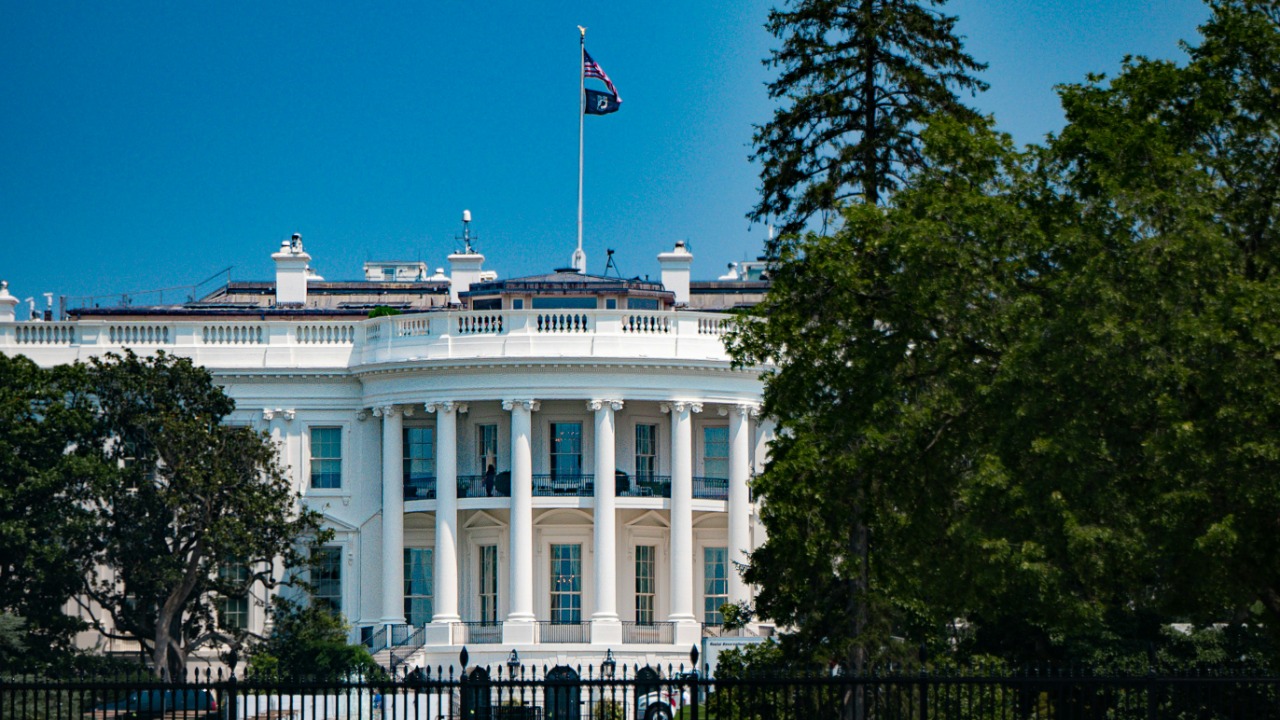
A new policy from the White House is casting doubt on the future of student loan forgiveness for many borrowers. Under the Trump administration, changes are being proposed that could significantly alter access to relief programs. Although there was an agreement to expand student loan forgiveness on October 19, 2025, experts are concerned that these changes might be used as a political tool, potentially targeting entire cities. This policy shift comes amid discussions to overhaul major programs like the Public Service Loan Forgiveness (PSLF) through executive action, which could affect millions who depend on debt relief.
Emerging White House Policy Risks
The latest policy from the White House introduces significant uncertainty for student loan forgiveness eligibility and processes. This development is part of broader efforts by the Trump administration to reshape debt relief, including a controversial proposal to transfer student loan oversight to the Small Business Administration. Such a move could fundamentally alter the pathways to forgiveness for borrowers, raising concerns about the future of these programs. The potential shift in oversight is seen as a strategic move that could redefine how student loans are managed and forgiven, impacting a wide range of borrowers who currently rely on existing structures for relief.
These policy changes are not occurring in isolation. They reflect a broader trend within the Trump administration to exert greater control over student loan programs. By potentially moving oversight to the Small Business Administration, the administration signals a desire to integrate student loan management with broader economic policies, possibly prioritizing business interests over individual borrower relief. This shift could lead to more stringent criteria for forgiveness, affecting those who are already struggling with debt.
Trump Administration’s Agreement on Expanded Forgiveness
On October 19, 2025, the Trump administration agreed to expand student loan forgiveness, providing temporary relief amid ongoing legal and policy negotiations. This expansion was seen as a positive step for borrowers seeking immediate relief. However, it contrasts sharply with the administration’s broader efforts to overhaul forgiveness programs, which could impose stricter criteria in the future. The temporary nature of this expansion underscores the uncertainty facing borrowers who may find themselves subject to new, more restrictive policies once the current agreement lapses.
The agreement to expand forgiveness was a response to mounting pressure from various stakeholders, including borrowers and advocacy groups, who have been vocal about the need for more accessible relief options. Despite this temporary expansion, the administration’s long-term plans suggest a shift towards more selective forgiveness criteria, potentially leaving many borrowers without the support they need. This dichotomy between short-term relief and long-term policy changes highlights the precarious position of borrowers navigating the current landscape.
Expert Fears of Political Weaponization
Experts have voiced concerns that President Trump might use student loan forgiveness as a ‘tool for political punishment’. There is apprehension that the administration could impose targeted restrictions based on borrower demographics or geographic locations, effectively penalizing areas perceived as politically opposed. One expert warned, “I could see entire cities being targeted,” illustrating the potential for these changes to be used as a means of political leverage. This fear is rooted in the administration’s broader approach to policy-making, which has often been characterized by its willingness to use executive power to achieve political ends.
The potential for political weaponization of student loan forgiveness raises significant ethical and legal questions. If forgiveness criteria are manipulated to favor certain groups over others, it could undermine the fundamental principles of fairness and equity that these programs are supposed to uphold. Such actions could also lead to increased polarization and distrust among borrowers, who may feel that their financial futures are being used as pawns in a larger political game.
Reshaping the Public Service Loan Forgiveness Program
President Trump aims to reshape the Public Service Loan Forgiveness (PSLF) program through an executive order, introducing new eligibility hurdles that could disqualify many public sector workers. This move could significantly impact teachers, nurses, and government employees who have relied on PSLF for debt relief. The proposed changes could lead to delays or denials for those in qualifying repayment plans, creating additional barriers for individuals who have dedicated their careers to public service.
The proposed overhaul of PSLF is part of a broader strategy to tighten eligibility criteria across various student loan forgiveness programs. By imposing new hurdles, the administration seeks to reduce the number of borrowers who qualify for forgiveness, potentially saving federal resources but at the cost of increased financial strain on public sector workers. These changes could discourage individuals from pursuing careers in public service, exacerbating existing workforce shortages in critical areas such as education and healthcare.
Overall Impacts of Trump’s Presidency on Borrowers
The Trump presidency has had a profound impact on student loans and debt forgiveness, with significant shifts in policy and oversight. The administration’s decision to move student loan oversight to the Small Business Administration on March 23, 2025, is a key example of these changes. This move could limit forgiveness options for small business owners and other borrowers, as the focus shifts towards integrating student loan management with broader economic policies.
These changes reflect a broader trend within the administration to prioritize economic considerations over individual borrower relief. By aligning student loan oversight with the Small Business Administration, the administration signals a shift towards treating student loans as an economic issue rather than a social one. This approach could lead to more restrictive forgiveness criteria, impacting borrowers who are already struggling with debt. As the administration continues to reshape student loan policies, borrowers face increasing uncertainty about their financial futures.
In conclusion, the Trump administration’s approach to student loan forgiveness is characterized by significant policy shifts that could have far-reaching implications for borrowers. While temporary expansions provide some relief, the broader trend towards more restrictive criteria and potential political weaponization raises serious concerns about the future of these programs. As the administration continues to navigate the complex landscape of student loan policy, borrowers must remain vigilant and informed about the changes that could impact their financial well-being.
More From TheDailyOverview
- Dave Ramsey says these two simple questions show whether you’re rich or poor
- Retired But Want To Work? Try These 18 Jobs for Seniors That Pay Weekly
- IRS raises capital gains thresholds for 2026 and what’s new
- 12 ways to make $5,000 fast that actually work

Silas Redman writes about the structure of modern banking, financial regulations, and the rules that govern money movement. His work examines how institutions, policies, and compliance frameworks affect individuals and businesses alike. At The Daily Overview, Silas aims to help readers better understand the systems operating behind everyday financial decisions.

