Nvidia recently found itself at the center of a geopolitical storm when the White House considered imposing restrictions on its AI chip sales to China. Thanks to the strategic lobbying efforts by Nvidia’s CEO, Jensen Huang, the company managed to avert potential sanctions that could have significantly impacted its business operations and stock performance.
The Geopolitical Landscape

The tech world has been closely watching the evolving U.S.-China tech tensions, which have far-reaching implications on global markets. The increasing competition between the two largest economies is not just about economic dominance but also about technological leadership. AI technology is at the forefront of this race, with both countries recognizing its potential impact on national security and economic power.
Nvidia’s business model heavily relies on the Chinese market, given the substantial demand for its AI chips in the region. China’s rapid technological advancements have made it a crucial market for Nvidia, and any restrictions on chip sales would have been detrimental. The ongoing geopolitical tensions thus present a complex challenge for companies like Nvidia that find themselves caught between competing national interests.
Jensen Huang’s Strategic Maneuvering
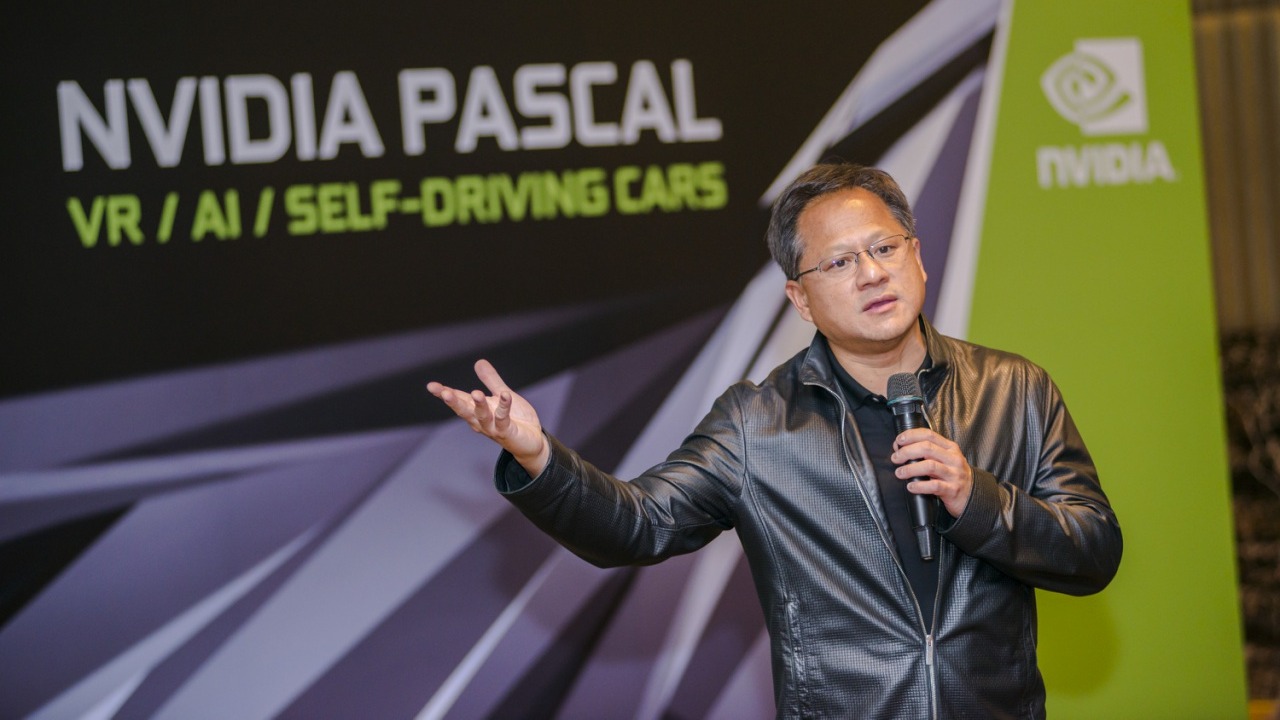
Jensen Huang, Nvidia’s visionary CEO, has been pivotal in navigating these choppy waters. His lobbying efforts involved extensive discussions with U.S. policymakers, emphasizing the critical role of Nvidia’s AI technology across various sectors. Huang’s approach was to demonstrate how continued trade with China could benefit both nations, positioning Nvidia as a bridge rather than a barrier in international relations.
Huang’s strategy involved not only highlighting the importance of AI in sectors such as healthcare, finance, and defense but also showcasing Nvidia’s potential contributions to the U.S. economy. By articulating the mutual benefits of allowing AI chip sales to China, he managed to sway the decision-making process in Nvidia’s favor. This strategic maneuvering is detailed in several reports on his lobbying efforts.
The White House’s Decision-Making Process
The White House’s decision to permit Nvidia’s AI chip sales to China was influenced by a myriad of factors. Key among them was the recognition of the broader economic and diplomatic goals of the U.S. Balancing national security concerns with economic interests is no easy task, but the administration saw value in maintaining a stable trade relationship with China.
Other tech industry stakeholders also played a role in shaping this decision. The interconnectedness of global supply chains means that policies affecting one company can have ripple effects across the industry. The White House’s decision reflects a nuanced understanding of these dynamics, ensuring that the U.S. remains competitive while safeguarding its strategic interests.
Market Implications and Investor Reactions

The news of the White House’s decision positively impacted Nvidia’s stock performance, with investor confidence receiving a significant boost. Wall Street analysts have noted that Nvidia’s ability to maintain access to the Chinese market is critical for its continued growth and innovation. The company’s stock is among those likely to rally next, as highlighted by a veteran Wall Street strategist.
In the long term, Nvidia’s market position and revenue streams are expected to benefit from its strategic presence in China. The broader tech sector is also likely to experience positive effects, as other companies look to Nvidia’s experience as a benchmark for navigating international trade tensions. The decision serves as a reminder of the intricate balance between political and economic interests in the tech industry.
Future Challenges and Opportunities

While Nvidia has successfully dodged this particular bullet, future challenges remain on the horizon. The U.S.-China relationship is volatile, and any further deterioration could impact Nvidia’s operations. It will be crucial for the company to continue innovating and potentially diversify its market presence to mitigate geopolitical risks.
Opportunities exist for Nvidia to expand its influence and solidify its position as a leader in AI technology. By leveraging its experience, the company can explore new markets and develop technologies that address global challenges. Nvidia’s journey might serve as a valuable case study for other tech firms navigating similar international trade tensions. This scenario underscores the importance of strategic foresight and adaptability in the ever-changing tech landscape.

Grant Mercer covers market dynamics, business trends, and the economic forces driving growth across industries. His analysis connects macro movements with real-world implications for investors, entrepreneurs, and professionals. Through his work at The Daily Overview, Grant helps readers understand how markets function and where opportunities may emerge.

