New York’s long campaign to bring full-scale casinos to the five boroughs has finally crossed a decisive threshold, with state regulators advancing all three New York City bids toward construction. The move transforms what had been speculative mega-projects into likely fixtures of the city’s economic and political landscape, setting up a high-stakes race to break ground and capture a lucrative new stream of gaming revenue.
The approvals also crystallize a broader shift in how New York treats casino gambling, recasting it from a distant upstate industry into a central piece of the city’s development strategy. What happens next will determine not only where people place their bets, but how neighborhoods from Queens to the Bronx absorb billions of dollars in new investment and the traffic, jobs, and controversy that come with it.
The Gaming Facility Location Board’s pivotal recommendation
The turning point came when The Gaming Facility Location Board, after years of procedural buildup, recommended all three New York City casino proposals for licenses. That decision, delivered on a Monday after a process that has stretched more than 12 years, effectively signaled that state gatekeepers are ready to let the city host a trio of full casinos rather than just racinos and slots parlors, a shift that had been anticipated since voters first opened the door to expanded casino gambling across the state. The board’s move is not the final word, since the projects still need formal sign-off from the New York State Gaming Commission, but it is the first time all three bids have cleared the same major hurdle together, giving developers and local officials a clear path to plan around.
In practical terms, the recommendation means the projects can now be treated as likely rather than hypothetical, which changes how unions, community boards, and city agencies approach everything from traffic planning to workforce pipelines. Reporting on the board’s action describes it as a major step in a process that has been bogged down in bureaucracy and local politics, with the Monday vote framed as the moment the state finally moved from debate to decision on where the city’s casino footprint will land, and how much tax revenue it might generate between 2027 and 2036 for public priorities such as transit and education, according to detailed projections cited in long term revenue estimates.
Three projects, three borough-scale bets
Each of the three recommended proposals represents a different vision of how casino gambling should be woven into New York City’s urban fabric. One centers on transforming an existing racino into a full resort, another wraps gaming into a broader entertainment and park concept next to a Major League Baseball stadium, and a third aims to anchor a new complex at a Bronx golf course. Together, they sketch out a map of high-profile sites that stretch from Queens to the Bronx and into long-debated corners of the city’s development agenda, reflecting how state officials have tried to balance economic potential with political feasibility.
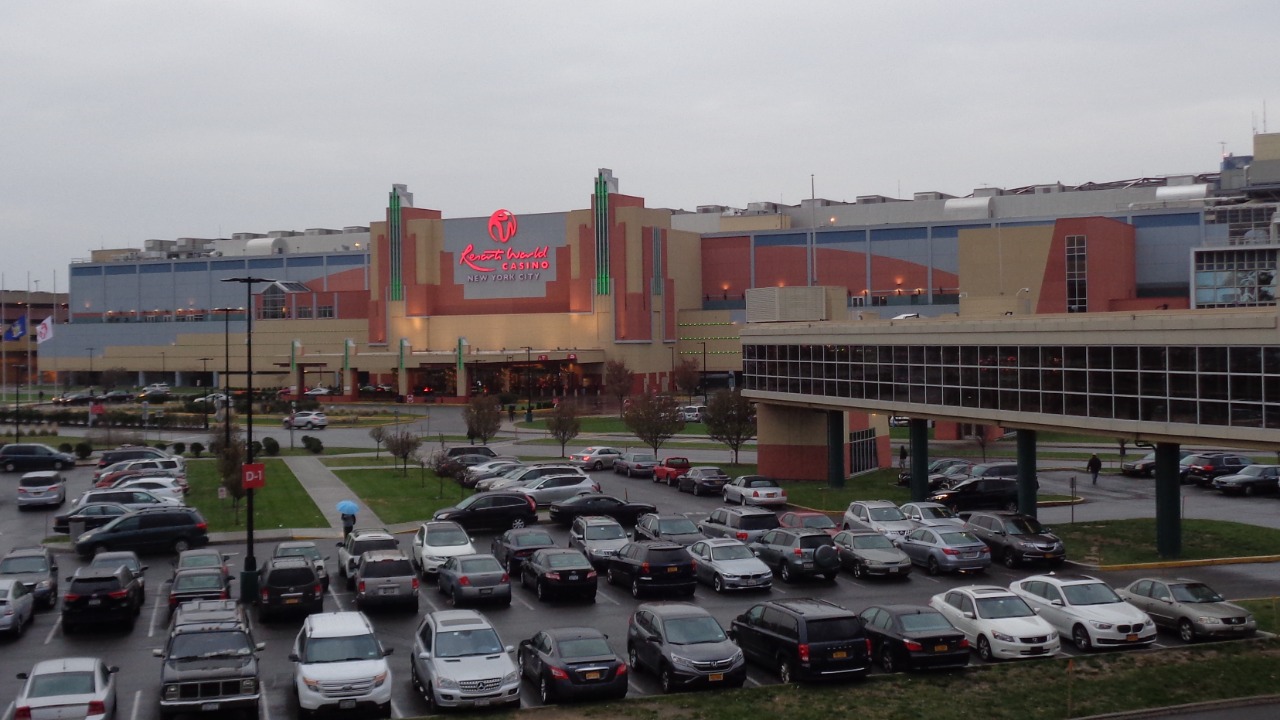
The clearest example of that balancing act is the plan to convert the current racino in Queens into a full casino resort. Resorts World has outlined a $5.5 billion proposal to transform the existing facility into a sprawling 5.6 m square foot complex, a scale that would instantly place it among the largest single-site investments in the city’s recent history. That project, which builds on an already operating gaming footprint, is described as part of a broader package of $8 billion in investments tied to the three licenses, according to financial details laid out in state gaming board approvals.
Steve Cohen’s Citi Field vision and the Queens front
In Queens, the most politically charged proposal is the plan championed by Mets owner Steve Cohen to build a casino and entertainment district next to Citi Field. Branded as Big Vision For Metropolitan Park, the project is pitched as a way to elevate an underdeveloped area that has long been dominated by parking lots and fragmented infrastructure, turning it into a year-round destination that extends far beyond baseball season. The recommended approval for this bid signals that state officials are willing to back a sweeping reimagining of the land around the stadium, even as local debates continue over land use, parkland status, and neighborhood impact.
Supporters argue that Big Vision For Metropolitan Park would knit together sports, hospitality, and gaming into a single district that could rival other national entertainment hubs, while critics worry about congestion and the social costs of expanded gambling. The state’s endorsement suggests it sees more upside than risk, particularly in the promise of new jobs and tourism spending that could spill over into nearby communities and transit hubs. The project’s ambitions are underscored in reporting that details how the casino would sit alongside new green space, retail, and a potential home for Major League Soccer’s NYCFC, all wrapped into the Cohen backed Metropolitan Park plan.
The Bronx golf course play and Empire City’s evolution
North of Queens, state regulators have also advanced a proposal to bring a casino to a Bronx golf course, a move that would plant a major gaming facility in a borough that has often been left out of marquee private investments. The project is framed as part of a broader push to redevelop underused recreational land into a mixed-use complex that includes gaming, hospitality, and public amenities, a strategy that has sparked intense local debate over who benefits from such a transformation. The Bronx bid is frequently discussed alongside the city’s other casino plans as evidence that the state is willing to place high-value projects in areas that have historically seen less large-scale commercial development.
At the same time, The Las Vegas casino giant behind a major expansion of Empire City Casino has seen its own ambitions folded into the citywide casino conversation. The company had planned a significant upgrade of the Empire City Casino, a slots parlor located at the Yonk racetrack, with the goal of securing one of the coveted full licenses. Reporting on the state’s latest decisions notes that New York has advanced casinos at a Bronx golf course and near the Mets stadium while also weighing how to handle the Empire City site, which remains a key piece of the regional gaming puzzle given its existing customer base and infrastructure, as detailed in coverage of Bronx and Empire City plans.
Economic stakes, public anxiety, and what comes next
The economic stakes behind these projects are enormous, which is why state officials and developers have spent years fine tuning their pitches. Projections tied to the three licenses point to billions in private investment, thousands of construction and permanent jobs, and a new stream of tax revenue that could help plug budget gaps or fund long deferred infrastructure. The Gaming Facility Location Board’s recommendation on Monday effectively tells investors that New York is ready to cash in on the full potential of casino gambling across the state, a message that has been echoed in coverage describing how long awaited NYC casinos have cleared a giant hurdle and moved one step closer to construction, as highlighted in reporting by Philip Marcelo on the statewide shift.
Yet the public mood around these developments is more complicated than the headline numbers suggest. Buyer anxiety hits hard this holiday season partly due to inflation, according to a survey that captures how household budgets are already stretched even before new entertainment options arrive. Since then, four full casinos with table games have opened in other parts of the state, giving New Yorkers a preview of how gaming can reshape local economies and spending patterns. That context matters as city residents weigh whether new casinos in Queens and the Bronx will feel like welcome amenities or pressure points on already tight finances, a tension reflected in coverage of survey driven consumer unease.
Local politics, neighborhood impacts, and the road to final approval
Even with the state’s recommendation in hand, the casino projects still have to navigate a dense thicket of local politics and regulatory checks. Community advisory committees, city land use processes, and neighborhood coalitions will all have a say in how, and in some cases whether, the proposed complexes take their final shape. In Queens, for example, the Citi Field area has long been the subject of competing visions that range from parkland restoration to commercial build out, and the Big Vision For Metropolitan Park proposal will have to prove it can deliver tangible benefits to surrounding communities rather than simply drawing visitors in and out on game days and casino nights.
In the Bronx, the golf course plan raises its own questions about access, environmental impact, and the balance between public recreation and private profit. Residents and local leaders will be watching closely to see how traffic, transit, and housing pressures are addressed in the final designs, and whether promised jobs and community investments materialize in binding agreements rather than glossy renderings. The state’s role will remain central as the New York State Gaming Commission reviews the board’s recommendations and moves toward issuing licenses, a process that has been closely tracked by political observers who note that all three New York City casino proposals were recommended for licenses in a single sweep, as confirmed in detailed accounts of the board’s Monday decision.
How the new casinos could reshape New York’s entertainment map
If the projects clear their remaining hurdles, New York City’s entertainment geography will look very different by the time the casinos open. Instead of treating gaming as something that happens upstate or across the Hudson, the city would have a network of full casinos integrated into existing sports, transit, and tourism corridors. A visitor could spend the afternoon at a Mets game, walk into a casino and entertainment district at Citi Field, or head to a reimagined Queens racino that has been rebuilt into a full scale resort, while residents in the Bronx would see a golf course transformed into a year round destination that blends gaming with hospitality and events.
That shift will also change how the city markets itself globally, positioning New York as a competitor to Las Vegas and other gaming hubs rather than an outlier that kept casinos at arm’s length. It will test whether the city can manage the social and economic trade offs of expanded gambling while still delivering on promises of jobs, tax revenue, and neighborhood improvements. The stakes are visible not only in the marquee projects but in the smaller details, from how a single Queens intersection near Citi Field handles new traffic flows to how local small businesses adapt to the influx of visitors. For New York, the dice are not yet fully cast, but the table is finally set.
More From TheDailyOverview
- Tennessee loses $2.6B megafactory and faces major layoffs
- Retired But Want To Work? Try These 18 Jobs for Seniors That Pay Weekly
- What to do with your pennies after the U.S. stops minting them
- Home Depot CEO warns of a troubling customer trend in stores

Elias Broderick specializes in residential and commercial real estate, with a focus on market cycles, property fundamentals, and investment strategy. His writing translates complex housing and development trends into clear insights for both new and experienced investors. At The Daily Overview, Elias explores how real estate fits into long-term wealth planning.

