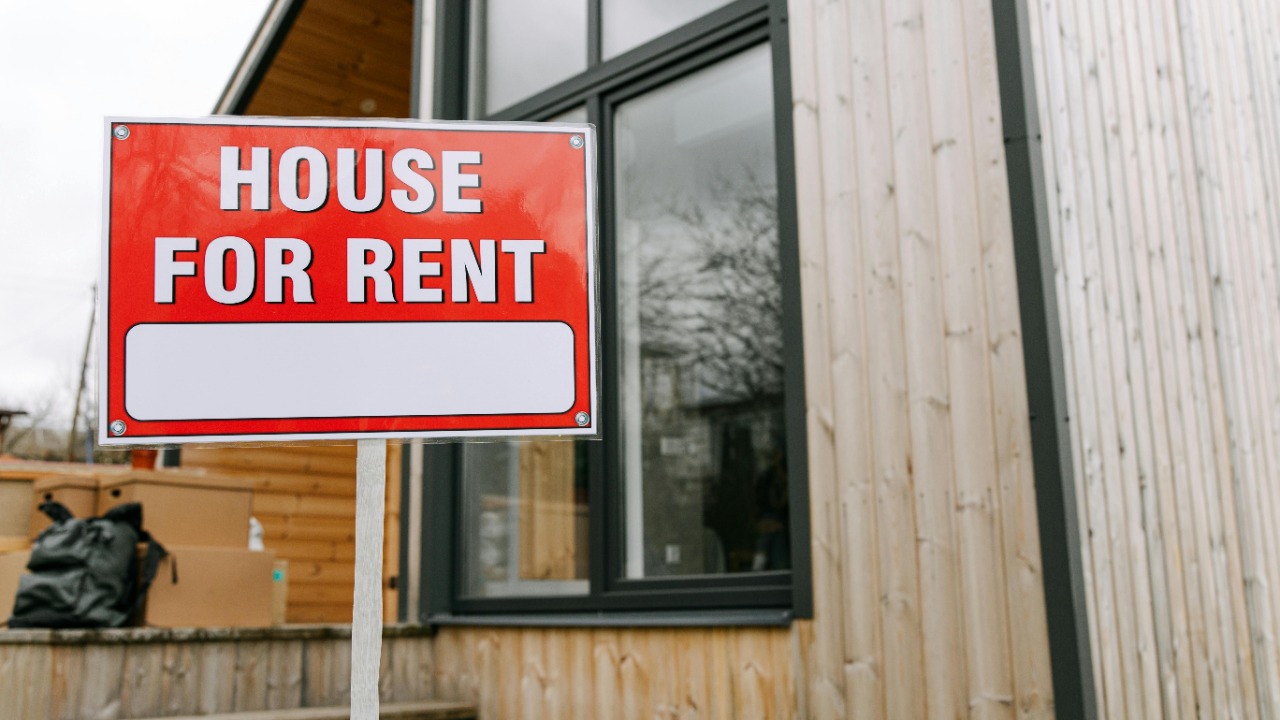
New York City landlords are watching their tax bills climb faster than their rents, and many say the political class has no real plan for what happens next. As property taxes surge and legal challenges mount, the city’s housing market is being reshaped in ways that threaten both small owners and the tenants who rely on them.
Behind the frustration is a system that piles costs on some buildings while cutting breaks for others, often with little connection to income, neighborhood need, or basic fairness. When a landlord says city leaders are clueless, what they usually mean is that the people writing the rules seem detached from how these tax decisions play out on a balance sheet, a rent roll, or a block already teetering on the edge of disinvestment.
Property tax hikes are colliding with a fragile rental market
The starting point for any landlord complaint right now is simple: the bill is going up, and it is going up fast. In the city’s own framework, Tax class 1, which covers one- to three-family homes, saw its rate increase by a precise 81.4 bps, a jump that lands directly on smaller owners who often operate with thin margins and limited access to capital. That figure is not an abstraction, it is a line item that can wipe out a year’s worth of repairs or the cushion that keeps a building solvent when a tenant loses a job or a boiler fails, and it is spelled out in the latest NYC budget and property tax updates.
At the same time, the city is already looking ahead to how much more it will need to collect, and that process is not driven by what landlords or tenants can reasonably afford. Officials begin by Determining the Property Tax Levy, essentially backing into tax rates from the revenue target the city sets for itself. For owners, that means the number on the bill reflects budget politics as much as neighborhood reality, and it helps explain why so many feel that the people in charge are treating their buildings like an ATM rather than a shared civic asset.
A legal system that admits the tax structure is “unfair” but keeps using it
Layered on top of the raw cost increases is a growing acknowledgment, even inside government, that the property tax system itself is skewed. In New York City, Mayor Eric Adams has been defending the status quo in court even as critics describe the structure as “unfair,” and that tension is captured in a legal fight that has drawn in Hodgson Russ Senior Associate Henry Zomerfeld and other specialists. When the city’s own rhetoric concedes that the framework is flawed but the administration still spends its energy defending it, landlords hear a clear message: the inequities are a known feature, not a bug that leaders are racing to fix.
The courts are now a central arena for this fight, and the stakes are high for both owners and tenants. New York’s highest court has already allowed a major challenge to move forward, with plaintiffs arguing that property owners in underprivileged areas are paying more than their fair share while wealthier neighborhoods benefit from structural quirks in the law. That green light, described in detail in an analysis of how a New York lawsuit could cause property tax hikes, means the system could be forced into a reckoning that either redistributes the burden or, in a worst case for some owners, raises it further to satisfy constitutional standards.
Tax breaks for “hipster” enclaves deepen the sense of unfairness
Nothing fuels landlord anger quite like watching a neighbor in a trendier ZIP code pay less tax on a more valuable building. Advocates have documented how Landlords in the city’s wealthier areas and hipster havens are still getting away with paying less than their fair share, even as owners in less fashionable neighborhoods shoulder heavier bills. That pattern, which persists despite a court order aimed at correcting disparities, is at the heart of reporting that shows how Landlords catering to NYC hipsters get a tax break at the expense of struggling minorities.
For a small owner in a working class part of Brooklyn or the Bronx, that kind of structural favoritism is not just a talking point, it is a monthly cash flow problem. When a renovated loft building in a “hipster haven” benefits from legacy assessment rules while a modest walk-up in a lower income area is taxed aggressively, the message from City Hall looks perverse: invest in the neighborhoods that already have money and political clout, and accept that everyone else will subsidize them. That is the context in which landlords say city leaders are out of touch, because the inequities are baked into the code, not hidden in the fine print.
Tax lien sales and the risk of a downward spiral
Beyond the annual bill, landlords are increasingly worried about what happens when they fall behind. New York City’s use of tax lien sales, where unpaid property tax debts are bundled and sold off to private investors, has become a flashpoint for those who see a direct line from rising assessments to neighborhood decline. Critics warn that these sales can strip equity from owners who are already stretched thin and set off a chain reaction of disinvestment, a concern captured in a warning that Alarm bells are only just starting to ring about how tax lien sales could worsen the affordable housing crisis.
From a landlord’s perspective, the threat is not theoretical. A missed payment can quickly snowball into penalties, legal fees, and the prospect of losing the building entirely, often to investors with little stake in long term community stability. When policymakers treat lien sales as a routine enforcement tool rather than a last resort, they risk pushing vulnerable properties into the hands of speculative buyers who may prioritize short term profit over maintenance or tenant protections. That is why many owners argue that the city’s approach to delinquent taxes looks more like a revenue collection strategy than a housing policy, and it is another reason they see leadership as disconnected from the on the ground consequences of its choices.
Anti-poverty advocates, polls, and the political pressure to reform
Landlords are not the only ones pointing to property taxes as a driver of New York’s housing problems. Anti-poverty groups have increasingly identified the tax structure as a culprit in rising rents and stalled construction, arguing that high and uneven levies make it harder to keep existing apartments affordable or to build new ones at scale. Their case has gained political traction, in part because a spokesperson for former governor Andrew Cuomo, who is far ahead in the polls for a potential return to statewide office, has highlighted research that ties tax policy to the broader housing crisis, a connection detailed in reporting from THE CITY on how anti-poverty groups ID property taxes as part of the problem.
For owners, that emerging consensus is a double edged sword. On one hand, it validates what they have been saying for years, that the tax system is not just a private headache but a public policy failure that drives up rents and discourages investment. On the other, it raises the possibility that reform could come in ways that shift burdens rather than reduce them, especially if lawmakers decide to rebalance the system by raising rates on certain classes of property while cutting them elsewhere. When I talk to landlords who describe city leaders as clueless, what they often mean is that they see politicians responding to polls and pressure from advocacy groups without a clear, coherent plan for how to redesign the tax code so that it supports, rather than undermines, the long term health of New York’s housing stock.
More From TheDailyOverview
- Tennessee loses $2.6B megafactory and faces major layoffs
- Retired But Want To Work? Try These 18 Jobs for Seniors That Pay Weekly
- What to do with your pennies after the U.S. stops minting them
- Home Depot CEO warns of a troubling customer trend in stores

Elias Broderick specializes in residential and commercial real estate, with a focus on market cycles, property fundamentals, and investment strategy. His writing translates complex housing and development trends into clear insights for both new and experienced investors. At The Daily Overview, Elias explores how real estate fits into long-term wealth planning.

