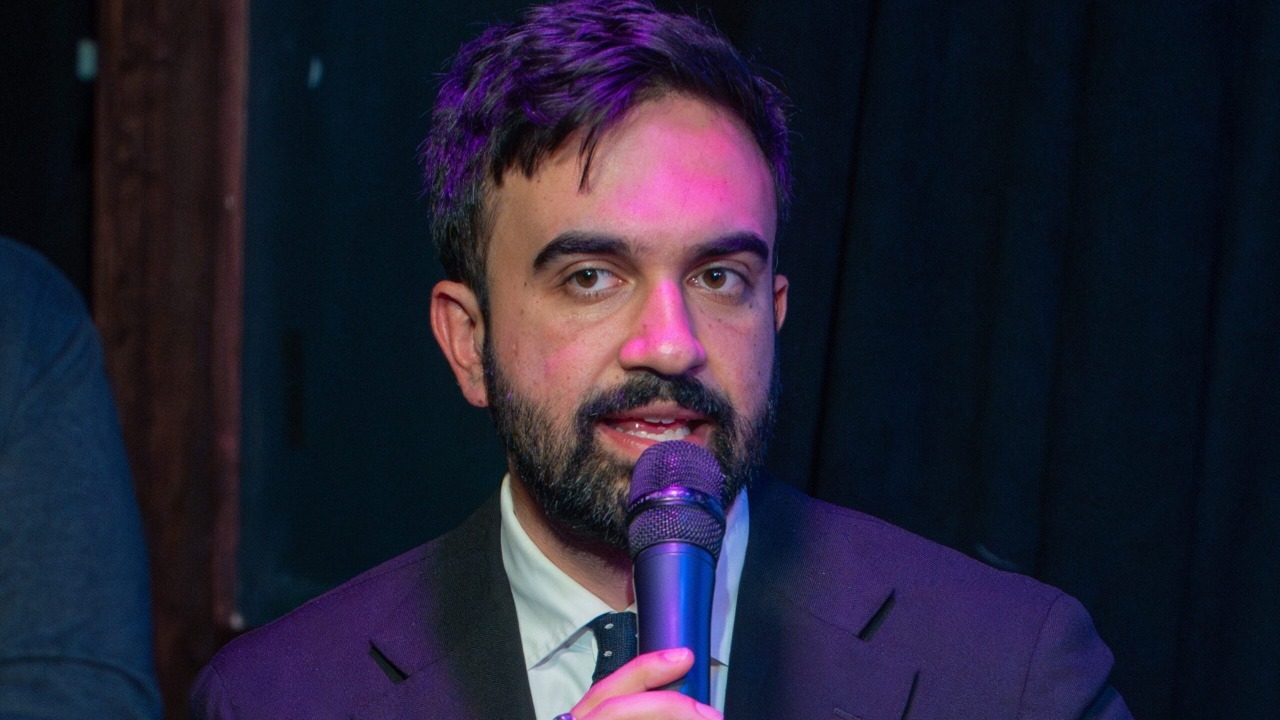
Mayor Zohran Mamdani has ignited a fierce backlash from New York City’s real estate industry by proposing a 9.5% property tax rate increase as part of his Fiscal Year 2027 preliminary budget, a move he frames as a fallback if Albany refuses to pass a state wealth tax on millionaires. The proposal would push the average citywide property tax rate from 12.28% to 13.45%, generating an estimated $3.7 billion in new revenue to close a $5.4 billion two-year budget gap. Landlords and industry groups are calling it the “final nail in the coffin” for property owners already squeezed by rising costs, while the mayor insists the alternative, a tax on the ultra-wealthy, is the path he actually prefers.
A $127 Billion Budget Built on a Tax Ultimatum
The FY2027 preliminary budget totals $127 billion, and the property tax increase is its most contentious revenue assumption. According to the mayor’s budget release, the 9.5% rate hike would produce $3.7 billion in FY2027 alone, enough to cover the bulk of a $5.4 billion shortfall the administration says it inherited. But Mamdani has made clear this is not his first choice. He has warned that if the governor and State Legislature do not institute tax hikes on the wealthy, the property tax increase will go forward, effectively turning it into a pressure campaign aimed at Albany.
The budget also leans on city reserves to bridge immediate gaps. Planned withdrawals include $980 million from the rainy day fund in FY2026 and $229 million from the retiree health trust in FY2027, according to the mayor’s budget transcript. State Comptroller Thomas DiNapoli confirmed the budget’s key figures but flagged concerns about revenue volatility, heavy reserve use, and execution risk. That combination of aggressive tax assumptions and depleted savings has drawn skepticism from fiscal watchdogs who worry the city is trading short-term balance for long-term fragility.
Why Landlords Call It the “Final Nail”
The Real Estate Board of New York, the city’s most prominent property industry group, has sharply criticized the proposal, framing it as a threat to an industry already dealing with high interest rates, elevated insurance costs, and regulatory burdens. For commercial landlords struggling with post-pandemic vacancy rates, a nearly 10% jump in their tax bill hits operating margins directly. For residential landlords, especially those with rent-stabilized portfolios, the math is even harder: they cannot easily pass the cost to tenants, meaning the increase eats into already thin returns.
The anger is sharpened by a competing fiscal narrative. The New York City Council’s own economic forecast, published late last year, projected $3.4 billion more in tax revenue for fiscal years 2026 and 2027 than the mayor’s Office of Management and Budget estimated. If the Council’s numbers are closer to reality, the budget gap is significantly smaller than Mamdani claims, and the case for a steep property tax hike weakens considerably. Property owners and their allies have seized on this discrepancy, arguing the administration is inflating the deficit to justify a tax increase that serves a broader political agenda rather than strict fiscal necessity.
The Political Gambit Behind the Numbers
Mamdani’s strategy is not purely fiscal. By threatening a property tax hike that would hit homeowners across all five boroughs, he is creating political pain that puts direct pressure on Governor Kathy Hochul, who is seeking re-election this year. A wealth tax on millionaires, which would require state legislation, is far more popular with voters than a broad property tax increase. Mamdani is betting that Hochul and state legislators will find it easier to tax a small number of high earners than to let millions of property owners absorb the blow, and that the political calculus of an election year will force Albany’s hand.
The mayor himself has called the property tax hike “painful” and a “last resort,” language that reinforces the framing of the increase as a consequence of Albany’s inaction rather than his own policy preference. That rhetorical positioning matters. If the wealth tax passes, Mamdani gets the progressive revenue source he campaigned on. If it fails, he can blame the governor and the legislature for the property tax increase, insulating himself from voter backlash. It is a heads-I-win, tails-you-lose setup for the new mayor, though it carries real risk if property owners and middle-class homeowners decide the blame belongs at City Hall regardless.
What the Tax Base Actually Looks Like
The Department of Finance has already published the FY2027 tentative property tax assessment roll, which includes citywide market value and taxable billable assessed value totals. These figures show the tax base has largely recovered from the pandemic slump, with growth concentrated in higher-value residential neighborhoods and prime commercial corridors. That rebound undercuts claims that the city is too fragile to absorb any tax increase, but it also highlights how uneven the burden would be: owners of appreciating properties would see the sharpest dollar increases, while less affluent areas with stagnant values would contribute far less to the new revenue target.
At the same time, the mechanics of the system mean the pain will not be evenly distributed even within a single building type. Under New York’s complex classification rules, one- to three-family homes, large rental buildings, co-ops, and commercial properties are each taxed differently, and assessment caps can delay how quickly increases show up on individual bills. The city’s own property tax overview notes that assessment increases on small homes are phased in over several years, while large rental and commercial buildings feel changes more quickly. That structure could blunt the immediate impact on some homeowners but intensify it for landlords already struggling with higher operating costs and debt service.
How a 9.5% Hike Would Hit Owners and Renters
For individual homeowners, the headline number masks a lot of complexity. A 9.5% increase in the tax rate does not automatically translate into a 9.5% jump in every bill, because assessments, exemptions, and caps all play a role. Still, the administration’s own estimates suggest the typical one- to three-family homeowner would face several hundred dollars in additional annual taxes if the hike takes effect. City guidance on how property tax bills are calculated underscores that the final amount depends on assessed value after exemptions, the applicable tax class rate, and any phase-in rules. For many middle-class households already contending with higher mortgage rates and insurance premiums, even a modest increase could feel like a significant squeeze.
Renters would not be spared from the ripple effects. While rent-stabilized tenants are shielded by the Rent Guidelines Board from sudden spikes, landlords of both stabilized and market-rate units argue that higher taxes inevitably show up in rent renewals, reduced maintenance, or deferred capital improvements. The city’s rent increase rules make clear that owners cannot simply pass through tax hikes at will in regulated units, which is why many landlords warn that a large rate jump could accelerate building sales, conversions, or even foreclosures in the most financially stressed portfolios. Tenant advocates counter that these claims are often overstated, but acknowledge that any policy that tightens building finances risks compounding the city’s already severe housing quality and affordability challenges.
Wealth Tax Showdown and What Comes Next
Mamdani’s preferred alternative, a state-level wealth tax on millionaires, is central to how he is selling the budget. In public remarks reported by the New York Times, the mayor framed the 9.5% property tax hike as leverage to secure a broader tax on high-net-worth residents, arguing that those who have benefited most from the city’s economic growth should contribute more to closing its fiscal gap. A separate Times analysis notes that such a levy could raise several billion dollars annually, depending on its design, potentially eliminating the need for the full property tax increase while aligning the city’s revenue mix more closely with progressive ideals.
Whether that gambit succeeds will depend on negotiations in Albany over the coming months. If the governor and legislative leaders embrace some version of a millionaire or wealth tax, Mamdani will likely scale back or withdraw the property tax hike, claiming victory for a strategy that forced the state’s hand. If they resist, the city will face a stark choice between implementing a deeply unpopular property tax increase, finding alternative cuts and efficiencies, or revisiting its use of reserves. For now, the mayor is betting that the threat alone will be enough to shift the political calculus. Property owners, tenants, and budget watchdogs, meanwhile, are left to game out scenarios in which either the wealthy or the broader tax base (or, in a compromise, both) end up paying more to keep New York City’s $127 billion budget in balance.
More From The Daily Overview
*This article was researched with the help of AI, with human editors creating the final content.

Elias Broderick specializes in residential and commercial real estate, with a focus on market cycles, property fundamentals, and investment strategy. His writing translates complex housing and development trends into clear insights for both new and experienced investors. At The Daily Overview, Elias explores how real estate fits into long-term wealth planning.

