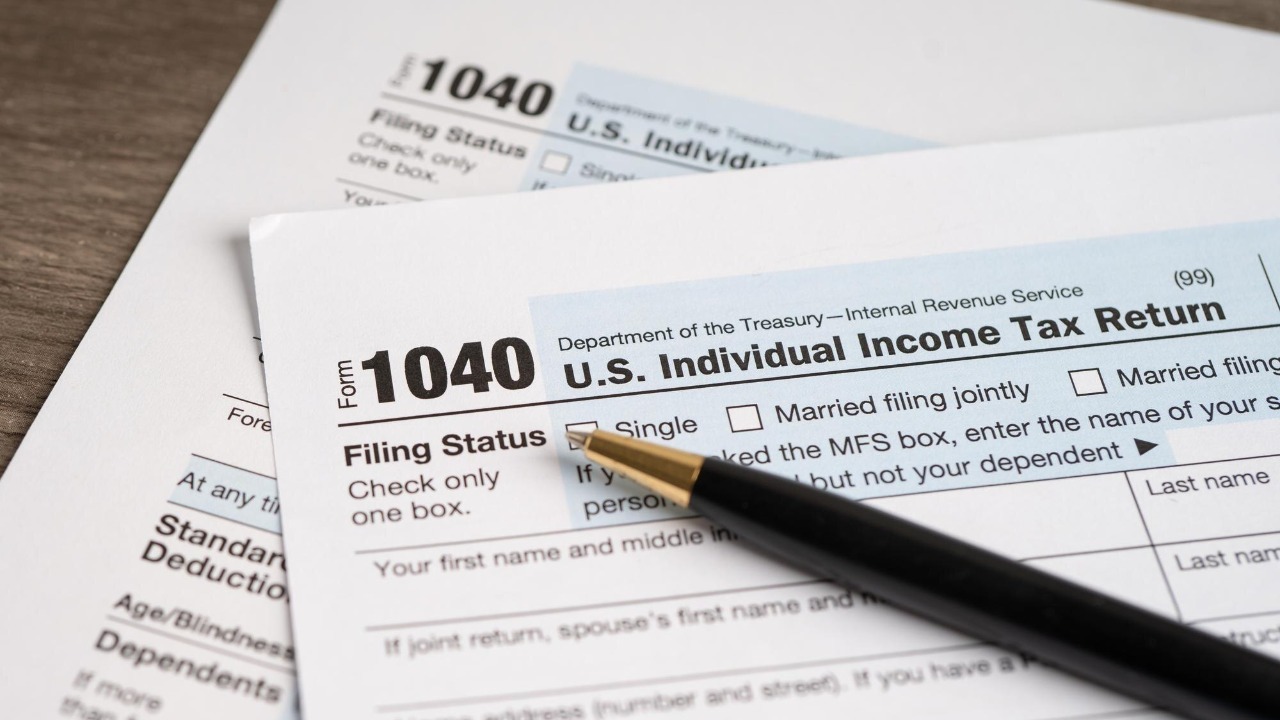
Thousands of taxpayers face the prospect of refiling their federal returns after a series of IRS processing failures, social media-driven filing errors, and e-file rejections created a backlog that federal watchdogs say is affecting millions of people. With the 2025 filing season set to begin on January 27 and the April 15 deadline looming, the pressure on filers who need to correct or resubmit returns is intensifying at the worst possible time.
IRS Systems Fail to Flag Incorrect Business Returns
A long-running gap in IRS processing has allowed tens of thousands of businesses to file the wrong Form 1120 series return without ever being told to fix the mistake. A detailed TIGTA audit found that IRS systems were not properly notifying taxpayers or routing misclassified cases for correction. The report, designated 2020-40-052, concluded that the problem stems from systemic design flaws rather than isolated human error, suggesting that the same weaknesses that let incorrect filings slip through on the business side may signal broader vulnerabilities in how the agency validates returns across multiple filing categories.
The practical result is that affected businesses may need to refile entirely, a process that consumes time and often requires professional tax preparation help. For small businesses operating on thin margins, the cost of correcting a return that the IRS itself failed to flag can run into hundreds or thousands of dollars in accounting fees, on top of any penalties or interest that may accrue if the error affects tax liability. The TIGTA findings also raise a harder question that most coverage of IRS backlogs overlooks, if the agency cannot reliably catch a wrong form number on a corporate return, how confident should individual filers be that their own submissions are being processed accurately and that legitimate refunds are not being delayed or misapplied?
Social Media Misinformation Drives False Claims
Beyond system design problems, a separate wave of filing errors is being driven by bad advice circulating on social media platforms. The IRS has warned that it has seen thousands of questionable claims from taxpayers who appear to be requesting credits they do not qualify for, including fuel tax credits and sick and family leave credits. In many of these cases, filers are submitting forms for the wrong reason entirely, apparently prompted by viral posts that promise easy refunds through obscure or misunderstood tax provisions and that gloss over eligibility rules, documentation requirements, and the risk of penalties.
The fallout hits hardest for people who acted on that misinformation in good faith, often without access to professional advice. Once the IRS flags a return as containing a suspect claim, the filer faces a review process that can freeze their refund indefinitely while the agency requests additional information or disallows the credit. Correcting the problem typically means amending or refiling the return, and the IRS has made clear that it intends to scrutinize these patterns closely. For low-income households that depend on timely refunds to cover rent, food, or utilities, even a few weeks of delay can create real financial strain. The Taxpayer Advocate’s 2025 report describes victims of tax-related scams as facing “shattered financial security” and “indefinitely frozen IRS refunds,” language that applies equally to people who filed false claims without realizing they were following fraudulent or inaccurate online advice.
E-File Rejections Force Paper Resubmissions
Even taxpayers who file correctly can get caught in the refiling cycle because of technical mismatches. IRS guidance on e-file rejection rules explains that returns rejected for discrepancies in age, name, or Social Security number can sometimes be corrected and resubmitted electronically. But other rejection conditions require taxpayers to print and mail a paper return instead, a step that adds days or weeks to processing time and forces filers to track two versions of the same return. To be considered timely, the paper filing must be postmarked by the later of the original due date or any valid extension, which can be difficult to manage when the rejection notice arrives close to a deadline.
That deadline rule creates a trap for filers who wait until early or mid-April to submit electronically, only to have their return bounced for a mismatch they did not anticipate. A rejection that arrives on April 14 leaves almost no time to prepare and mail a paper version, especially for people who rely on paid preparers or need to gather additional documents. Taxpayers who miss the postmark window risk penalties and interest on any balance owed, compounding the stress of an already confusing situation. Verifying personal information with the Social Security Administration before filing can prevent some SSN-related rejections, but many filers do not think to take that step until after a problem has occurred. To reduce surprises, the IRS encourages individuals to use its online account system and businesses to monitor their records through the separate business account, tools that can help taxpayers confirm what the agency has on file and catch discrepancies earlier in the process.
Millions of Returns Suspended Amid Processing Backlogs
The scale of the problem extends well beyond individual filing mistakes or isolated system glitches. The National Taxpayer Advocate reported in a mid-year update that the IRS suspended millions of returns pending review, a volume that strains the agency’s ability to resolve cases quickly. These suspensions are typically triggered by automated filters designed to catch identity theft, questionable credits, or math errors, but the same filters also snag legitimate returns, forcing compliant taxpayers into lengthy verification queues. When millions of returns are held up simultaneously, phone lines jam, correspondence piles up, and taxpayers struggle to get clear answers about what went wrong or what documentation is needed.
For those caught in this limbo, the experience can feel indistinguishable from being audited (even when no formal audit has been initiated). Refunds are delayed, notices may arrive with confusing or generic explanations, and attempts to respond can be slowed by mail backlogs or limited call-center staffing. The National Taxpayer Advocate has repeatedly emphasized that while fraud prevention is essential, the IRS must balance that mission against the need to process legitimate refunds quickly and communicate clearly with taxpayers whose returns are suspended. Without better transparency about why a return was flagged, what steps are required to resolve the issue, and how long resolution is likely to take, millions of filers may find themselves heading into the next filing season still waiting for money they expected months earlier.
How Taxpayers Can Reduce Their Refiling Risk
While many of the underlying problems stem from IRS systems and policy tradeoffs, individual taxpayers can take steps to reduce their chances of being forced to refile. One key safeguard is to avoid relying on unvetted social media content for tax advice, especially posts that promise unusually large or easy refunds. Instead, filers should consult official IRS publications, reputable nonprofit resources, or qualified professionals before claiming unfamiliar credits or deductions. Carefully reviewing eligibility rules for any new claim and retaining documentation that supports income, expenses, and family status can make it easier to respond quickly if the IRS questions a return. For business filers, confirming that the correct form series is being used and that the entity classification matches IRS records can help prevent the kind of misfilings identified in oversight reports.
On the technical side, filing early in the season provides a buffer in case an e-filed return is rejected and needs to be corrected or mailed on paper. Taxpayers should double-check names, Social Security numbers, and birth dates against official documents before submitting returns, and consider creating or updating their IRS online accounts to monitor processing status and spot issues sooner. Those who receive a notice that a return has been suspended or that a claim is under review should respond promptly and keep copies of all correspondence, as delays in replying can extend refund holds. As Congress and oversight bodies continue to press the IRS to modernize its systems and reduce backlogs, taxpayers who take a more cautious, documentation-focused approach can at least lower their odds of being pulled into the growing cycle of refilings and refund delays.
More From The Daily Overview
*This article was researched with the help of AI, with human editors creating the final content.

Julian Harrow specializes in taxation, IRS rules, and compliance strategy. His work helps readers navigate complex tax codes, deadlines, and reporting requirements while identifying opportunities for efficiency and risk reduction. At The Daily Overview, Julian breaks down tax-related topics with precision and clarity, making a traditionally dense subject easier to understand.