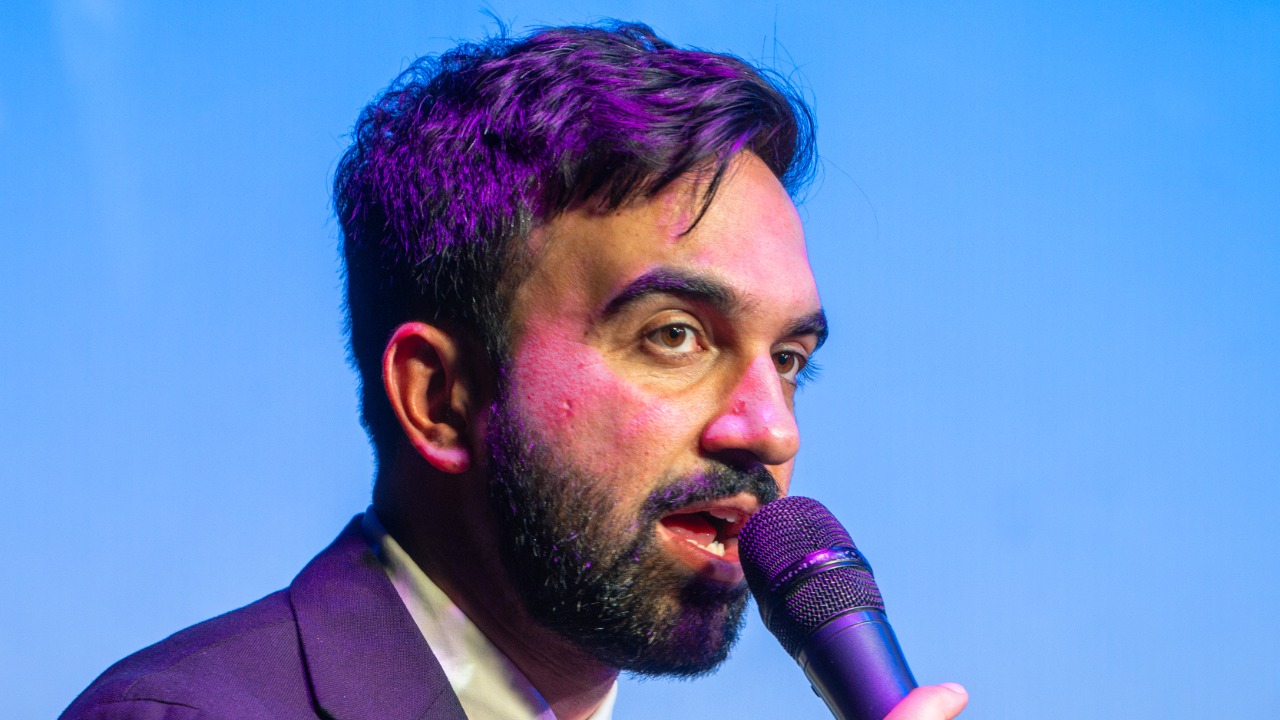
As the NYC mayoral race reaches its climax on November 4, 2025, Zohran Mamdani has taken the lead with a controversial rent freeze plan designed to stabilize housing costs for tenants. However, experts caution that this proposal could worsen the city’s housing crisis by discouraging new development and reducing the availability of rental units. While some analyses acknowledge Mamdani’s valid points regarding the potential benefits of rent control, the debate intensifies just days before voters cast their ballots.
Mamdani’s Rise in the Mayoral Race
Zohran Mamdani has emerged as the front-runner in the NYC mayoral race, a significant shift from earlier polling where he trailed behind his competitors. This change in momentum is largely attributed to growing voter concerns over affordability in New York City, an issue that Mamdani has placed at the forefront of his campaign. His rise in the polls reflects a broader desire among voters for progressive housing policies that address the city’s escalating living costs.
The impact of Mamdani’s campaign on stakeholders is profound. For tenants, his potential victory signals hope for more affordable living conditions. However, developers and landlords express concern over the implications of his rent freeze proposal. If elected, Mamdani’s policies could mark a significant shift towards more progressive housing reforms, potentially reshaping the city’s real estate landscape. This shift is underscored by the candidate’s ability to tap into the electorate’s desire for change, particularly in addressing the affordability crisis that has long plagued New York City.
Details of the Rent Freeze Proposal
Mamdani’s rent freeze plan aims to halt rent increases for stabilized units, a move intended to provide relief amid New York City’s high living costs. However, experts warn that such a policy could exacerbate the housing crisis by reducing incentives for landlords to maintain or build new properties. According to Fox Business, this could lead to a decrease in the overall housing supply, further tightening the market.
Historical examples of similar rent control measures in NYC have shown that while they may offer short-term relief to tenants, they often result in long-term supply shortages. This proposal represents a departure from recent incremental reforms that have sought to balance tenant protections with the need to encourage new development. The potential consequences of Mamdani’s plan highlight the complex dynamics of rent control policies and their impact on the housing market.
Expert Critiques and Counterarguments
Housing experts have voiced concerns that Mamdani’s rent freeze could deepen New York City’s shortage of affordable units by stifling investment in new housing stock. The Atlantic acknowledges that while Mamdani has a valid perspective on rent control’s role in protecting vulnerable renters from displacement, the broader market distortions could outweigh these benefits. The debate centers on the immediate advantages for tenants versus the potential long-term impacts on the housing market.
Discussions have also highlighted the varying impacts on major stakeholders, such as small landlords and low-income families. While some argue that the rent freeze could provide much-needed stability for tenants, others point out that it may lead to reduced property maintenance and fewer available units. As the race draws to a close, these evolving debates underscore the complexity of implementing effective housing policies in a city as diverse and dynamic as New York.
Ultimately, the outcome of the mayoral race will have significant implications for the future of housing policy in New York City. As voters head to the polls, the stakes are high for all parties involved, with the potential for Mamdani’s policies to reshape the city’s approach to affordability and development.
More From TheDailyOverview
- Dave Ramsey warns to stop 401(k) contributions
- 11 night jobs you can do from home (not exciting but steady)
- Small U.S. cities ready to boom next
- 19 things boomers should never sell no matter what

Elias Broderick specializes in residential and commercial real estate, with a focus on market cycles, property fundamentals, and investment strategy. His writing translates complex housing and development trends into clear insights for both new and experienced investors. At The Daily Overview, Elias explores how real estate fits into long-term wealth planning.

