The Federal Reserve’s latest attempt to feel out markets backfired in spectacular fashion, sending the U.S. dollar into a sharp slide and igniting a stampede into gold. As traders scrambled to interpret an odd “rate check” by the Fed, the world’s benchmark reserve currency wobbled and the classic haven metal ripped to fresh records. The episode has turned a technical policy maneuver into a broader referendum on confidence in U.S. assets.
What began as a seemingly limited probe of interest rate expectations has now morphed into a full-blown test of the global financial order. With the dollar under pressure and gold blasting through psychological ceilings, investors are suddenly rethinking how they hedge risk, store value, and read the intentions of central bankers.
The Fed’s ‘rate check’ and a rattled dollar
The trigger for the turmoil was an unusual “rate check” by the Fed, a behind-the-scenes move that signaled officials were actively testing how far markets might push expectations on future policy. Instead of calming traders, the maneuver was read as a sign of unease inside the central bank about the path of rates and the strength of the currency, and it helped set off a free fall in the U.S. dollar as investors rushed to unwind crowded positions. Reporting on the episode describes how the Fed’s action, framed as a limited probe, collided with fragile sentiment and a rising yen to accelerate the dollar’s slide, leaving policymakers looking reactive rather than in control, a perception that can be as damaging as any single rate decision, as Jan and Jim Edwards detail.
The fallout is visible in the U.S. Dollar Index, where the benchmark that tracks the greenback against a basket of peers has slumped toward its year-to-date lows. The index shows a Previous Close of 97.04, with a YTD High of 99.49 and a YTD Low of 96.80, and a 14-Day Relative Strength of 28.07, a reading that underscores how intense the selling pressure has become. When a currency that underpins global trade and finance is this oversold, it is not just a chart pattern, it is a signal that faith in the policy mix behind it is being questioned in real time.
Policy paralysis and political pressure
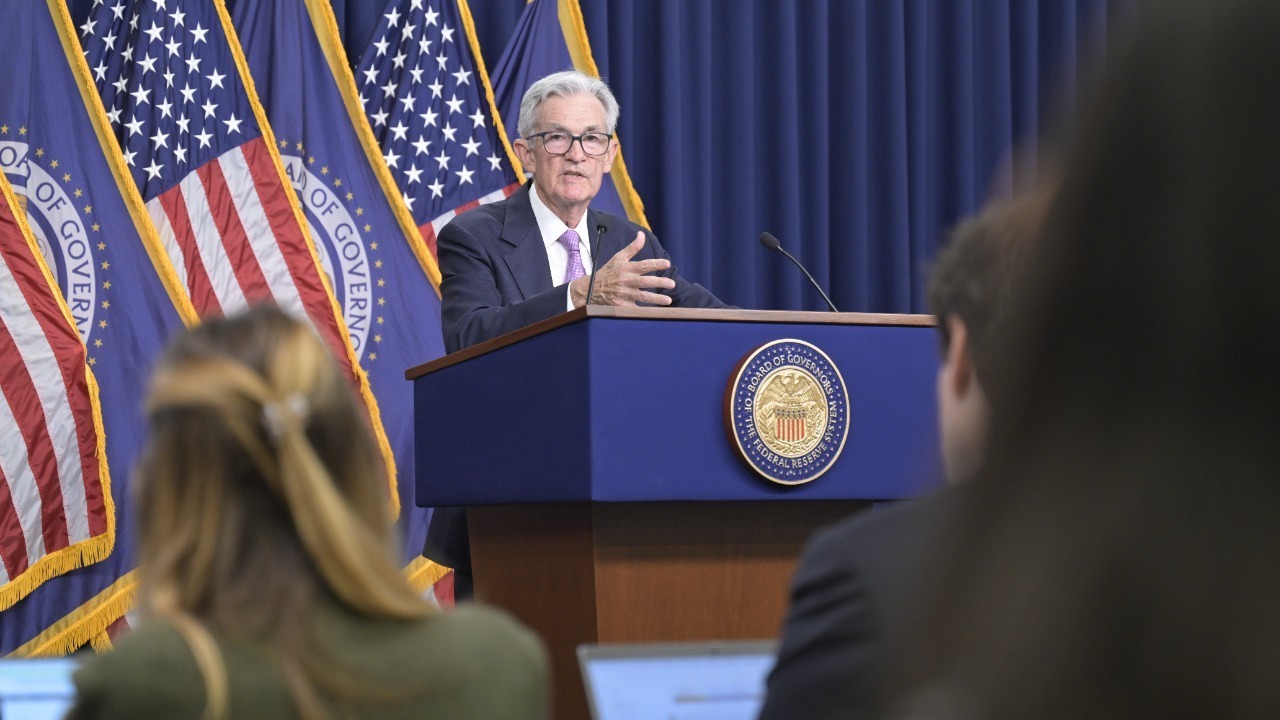
Behind the market drama sits a central bank boxed in by politics and macroeconomic crosswinds. The Federal Reserve is widely expected to keep rates unchanged at its upcoming meeting, even as President Trump publicly presses for aggressive cuts, a clash that has turned routine policy debates into a test of institutional independence. Federal Reserve Chair Jerome Powell is trying to pivot the conversation back to economic fundamentals, but the tug of war between the White House and the Fed has made every signal, including the recent rate check, feel more charged than usual, as Federal Reserve Chair and his colleagues navigate By Associated Press scrutiny.
Investors are also contending with a broader sense that U.S. policy is becoming less predictable, from tariffs to budget brinkmanship. The US Fed is expected to hold interest rates steady despite Trump’s pressure to slash them, a stance that some see as a bulwark for credibility but others fear could collide with slowing growth and rising political risk, eroding two traditional pillars of U.S. assets’ solidity, as The US Fed and Trump’s standoff illustrates. When markets start to doubt both the direction of policy and the political environment around it, they tend to seek refuge in assets that sit outside the domestic policy machine.
Gold’s record-breaking surge
That search for safety has propelled gold into uncharted territory. The price of the metal has smashed through the $5,000 mark, with one report noting that the price of gold surged to a new record, over $5,100, as haven demand overwhelmed sellers and pushed futures and spot markets higher in tandem, according to Jan and Fed watchers. Live market data show the Gold Spot Price as of January trading around $5,110.77 USD per ounce, underscoring how quickly the metal has repriced as investors reassess the risks in currencies and bonds, a move captured in Gold Spot Price feeds.
Futures markets are echoing that strength. Gold futures open today, Jan. 27, at $5,111.60 per per troy ounce, with $5,111.60 marking a new reference point for traders who only months ago were debating whether $3,000 was realistic, according to Gold price screens. For retail and institutional buyers alike, platforms that track live bullion prices in real time, such as gold price dashboards and JM Bullion charts, have become essential tools for navigating intraday swings that can now span hundreds of dollars.
Safe-haven stampede and global reserve shifts
The move into gold is not just a knee-jerk reaction to a wobbly dollar, it is part of a deeper reallocation of capital. Central bank buying and haven demand have played a central role, with gold overtaking Treasuries in global reserve allocations based on some measures, a striking reversal that signals how reserve managers are diversifying away from U.S. government debt, as Central bank flows show. For private investors, the calculus is similar: if the dollar is weakening and real yields on Treasuries are compressed, holding a non-yielding asset like gold suddenly looks less like a sacrifice and more like an insurance policy.
That mindset is reinforced by a drumbeat of geopolitical and domestic risks. Investors nervous about geopolitics, tariff threats and domestic U.S. budgetary issues flocked to buy gold Monday, pushing prices to fresh highs as they weighed the possibility of a government shutdown next week and other flashpoints that could hit growth, a pattern that DAVID and GRAY attribute to Investors seeking shelter. In that environment, bullion vaults and ETFs are not just portfolio diversifiers, they are political risk hedges, a role that becomes more prominent every time Washington flirts with fiscal brinkmanship.
Retail investors, data feeds and what comes next
The current gold rush is also being shaped by how easily individuals can now track and trade precious metals. Investors treat the precious metal as a safe haven asset, and as prices shatter the USD5k record, more retail traders are turning to apps and online brokers that stream real-time charts, a trend highlighted by Niv Bavarsky and BySam Klebanov, who note that some buyers see the surge as a warning that stocks might be overvalued, as Investors reposition. Services that aggregate market data, such as Google Finance, have made it easier for non-professionals to monitor moves in currencies, commodities and indexes side by side, compressing the lag between institutional and retail reactions to shocks like the Fed’s rate check.
Behind those sleek interfaces sit specialized bullion platforms that have become reference points in their own right. Sites that list live gold prices and silver prices as well as historical data, with All prices updated in real time on web and mobile, such as APMEX, and tools like BullionVault’s Gold Price Chart, which tracks the Gold Price Last Week and Curren levels in multiple currencies including Canadian dollars at C$6,919.16, give traders granular visibility into global demand. Educational hubs that explain how to use JM Bullion and other sites to follow real-time prices and changes, with Bullion noting that They also show how Another website like Investing.com can complement those feeds, as outlined in Bullion guides, are helping a new generation of investors understand what a move like this means for their portfolios.
For now, the key question is whether the Fed can restore confidence without triggering more volatility. If the central bank sticks to its signal of keeping rates unchanged while quietly stepping back from experimental tactics like the recent rate check, the dollar could stabilize and some of the froth might come out of gold. But as long as policy communication misfires, political pressure from Trump keeps the Fed on the defensive, and global investors see better protection in a bar of metal than in a Treasury bond, the odd episode that started with a technical query about rates may be remembered as the moment the world’s faith in the dollar met its most serious challenge in years.
More From TheDailyOverview
*This article was researched with the help of AI, with human editors creating the final content.

Grant Mercer covers market dynamics, business trends, and the economic forces driving growth across industries. His analysis connects macro movements with real-world implications for investors, entrepreneurs, and professionals. Through his work at The Daily Overview, Grant helps readers understand how markets function and where opportunities may emerge.

