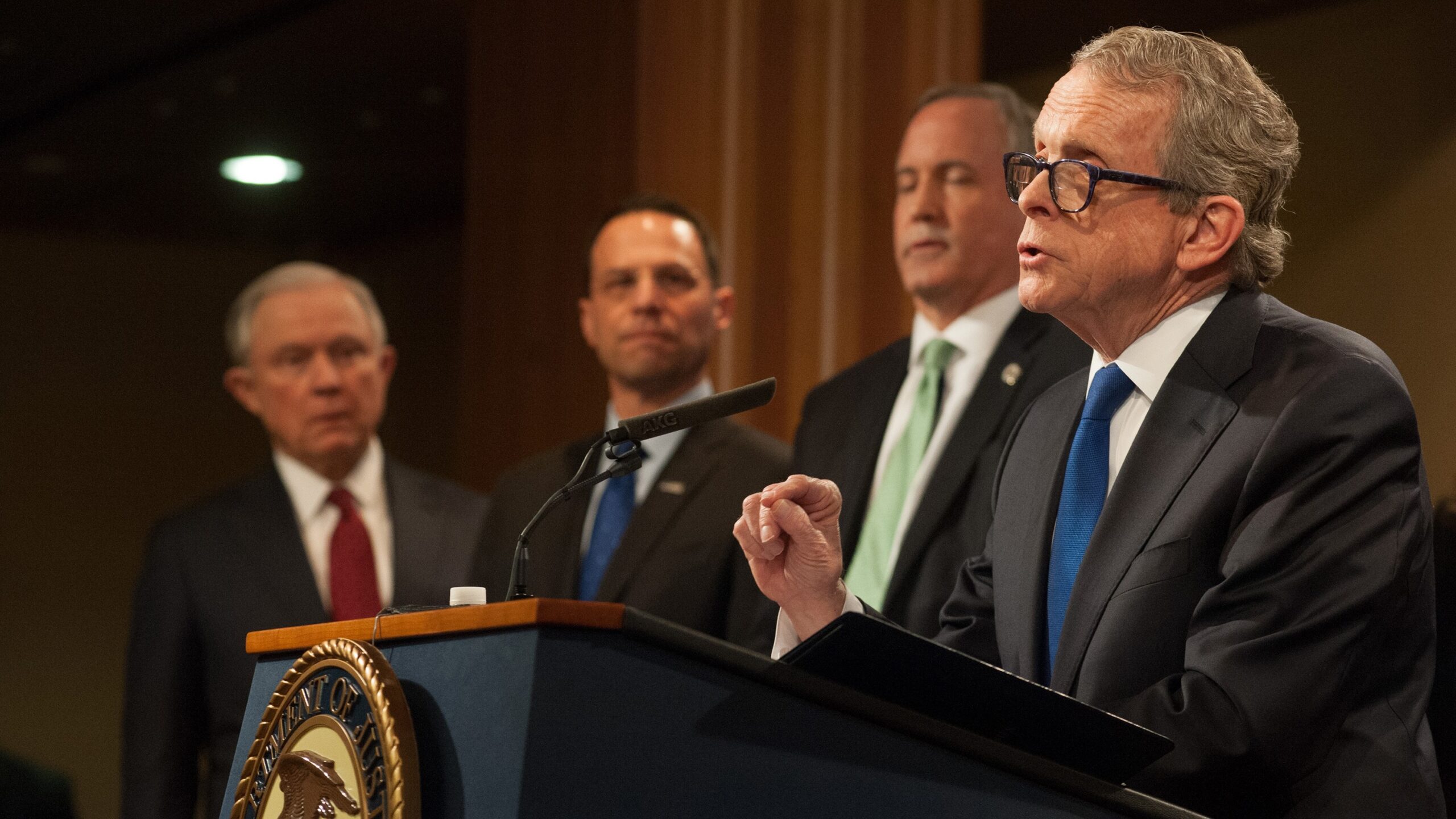
Ohio Governor Mike DeWine has warned that a proposed constitutional amendment to eliminate property taxes statewide could lead to a dramatic increase in the state sales tax to cover the resulting revenue gap. The warning follows a formal step forward for the ballot initiative: Ohio Attorney General Dave Yost accepted the petition title and summary for the measure, officially titled “Abolishment of Taxes on Real Property.” With the proposal now entering the ballot qualification process, the fight over how Ohio funds its schools, libraries, and local services has entered a new and contentious phase.
Attorney General Clears Petition for Next Step
The ballot initiative cleared its first procedural hurdle when the Ohio Attorney General accepted the petition title and summary for the proposed constitutional amendment. That acceptance does not signal endorsement of the measure’s substance. Instead, it certifies that the petition language meets the state’s formal requirements for circulation, allowing organizers to begin collecting voter signatures and launch a full-fledged campaign.
The next procedural gate is review by the Ohio Ballot Board, which will examine whether the amendment contains a single subject or multiple issues that should be separated. If the Ballot Board approves the language, organizers must then meet signature thresholds and county distribution requirements set by Ohio law before the question can appear on a statewide ballot. Each of those steps presents a potential chokepoint, but the Attorney General’s acceptance allows the campaign to begin gathering signatures, test messaging, and build public momentum ahead of what could become one of the most consequential tax debates in recent state history.
What the Amendment Would Actually Do
The proposed amendment would prohibit taxes on real property across Ohio by writing that ban directly into the state constitution. If voters approved it, every county, municipality, school district, and special taxing authority that currently relies on property tax revenue would lose that funding stream entirely. Property taxes in Ohio fund a wide range of public services, from K–12 education and public libraries to fire departments, emergency medical services, and county road maintenance, meaning the change would reverberate through nearly every local budget.
The scope of the proposal is what separates it from more modest property tax relief measures that states have considered in recent years. Rather than capping assessment increases or offering targeted exemptions for seniors or veterans, this amendment would eliminate the tax category altogether. That all-or-nothing approach has drawn passionate grassroots support from homeowners frustrated by rising assessments and complex levy ballots, but it has also triggered sharp pushback from local officials who depend on property tax collections to balance their budgets and maintain long-term financial planning.
DeWine’s Sales Tax Warning and the Revenue Math
Governor DeWine’s central argument against the initiative rests on a straightforward fiscal reality: property taxes generate billions of dollars annually for Ohio’s local governments, and that money would need to come from somewhere. DeWine has cautioned that eliminating property taxes could unleash a large sales tax spike, arguing that the sales tax is among the most readily available alternative revenue mechanisms at the state level. Ohio’s current sales tax structure would face a major new burden if property taxes vanished, and the governor has suggested the resulting rate increase would hit everyday consumers hard at the register.
That framing shifts the debate from a simple question of property tax relief to a broader calculation about who bears the cost. Property taxes are based on assessed home and land values, meaning wealthier property owners generally pay more, especially those with higher-value residences or commercial holdings. Sales taxes, by contrast, apply uniformly to purchases regardless of income. Economists have long noted that sales taxes take a larger share of income from lower-earning households, who spend a higher percentage of their pay on taxable goods. A significant sales tax increase to replace lost property tax revenue could therefore shift more of the overall tax burden toward households that spend a larger share of their income on taxable purchases, including many renters and lower-income residents.
Local Officials Sound the Alarm
Some county auditors and local government leaders have raised pointed concerns about the amendment’s practical consequences. The Belmont County Auditor’s office published an analysis warning about the hidden costs of eliminating property taxes, noting that the ballot measure would strip away the revenue that local entities currently receive from property taxes without specifying how those funds would be replaced. Without a clear replacement mechanism written into the amendment itself, local officials argue they would be left scrambling to maintain basic services or would be forced to seek new levies through other channels, each requiring its own voter approval and campaign effort.
School districts face an especially acute risk. In many Ohio communities, property tax levies account for the single largest share of local education funding, supporting everything from classroom teachers and bus routes to special education services and extracurricular programs. Eliminating that base would either require the state legislature to backfill the gap through increased state appropriations or leave districts to pursue operating levies tied to income or sales taxes. Either path introduces uncertainty, delays, and political friction. Supporters of the amendment counter that property taxes have become an unfair burden on homeowners, particularly in areas where reassessments have driven bills sharply higher in recent years, and they argue that forcing the state to rethink its tax mix could ultimately yield a fairer system. But critics note that the amendment text does not specify any replacement funding source, leaving that question entirely to future legislative action and creating the possibility of prolonged funding shortfalls while policymakers debate alternatives.
The Road Ahead for the Ballot Drive
With the Attorney General’s acceptance in hand, the campaign enters its most demanding phase: collecting enough valid signatures across enough counties to qualify for the ballot. Ohio’s constitutional amendment process requires petitioners to meet both a statewide signature threshold and a county distribution requirement, ensuring that support is geographically broad rather than concentrated in a few population centers. That dual requirement has historically been a significant barrier for ballot initiatives, and many campaigns that clear the initial procedural steps ultimately fall short during signature collection because they lack the resources or organizing capacity to sustain a statewide push.
The political environment, however, may favor this particular effort. Rising home values across much of Ohio have pushed property tax bills higher, and frustration with reassessment cycles has been a recurring theme at town halls and county auditor offices. Organizers are betting that voter anger over those increases will translate into signatures and, eventually, votes. The question is whether that anger will hold once voters weigh the tradeoffs that DeWine and local officials have outlined, particularly the prospect of paying significantly more every time they buy groceries, clothing, or household goods. Ohio is not the first state to see a property tax abolition movement gain traction, and the outcome will likely hinge on whether supporters can keep the focus on relief for homeowners while opponents highlight the risks to schools, safety services, and the broader tax structure in the months ahead.
More From The Daily Overview
*This article was researched with the help of AI, with human editors creating the final content.

Grant Mercer covers market dynamics, business trends, and the economic forces driving growth across industries. His analysis connects macro movements with real-world implications for investors, entrepreneurs, and professionals. Through his work at The Daily Overview, Grant helps readers understand how markets function and where opportunities may emerge.

