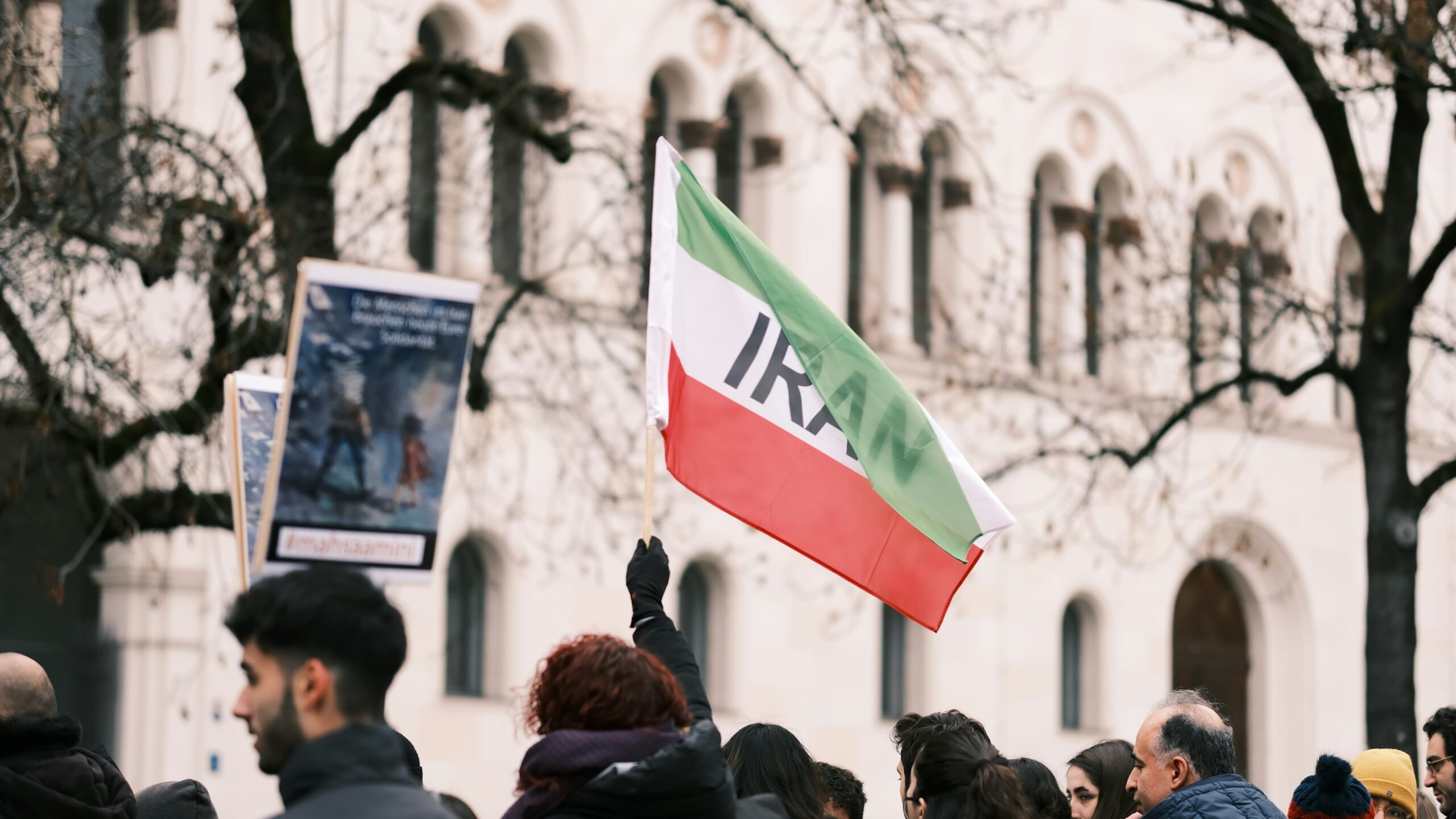
Oil is back in the geopolitical danger zone. Benchmark prices have jumped to a six month high as traders rapidly price in the risk that the United States could launch strikes on Iran, turning a tense standoff into a direct confrontation. The move has revived fears of a supply shock at a moment when global growth is already fragile and inflation is only just retreating in major economies.
I see a market that is no longer treating war talk as background noise. From crude futures to energy stocks, positioning now reflects a concrete scenario in which military action disrupts flows from one of the world’s most strategically vital oil producers and from the shipping lanes that surround it.
Traders race to price in a U.S.–Iran clash
The immediate trigger for the latest spike has been a sharp repricing in crude futures as investors respond to increasingly explicit signals of potential U.S. military action. Contracts tied to Jan delivery have climbed to their highest levels since the summer, with Crude futures gaining as traders bet that a U.S. strike on Iran is no longer a tail risk but a live possibility. That repricing has been reinforced by a broader rally in commodities, as expectations of looser financial conditions and stronger demand intersect with a sudden geopolitical shock.
Spot benchmarks have followed futures higher. The price of Oil has surged to a six month high as markets react to the prospect of a U.S. attack on Iran, a move that would directly threaten exports from one of OPEC’s most important producers. In parallel, reports that Iran issued a warning about potential retaliation have added to the sense that the confrontation is entering a more dangerous phase, further justifying the risk premium traders are now willing to pay.
Trump’s threats, warships, and Tehran’s refusal to bend
The geopolitical backdrop behind the price action is unusually stark. President Trump has publicly threatened Iran with military force and is reported to be weighing raids by troops on Iranian facilities, with a potential directive expected once U.S. military assets reach the region in full. At the same time, he has confirmed that there are talks with Tehran, creating a volatile mix of coercive diplomacy and explicit threats that markets interpret as a high risk of miscalculation.
Washington is backing its rhetoric with hardware. The United States has deployed Ten US warships, including a nuclear powered aircraft carrier, to the Middle East as Trump demands a new nuclear deal with Iran, signaling that the Pentagon is preparing for both deterrence and potential offensive operations. On the other side, Iran Says It Negotiate With the United States While Under Threat, making clear that Tehran will not enter direct talks so long as it faces explicit military pressure. That hard line removes one of the few off ramps that might have calmed energy markets.
Brent at $70 and the biggest monthly gain in years
The most visible barometer of these tensions is Brent, the global benchmark that anchors much of the world’s physical crude trade. Over the past week, Brent crude jumped above $70 per barrel for the first time since mid year, a level that traders often treat as a psychological line between a comfortable market and one that is starting to overheat. Another report on Brent Breaks After Trump Threatens Iran With Military Force underscores how directly presidential rhetoric is feeding into benchmark prices.
The move is not just a blip. Brent prices touched the $70 per barrel mark on Thursday and are on track for the largest monthly gain in years as traders position around potential U.S. strikes on Iran. That surge has been mirrored in other gauges, with Brent hovering near $70 even as Wall Street sells off, a sign that energy is decoupling from broader risk assets. For portfolio managers, that divergence is a reminder that crude can behave as both a hedge and a source of volatility when geopolitics intrude.
Market wagers, data screens, and the six month high
Behind the headline numbers is a rapid shift in speculative positioning. According to one account, Oil prices have surged nearly 5% as the market wagers that a U.S. strike on Iran is imminent, with Global benchmarks settling at a six month high. That kind of single day move reflects not just hedging by airlines and refiners but also a rush by macro funds to capture upside in case the conflict escalates into a broader regional disruption.
For anyone watching screens, the story is clear. Real time feeds such as Google Finance show benchmark contracts grinding higher as each new headline about Iran, Trump, or U.S. deployments hits the tape. At the same time, Wall Street has been under pressure, with equity indices sliding even as energy names outperform, a classic pattern when investors fear that higher fuel costs will squeeze consumers and corporate margins.
Why a strike on Iran would hit supply so hard
The reason markets are so sensitive to this confrontation is that Iran sits at the heart of the global oil system. The country exports significant volumes of crude and condensate, and any U.S. strike that damaged infrastructure or prompted Tehran to retaliate against shipping would immediately threaten those flows. Analysts quoted in coverage of the latest spike in Oil prices have warned that a military conflict could endanger the millions of barrels per day that move through nearby chokepoints, a scenario that would quickly ripple through gasoline, diesel, and jet fuel markets.
The stakes are amplified by the fact that the current rally is already on track to deliver the biggest monthly gain in years for Oil. With Brent anchored around $70 and traders braced for further escalation, even a limited strike could push benchmarks well above that level, forcing central banks to reassess their inflation outlooks and governments to consider tapping strategic reserves. For now, the market is trading on probability rather than fact, but as long as Trump’s threats continue and Iran refuses to negotiate While Under Threat, the risk premium embedded in every barrel is unlikely to fade.
More From TheDailyOverview
*This article was researched with the help of AI, with human editors creating the final content.

Grant Mercer covers market dynamics, business trends, and the economic forces driving growth across industries. His analysis connects macro movements with real-world implications for investors, entrepreneurs, and professionals. Through his work at The Daily Overview, Grant helps readers understand how markets function and where opportunities may emerge.

