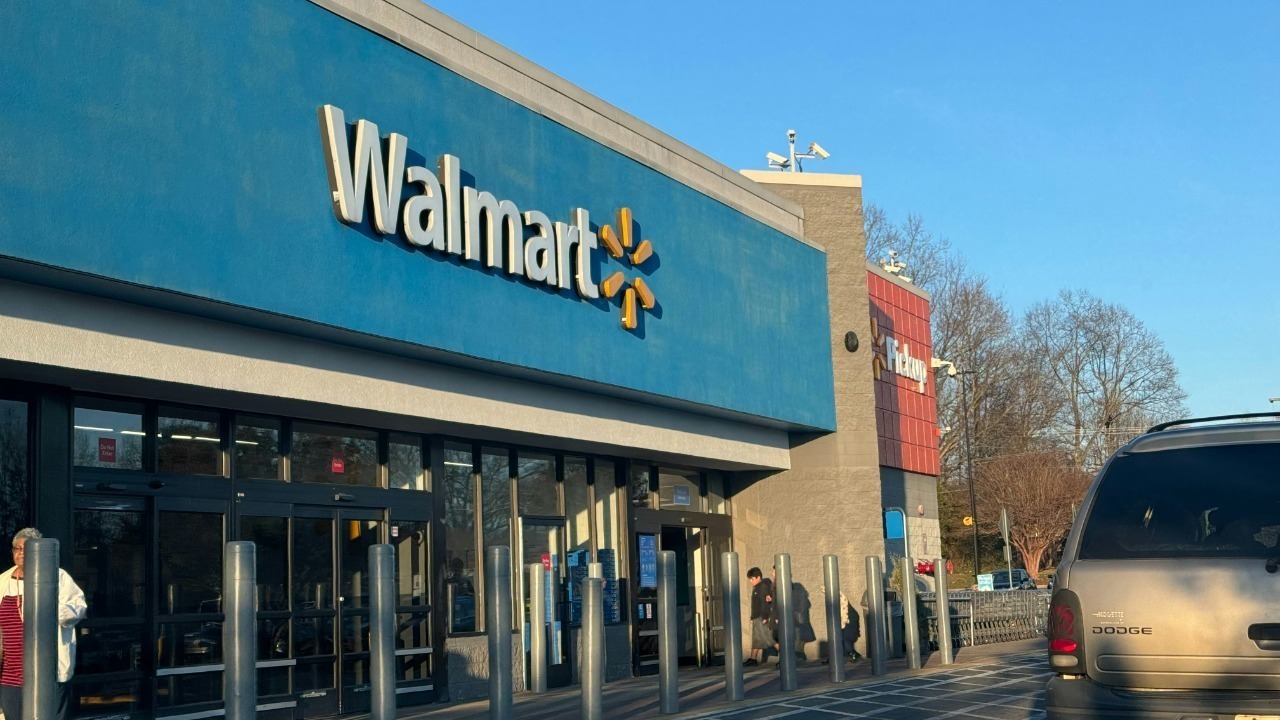
Inflation is supposed to be the great leveler, but in the aisles of Walmart it is sorting shoppers into winners and losers. As everyday customers stretch paychecks to cover rent and groceries, the retailer is quietly turning into a destination for households that once treated it as a last resort. The result is a company thriving on the very affordability crisis that is squeezing much of its traditional base.
That shift is reshaping everything from Walmart’s product mix to its stock price, and it is forcing a blunt question about the American consumer economy: what happens when the country’s biggest discounter leans harder into wealthier shoppers just as everyone else is running out of room in their budgets?
The affordability crunch reaches the top of the income ladder
For years, inflation was framed as a problem for low and middle income families, but the pattern of spending now shows that higher earners are feeling the pinch as well. Housing, health care and transportation costs have climbed fast enough that even six figure households are trading down on basics, looking for cheaper paper towels, pantry staples and kids’ clothes. That pressure is visible in retail earnings, where companies that promise rock bottom prices, including Walmart and dollar store chains, are outperforming peers that rely on discretionary splurges, a sign that the affordability crisis is no longer confined to the bottom of the ladder, as detailed in reporting on how Affordability Crisis Is.
That same analysis shows that the squeeze on affluent shoppers is not just about groceries, it is about the entire cost structure of modern life. When private school tuition, suburban mortgages and premium car leases all rise at once, even high earners start hunting for savings in the weekly shop. In that environment, Walmart’s promise of lower prices on everything from detergent to denim becomes newly attractive to people who might previously have split their spending between upscale grocers and department stores, a trend that helps explain why Wealthier shoppers are now a meaningful driver of its sales growth.
Inside Walmart’s quiet gentrification
Walmart has spent years signaling that its customer base is changing, and the data now backs that up. Executives have acknowledged that higher income households are joining its shopper mix at elevated rates, and that the company is serving more affluent customers than it has historically. That shift has been described as a kind of gentrification of the chain, with more shoppers who might once have defaulted to warehouse clubs or specialty grocers now filling carts at Walmart.
That evolution is not accidental. The retailer has upgraded store layouts, expanded fresh food and private label offerings and leaned into online ordering and curbside pickup that appeal to time pressed professionals. At the same time, it has kept its reputation for value intact, a combination that makes it easier for a lawyer or software engineer to justify swapping a higher priced supermarket for a weekly run to the big box. A separate analysis of the chain’s pricing strategy notes that for years Walmart has hinted at this shift, and 2025’s numbers suggest that the hints have become reality.
How Walmart won over wealthy shoppers
Winning over affluent customers required more than low prices, it demanded a rethinking of what shopping at Walmart feels like. The company has invested heavily in its app and website, making it easier for higher income shoppers to place large online orders and have them delivered or loaded into their trunks without ever stepping into a fluorescent lit aisle. It has also broadened its assortment of premium and exclusive brands, so that a family can buy organic pantry staples, mid tier electronics and inexpensive bath towels in a single digital basket, a strategy that helps explain how How Walmart has become more attractive to those shoppers.
At the same time, the company has been careful not to alienate its traditional base. It still promotes rock bottom prices on staples and continues to highlight rollbacks on items like denim and household basics that matter most to budget constrained families. Yet the mix of who is buying those items is changing, with more affluent households now hunting for the same deals, a dynamic captured in reporting that notes Yet the discounter is drawing wealthier shoppers even as it remains known for penny pinchers.
Inflation pain for some, stock market gain for others
While many shoppers feel battered by rising prices, investors in Walmart are seeing a different story. The company’s shares have climbed into the triple digits, and a recent Stock Snapshot shows just how strong that performance has been. As of that snapshot, As of today, Walmart (WMT) shares are valued at $117.35, and during the past year, Walmart (WMT) stock moved between $79 and its recent peak, a range that underscores how investors have rewarded its ability to capture spending from both cash strapped and affluent households.
The earnings picture tells a similar story of resilience. In its most recent quarterly report, the company delivered an EPS figure that beat expectations, with the Walmart Earnings Summary highlighting that Walmart reported an EPS of $0.62 for its third quarter. That kind of steady profit growth in a choppy consumer environment has made the stock a relative safe haven, and it has also drawn attention from analysts who see the company as a bellwether for how much financial stress households can absorb before they pull back on spending.
Wall Street’s verdict on Walmart’s new customer mix
Analysts tracking Walmart’s shares have taken note of how its performance stacks up against the broader consumer staples sector. Narrowing the focus to recent months, the retail giant’s stock has outpaced a key benchmark, with one assessment pointing out that it has beaten the State Street Consumer Staples Select Sector SPDR ETF’s (XLP) 3.9 percent gain, a comparison that underscores how investors view its strategy as superior to many peers, as captured in the phrase Narrowing the focus on that comparison.
Part of that optimism rests on the belief that Walmart can keep gaining market share from rivals as more affluent shoppers trade down. Executives have said the company is drawing more online sales from higher income segments and that its market share is rising in categories like inexpensive bath towels and denim, a trend that has been linked directly to the influx of Wealthier shoppers. For Wall Street, that combination of digital growth and demographic expansion is a powerful story, one that suggests the retailer can keep delivering earnings growth even if the broader economy slows.
More From TheDailyOverview
*This article was researched with the help of AI, with human editors creating the final content.

Grant Mercer covers market dynamics, business trends, and the economic forces driving growth across industries. His analysis connects macro movements with real-world implications for investors, entrepreneurs, and professionals. Through his work at The Daily Overview, Grant helps readers understand how markets function and where opportunities may emerge.

