
High earners aged 50 and older are poised to lose a significant 401(k) tax break that currently allows them to make pre-tax catch-up contributions. This change, effective in 2026, will impact individuals earning above certain income thresholds who have benefited from the ability to shelter additional retirement savings from taxes. As part of broader retirement policy updates, this rule shift will remove a key advantage for high-income workers nearing retirement, affecting their financial planning strategies.
Understanding the Current 401(k) Catch-Up Provision
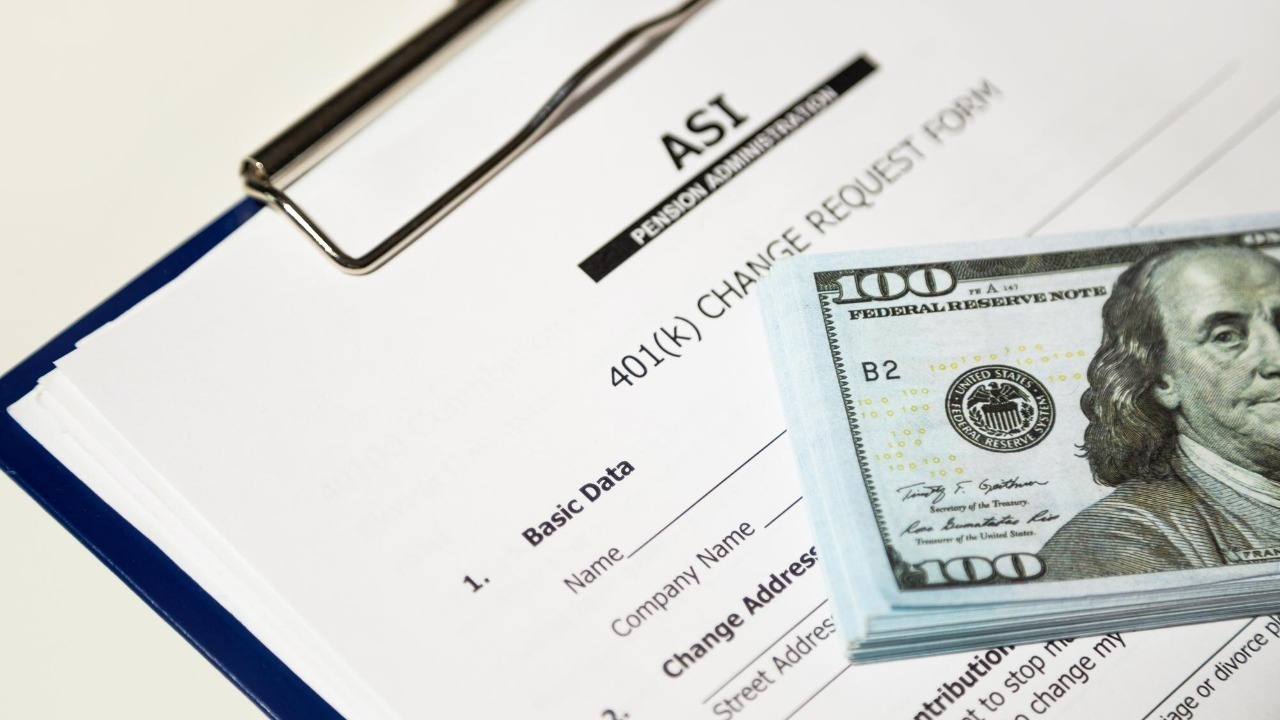
The existing 401(k) catch-up provision allows workers aged 50 and older to make additional contributions to their retirement plans on a pre-tax basis, exceeding the standard annual limit. This rule has been particularly beneficial for high earners, enabling them to defer taxes on extra savings and providing a crucial boost to their retirement funds. According to Financial Planning, these catch-up contributions have been a strategic tool for maximizing tax-deferred growth, allowing older workers to significantly enhance their retirement savings.
For example, if the standard 401(k) contribution limit is $22,500, those aged 50 and older can contribute an additional $7,500 as a catch-up, bringing their total to $30,000. This integration of catch-up amounts with overall 401(k) limits has been instrumental in helping older workers maximize their retirement savings potential. As reported by The Wall Street Journal, this tax break has been a vital component of retirement planning for high-income individuals.
Who Qualifies as a High Earner Under the New Rules

Under the new rules set to take effect in 2026, high earners are identified as those with compensation exceeding $145,000 annually. These individuals will no longer have access to the pre-tax catch-up option, marking a significant shift in retirement savings strategies for this demographic. Financial Planning highlights that this change specifically impacts individuals aged 50 and older within this income bracket, effectively ending their major 401(k) tax break.
The rule differentiates “certain earners” based on income levels, focusing on those above the threshold who will lose this perk. As noted by Fox Business, this adjustment will require affected individuals to reassess their retirement savings plans, as the ability to defer taxes on additional contributions will no longer be available.
Timeline and Reasons for the 2026 Change

The elimination of the tax break for high earners over 50 is part of the Secure 2.0 Act implementation adjustments, set to take effect in 2026. This policy shift aims to transition catch-up contributions to Roth (after-tax) status for high earners, thereby reducing the pre-tax benefits previously enjoyed. According to Money, this change reflects a broader intent to modify retirement savings incentives.
The original target for this transition was 2024, but regulatory extensions have delayed its implementation to 2026. This delay provides a window for older workers to adjust their financial planning strategies accordingly. As reported by The Wall Street Journal, this extension affects planning for those nearing retirement, necessitating a reevaluation of savings strategies.
This legislative change is part of a broader effort to streamline retirement savings incentives and address fiscal concerns associated with tax deferrals. The Secure 2.0 Act, which encompasses this change, aims to encourage more equitable retirement savings practices, ensuring that tax benefits are distributed more evenly across different income groups. As noted by Money, the shift to Roth contributions for high earners is intended to increase tax revenue in the short term, as Roth contributions are taxed upfront, unlike traditional pre-tax contributions.
Additionally, the delay to 2026 allows both employers and employees ample time to adjust to the new requirements. This transition period is crucial for plan administrators to update systems and for individuals to reassess their financial strategies. The Wall Street Journal highlights that this adjustment period is necessary to ensure a smooth transition and to minimize disruption for those affected by the changes. The phased approach reflects a recognition of the complexities involved in overhauling retirement savings mechanisms.
Financial Impact on Retirement Planning

The loss of the pre-tax catch-up perk will increase taxable income for high earners aged 50 and older who contribute extra to their 401(k)s starting in 2026. This change could lead to a reduction in retirement savings growth, as the tax advantages previously available will no longer apply. Fox Business notes that this shift will require affected individuals to explore alternative savings strategies to maintain their retirement goals.
One such alternative is the mandatory transition to Roth catch-ups for high earners, which, while offering no upfront tax deduction, still provides tax-free growth and withdrawals in retirement. As highlighted by The Express, this change necessitates a careful evaluation of retirement planning strategies to mitigate the impact of losing this significant tax break.
Strategies to Maximize Benefits Before 2026

High earners aged 50 and older are advised to front-load their pre-tax catch-up contributions in 2025 to take full advantage of the current tax break before it ends. This strategy can help preserve the tax benefits for one more year, providing a buffer as they transition to the new rules. The Wall Street Journal suggests reviewing income levels now to confirm eligibility for the disappearing 401(k) perk and adjusting savings plans accordingly.
Consulting with financial advisors on transitioning to after-tax options post-2025 is also recommended to mitigate the loss of this major tax break. As noted by Fox Business, this proactive approach can help high earners navigate the upcoming changes and optimize their retirement savings strategies.
In addition to front-loading contributions, high earners should consider diversifying their retirement savings strategies to include other tax-advantaged accounts, such as Health Savings Accounts (HSAs) and Individual Retirement Accounts (IRAs), which can offer additional tax benefits and savings opportunities. As suggested by Fox Business, exploring these options can provide a more comprehensive approach to retirement planning, helping to offset the loss of the pre-tax catch-up benefit.
Furthermore, individuals should evaluate their overall investment strategies to ensure they are aligned with their long-term retirement goals. This might involve reassessing asset allocations, considering the potential for increased taxable income, and adjusting investment portfolios accordingly. Consulting with a financial advisor can provide personalized insights and strategies tailored to individual circumstances, ensuring that high earners can continue to build robust retirement savings despite the upcoming changes.

Nathaniel Cross focuses on retirement planning, employer benefits, and long-term income security. His writing covers pensions, social programs, investment vehicles, and strategies designed to protect financial independence later in life. At The Daily Overview, Nathaniel provides practical insight to help readers plan with confidence and foresight.