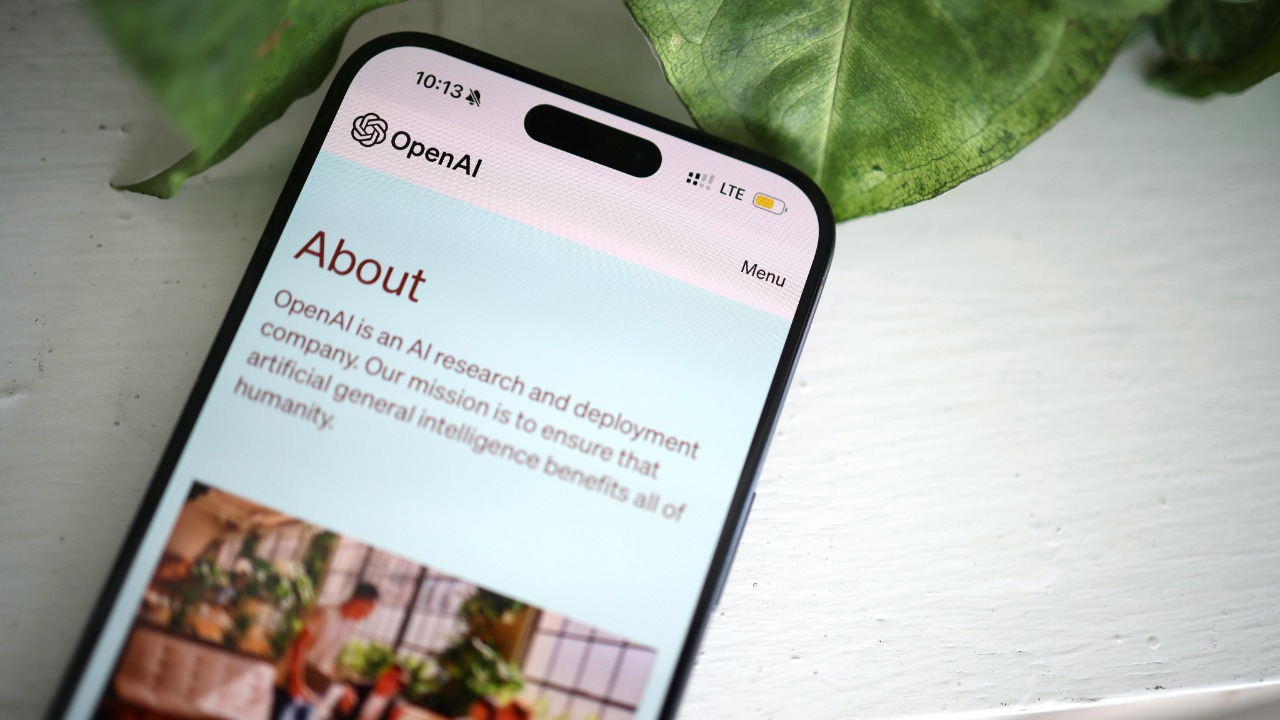
A pivotal clause in the longstanding partnership agreement between Microsoft and OpenAI could dramatically accelerate Microsoft’s AI-driven revenue growth, potentially unlocking billions in new income from AI integrations across its product ecosystem. This provision, highlighted in recent analysis, allows Microsoft exclusive commercial rights to OpenAI’s core technologies, positioning the tech giant to monetize AI at an unprecedented scale without direct competition from OpenAI in certain markets. As of the latest reporting on November 7, 2025, this detail underscores a strategic edge for Microsoft amid intensifying AI investments.
The Microsoft-OpenAI Partnership Foundations
The collaboration between Microsoft and OpenAI began in 2019 with a significant $1 billion investment from Microsoft, which later expanded to a commitment of up to $13 billion. This partnership granted Microsoft preferred access to OpenAI’s advanced models, such as GPT, for integration into its Azure cloud services. The financial structure of the pact includes a profit-sharing mechanism, where Microsoft receives a portion of OpenAI’s commercialization revenues once initial costs are covered. This strategic alignment has already borne fruit, as evidenced by the successful rollout of ChatGPT Enterprise in 2023, powered by Azure. This initiative has significantly contributed to Microsoft’s AI revenue, which has surpassed $10 billion annually through Copilot subscriptions.
The partnership’s early successes underscore the potential of integrating OpenAI’s cutting-edge technologies into Microsoft’s expansive product suite. By embedding AI capabilities into its offerings, Microsoft has not only enhanced its product value but also positioned itself as a leader in the AI-driven transformation of enterprise solutions. The collaboration has set a precedent for how strategic partnerships can accelerate technological advancements and revenue growth in the tech industry.
Unpacking the Revenue-Supercharging Clause
A critical component of the Microsoft-OpenAI agreement is a clause that mandates OpenAI to offer Microsoft the first refusal on any new AI model deployments for enterprise use. This ensures that Microsoft’s Azure remains the primary hosting platform for these models, capturing a larger share of global AI workloads. This clause effectively prevents OpenAI from independently pursuing high-margin enterprise deals, thereby channeling potential revenue directly into Microsoft’s ecosystem through licensing fees and usage-based billing. Analysts estimate that this could funnel tens of billions of dollars into Microsoft’s coffers over the next decade.
The contractual language further requires OpenAI to prioritize Microsoft’s commercial roadmap, including integrations with Office 365 and Dynamics. This alignment could significantly amplify Microsoft’s AI service margins, potentially exceeding 70%. By securing exclusive rights to deploy OpenAI’s models, Microsoft can strategically enhance its product offerings, thereby increasing its competitive edge in the enterprise market. This clause not only strengthens Microsoft’s position but also sets a benchmark for how exclusivity in technology partnerships can drive substantial financial gains.
Impact on Microsoft’s Broader AI Strategy
This strategic clause aligns seamlessly with Microsoft’s broader AI strategy, which is deeply intertwined with its $100 billion-plus annual cloud revenue. AI enhancements via OpenAI technology have driven a remarkable 30% year-over-year growth in Azure AI services as of fiscal 2025. By leveraging OpenAI’s models, Microsoft can offer more sophisticated AI solutions, thereby attracting a wider range of enterprise clients and expanding its market share.
Moreover, Microsoft’s ability to bundle OpenAI models with its hardware, such as Surface devices and Xbox, opens new revenue streams from AI-infused consumer products. This integration not only enhances the user experience but also positions Microsoft as a leader in the consumer AI market. However, the partnership is not without risks. The agreement includes safeguards, such as Microsoft’s board observer role at OpenAI, allowing it to influence development directions that align with its revenue goals. This oversight ensures that the partnership remains mutually beneficial and strategically aligned.
Market and Investor Reactions
The market has responded positively to the clarifications of the Microsoft-OpenAI pact, with Microsoft’s stock rising 15% in the months following the announcement. This surge reflects investor confidence in Microsoft’s ability to achieve its AI revenue projections, which are expected to reach $50 billion by 2027. The exclusivity clause has fortified Microsoft’s position in the AI market, prompting competitors like Google and Amazon to accelerate their own AI investments in response.
Analysts project that the clause could add $200 billion to Microsoft’s market cap by enabling dominant AI monetization in sectors such as healthcare and finance. This potential growth underscores the transformative impact of strategic partnerships in the tech industry. By securing exclusive rights to OpenAI’s models, Microsoft has not only strengthened its competitive position but also set a new standard for how technology companies can leverage partnerships to drive innovation and financial success.
In conclusion, the strategic clause in the Microsoft-OpenAI partnership represents a significant opportunity for Microsoft to capitalize on the growing demand for AI solutions. By securing exclusive rights to OpenAI’s models, Microsoft is well-positioned to lead the AI revolution, driving substantial revenue growth and setting a new benchmark for technology partnerships. As the tech industry continues to evolve, Microsoft’s strategic foresight and investment in AI will likely serve as a model for other companies seeking to harness the power of AI to drive innovation and financial success.
For more detailed insights, you can read the full analysis on The Street.
More From TheDailyOverview
- Dave Ramsey warns to stop 401(k) contributions
- 11 night jobs you can do from home (not exciting but steady)
- Small U.S. cities ready to boom next
- 19 things boomers should never sell no matter what

Grant Mercer covers market dynamics, business trends, and the economic forces driving growth across industries. His analysis connects macro movements with real-world implications for investors, entrepreneurs, and professionals. Through his work at The Daily Overview, Grant helps readers understand how markets function and where opportunities may emerge.

