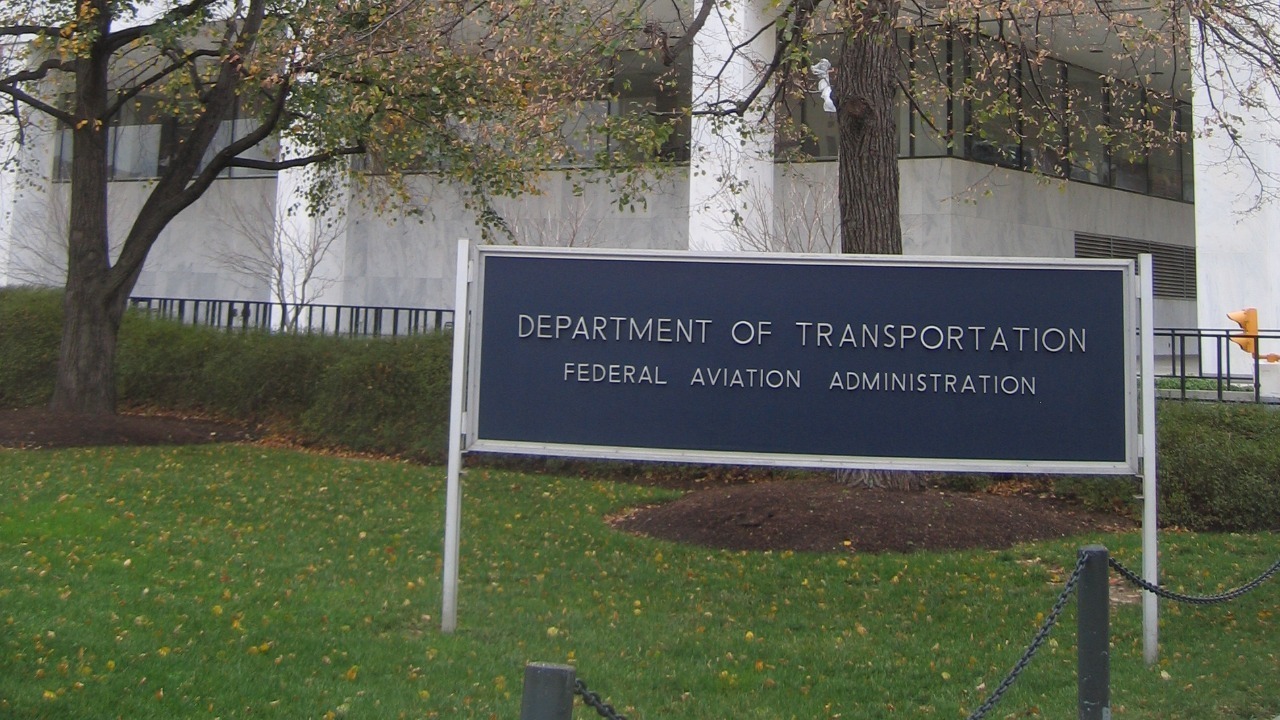
The Federal Aviation Administration set out to reward the workers who kept the air system running during the government shutdown, but a single attendance rule ended up excluding most of the people it was meant to recognize. Instead of a broad thank-you, the bonus program turned into a case study in how a rigid metric can override common sense and basic fairness. I want to unpack how one requirement, perfect attendance, cost thousands of air traffic controllers and technicians the bonuses they believed they had earned.
At the center of the controversy is a $10,000 payment that was framed as a patriotic reward for those who stayed on the job while paychecks were frozen. The idea sounded simple: show up, keep the skies safe, and the government would make it right later. In practice, the fine print meant that only a tiny fraction of the workforce qualified, while colleagues who also worked through the shutdown but had a sick child, a medical appointment, or a weather delay were left with nothing.
The promise of a $10,000 “patriot” payout
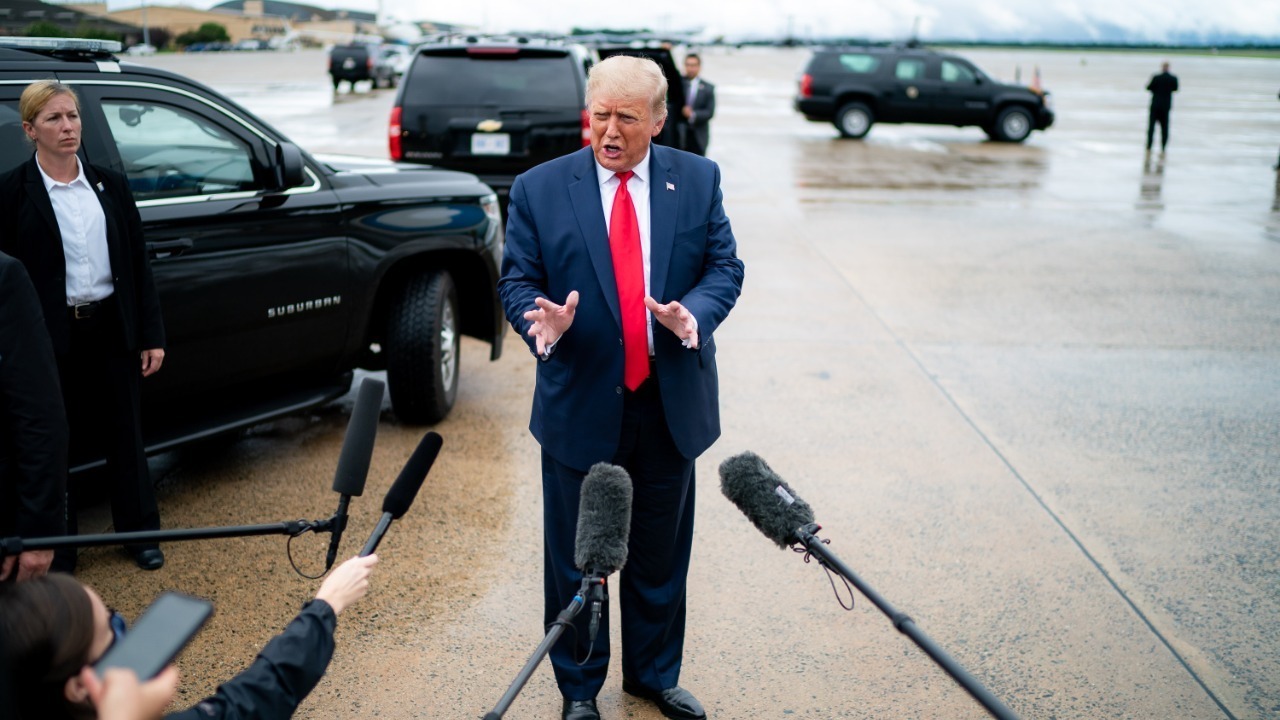
When President Trump backed a special shutdown bonus for aviation workers, the headline number did a lot of the talking. A one-time payment of $10,000 per person is life-changing money for many families, especially after weeks of uncertainty about when paychecks would resume. The message from the White House was that the people who kept flights moving during a political standoff deserved more than a thank-you note, and the Federal Aviation Administration was tasked with turning that sentiment into a concrete program.
On paper, the plan looked like a rare moment when Washington recognized the strain on front-line workers instead of just talking about it. The bonus was marketed as a patriotic reward, a way to honor those who had stayed in the tower or the radar room while the rest of the government argued. Yet the structure of the program, and especially the attendance rule at its core, meant that the promise of a $10,000 payout would be fulfilled for only a sliver of the workforce that actually kept the system running.
How a perfect-attendance rule rewrote the deal
The key decision that reshaped the bonus program was the Federal Aviation Administration’s choice to tie eligibility to flawless attendance during the shutdown. Instead of focusing on who worked without pay, the agency limited the reward to controllers and technicians who logged every scheduled shift without a single absence. According to one detailed account, the FAA gives $10K bonuses only to controllers and technicians with perfect attendance, a standard that instantly disqualified anyone who had to miss work for illness, family emergencies, or even unavoidable travel disruptions.
In practice, that rule turned a broad recognition program into a narrow attendance contest. Workers who had staffed critical positions for nearly the entire shutdown, but who missed a single day because of a medical issue or a childcare crisis, were treated the same as someone who had not worked at all. The agency’s choice to define merit as perfection, rather than sustained service under pressure, is what transformed a widely anticipated reward into a source of anger and division inside control rooms and maintenance shops.
Only 776 winners in a workforce of thousands
The scale of the exclusion is stark. Out of the many thousands of Federal Aviation Administration employees who kept the system operating during the shutdown, only 776 people ultimately qualified for the bonus. That figure covers both air traffic controllers and technicians, a tiny fraction of the workforce that reported for duty while paychecks were on hold and political negotiations dragged on. The number is not just a statistic, it is a measure of how narrowly the perfect-attendance rule was drawn.
For the thousands who did not make that cut, the message felt less like gratitude and more like a technicality used to save money. Many of those excluded had worked nearly every day of the shutdown, often under intense staffing pressure, only to learn that a single missed shift meant they would not see a cent of the reward. The fact that only Just 776 employees out of a much larger pool received the money has become a rallying point for unions and rank-and-file workers who argue that the program was designed in a way that guaranteed widespread disappointment.
Attendance, hardship, and the realities of shutdown life
Perfect attendance is an easy metric to write into a policy memo, but it ignores the messy realities of life during a government shutdown. Controllers and technicians were commuting without pay, juggling bills, and in some cases relying on savings or credit cards to get to work. Reports describe workers who struggled to afford gas or childcare yet still made it to their shifts, only to be tripped up by a single unavoidable absence that wiped out their eligibility for the bonus. One account notes that Nov and Your support for quality journalism helped surface stories of employees who literally could not afford to get to their shifts, a reminder that attendance is often shaped by economics, not just dedication.
By treating any absence as disqualifying, the Federal Aviation Administration effectively penalized workers for being human. A controller who stayed home with the flu, a technician who missed a shift because a snowstorm shut down the highway, or a parent who had to care for a sick child all found themselves on the wrong side of the rule. The policy did not distinguish between avoidable and unavoidable absences, or between someone who missed one day and someone who missed many. In a system that depends on people being honest about their health and fitness for duty, tying a large financial reward to never calling out sick sends a troubling signal about what the agency values.
Union outrage and the sense of a broken promise
From the perspective of organized labor, the bonus program quickly shifted from a welcome gesture to a symbol of how little control workers have over the rules that govern their pay. Union leaders have pointed out that thousands of their members worked through the shutdown, often under intense stress, yet were excluded from the reward because of a single absence or a scheduling technicality. The fact that only FAA employees met the standard has been cited as evidence that the program was never truly designed to reach the majority of those who kept the system running.
For many controllers, the emotional impact has been as significant as the financial one. They heard President Trump and aviation officials praise their professionalism during the shutdown, only to watch the actual reward go to a small subset of colleagues. That disconnect feeds a broader sense that promises made to front-line workers are often subject to fine print that they do not control. When a program framed as a patriotic thank-you ends up dividing crews into winners and losers based on a single rule, it is not surprising that trust in management erodes.
“Many United States” controllers push back
The backlash has not been limited to union statements or internal complaints. Many United States air traffic controllers have spoken out about the bonus structure, arguing that it glosses over deeper problems in their workplaces. For them, the issue is not just who did or did not get a check, but what the program reveals about how the Federal Aviation Administration views their sacrifices. They point to chronic staffing shortages, long overtime hours, and mounting fatigue as the real crises, and question whether a one-time payment tied to perfect attendance does anything to address those concerns.
Some controllers have gone further, rejecting the framing of the payment as a “patriot bonus” altogether. They argue that patriotism was already on display when they reported for duty without pay, kept aircraft separated, and managed emergencies with limited support. From that vantage point, a reward that only reaches a small minority feels less like recognition and more like a public relations exercise. Their criticism underscores a broader tension between symbolic gestures and structural change, and it highlights why a single attendance rule has become such a flashpoint.
Safety culture versus attendance incentives
There is also a safety dimension to tying large financial rewards to perfect attendance in a high-stakes environment. Air traffic control depends on people being rested, healthy, and mentally sharp, and the system relies on workers to remove themselves from duty if they are unwell or impaired. When a $10,000 payment is contingent on never missing a shift, it creates a powerful incentive to come to work sick or exhausted, even if that runs counter to safety best practices. The Federal Aviation Administration’s decision to structure the bonus this way has raised questions about whether the agency fully weighed those risks.
Critics argue that a more safety-conscious approach would have rewarded overall service during the shutdown, perhaps prorated by the number of days worked, rather than demanding perfection. That kind of structure would have recognized the reality that even the most dedicated controller may need to miss a day for legitimate reasons, without forcing them to choose between their health and a major financial reward. By centering the program on attendance alone, the agency sent a signal that showing up, no matter the circumstances, mattered more than the nuanced judgment that safety culture is supposed to encourage.
How the FAA is defending its decision
Publicly, the Federal Aviation Administration has framed the bonus criteria as a way to recognize those who went above and beyond during the shutdown. Officials have emphasized that the program was limited to controllers and technicians who maintained perfect attendance, arguing that this group bore a particular burden in keeping flights moving at some of the country’s busiest facilities. One report notes that the FAA gives bonuses only to controllers, technicians with perfect attendance and that the agency has not announced plans to penalize staff who did not qualify, a reminder that the program is framed as an extra, not a core part of compensation.
From a budgetary standpoint, limiting eligibility to a small group also kept the total cost of the program in check. Rewarding every controller and technician who worked during the shutdown would have multiplied the price tag many times over, a fact that likely weighed on decision makers even if it has not been emphasized publicly. The agency’s defense rests on the idea that any bonus is better than none, and that it is reasonable to set a high bar for a large payout. For workers who feel they were promised recognition for their service, however, that argument does little to soften the sting of being excluded by a single rule.
What this fight reveals about shutdown politics
The controversy over the bonus program is about more than one payment. It exposes how government shutdowns shift risk and hardship onto front-line workers, then rely on symbolic gestures to patch over the damage. Controllers and technicians kept the aviation system functioning while elected officials argued, and they did so knowing that a prolonged standoff could threaten their savings, their credit, and their families’ stability. When the eventual reward is structured in a way that leaves most of them out, it reinforces the sense that their sacrifices are negotiable in a way political brinkmanship is not.
It also highlights the limits of one-time payouts as a tool for addressing long-standing problems in critical infrastructure jobs. A $10,000 bonus, especially one that only reaches a small minority, does not fix staffing shortages, outdated equipment, or the stress that comes with working in a system that runs close to the edge even in normal times. The anger over the perfect-attendance rule is, in part, a proxy for those deeper frustrations. Until policymakers grapple with the structural issues that make shutdowns so punishing for essential workers, fights over who qualifies for a bonus will keep surfacing, and the people who guide aircraft through crowded skies will keep wondering whether anyone in power truly understands what their jobs demand.
More From TheDailyOverview
- Tennessee loses $2.6B megafactory and faces major layoffs
- Retired But Want To Work? Try These 18 Jobs for Seniors That Pay Weekly
- What to do with your pennies after the U.S. stops minting them
- Home Depot CEO warns of a troubling customer trend in stores

Grant Mercer covers market dynamics, business trends, and the economic forces driving growth across industries. His analysis connects macro movements with real-world implications for investors, entrepreneurs, and professionals. Through his work at The Daily Overview, Grant helps readers understand how markets function and where opportunities may emerge.