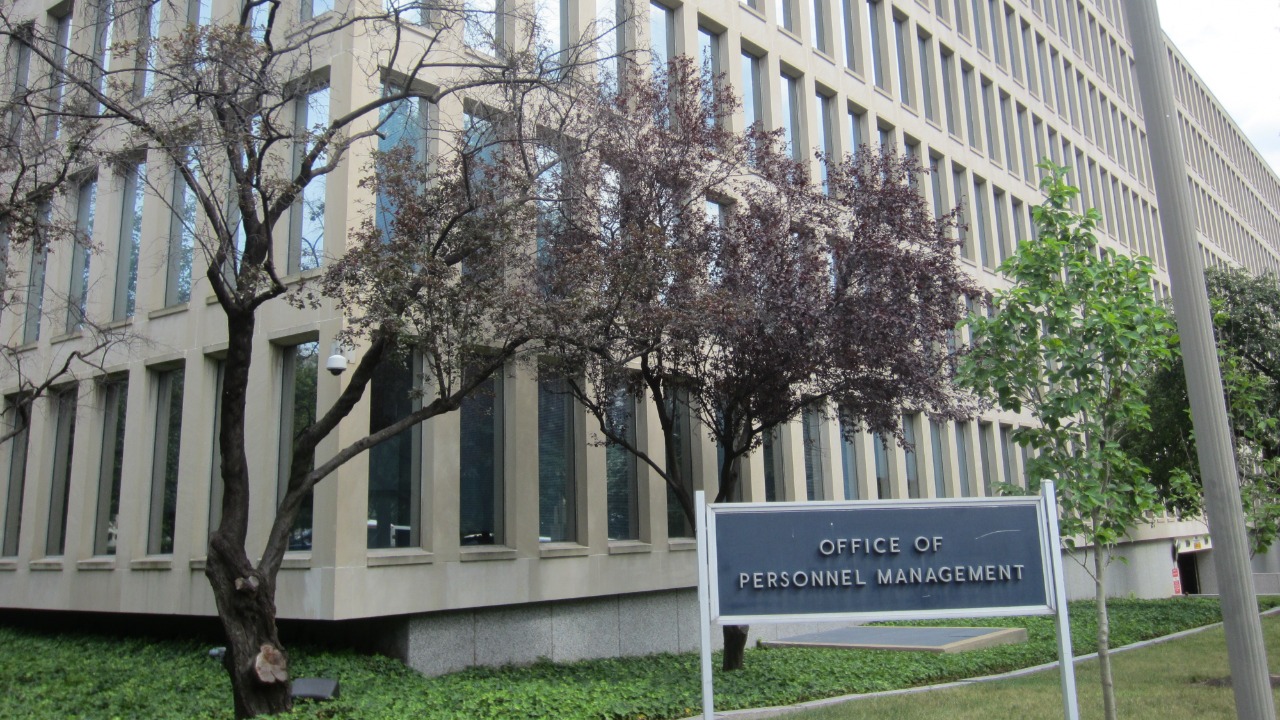
The Office of Personnel Management’s declaration that the Department of Government Efficiency (DOGE) is officially dissolved marks a rare, sweeping reset of a federal entity that was created to symbolize modernization but ended up embodying bureaucratic drift. The move closes the book on an experiment in cross‑agency reform and forces a reckoning over what, if anything, the project actually changed inside government. I see the decision less as an isolated shutdown than as a signal about how Washington now wants to manage innovation, accountability, and political branding inside the civil service.
How OPM moved to shut DOGE down
OPM’s dissolution order did not come out of nowhere, it capped months of internal review into DOGE’s legal footing, staffing structure, and performance against its original mandate. According to the official OPM notice, the office concluded that DOGE’s authorizing directive had expired and that no subsequent statute or executive action renewed its standing, which meant the unit was operating on borrowed authority. That finding gave OPM both the justification and the obligation to unwind the organization, reassign its career staff, and terminate its remaining contracts. The same notice laid out a staged wind‑down plan that froze new initiatives, halted external hiring, and set a firm end date for DOGE’s budget line inside the broader personnel framework.
In practical terms, the dissolution means DOGE’s functions are being redistributed rather than simply abandoned. OPM’s guidance specifies that ongoing workforce analytics projects will shift to the agency’s existing policy and data offices, while any open performance audits are being transferred to the inspectors general that already oversee the affected departments. That redistribution underscores how OPM is framing the move, not as a retreat from efficiency work but as a consolidation into structures that already have clear statutory backing. It also explains why the agency emphasized in its public materials that no career employees would be laid off as a direct result of DOGE’s closure, a point that matters in a civil service system where reductions in force trigger their own procedural and political battles.
Why DOGE was created and how it lost its footing
To understand why OPM felt comfortable pulling the plug, it helps to revisit what DOGE was supposed to be. The unit was launched as a small, cross‑cutting team tasked with identifying duplicative programs, streamlining hiring pipelines, and piloting new digital tools across agencies. Early internal briefings, summarized in OPM’s archived strategy documents, described DOGE as a “tiger team” that could move faster than traditional offices and test ideas like shared services, automated onboarding, and standardized performance dashboards. In its first phase, the group focused on narrow, measurable projects such as reducing the time to fill certain mission‑critical roles and mapping overlapping administrative support contracts across a handful of departments.
Over time, however, DOGE’s mission blurred as it absorbed ad hoc assignments that had little to do with its original charter. The same OPM records show the office being pulled into branding campaigns, one‑off task forces, and internal communications projects that diluted its focus on measurable efficiency gains. Without a clear statutory anchor, DOGE also struggled to compel agencies to adopt its recommendations, which meant many of its reports ended up as advisory memos rather than binding directives. By the time OPM initiated its formal review, the unit had become a catch‑all for “innovation” projects that overlapped with existing agency services, making it harder to justify a standalone structure when budgets tightened and leadership changed.
What dissolution means for federal workers and projects
For federal employees who interacted with DOGE, the immediate question is what happens to the tools and pilots the office helped launch. OPM’s transition plan indicates that active projects, such as shared applicant pools and cross‑agency training modules, will continue under the stewardship of permanent program offices that already manage similar efforts. The agency’s human capital arm is slated to absorb most of the hiring and workforce analytics work, while IT‑heavy pilots are being routed through existing digital service teams. That approach is meant to avoid the classic problem of innovation units, where promising experiments die when the sponsoring office disappears.
For rank‑and‑file staff, the more tangible impact is organizational rather than technological. Career employees assigned to DOGE are being reassigned into established OPM divisions or back to their home agencies, a process governed by the civil service protections detailed in OPM’s workforce restructuring guidance. That means no one is being summarily dismissed because a political initiative ended, but it also means some employees will see their roles shift from high‑visibility pilot work to more traditional program management. In my view, that tradeoff captures the tension at the heart of DOGE’s story: the federal system can protect people from abrupt job loss, yet it still struggles to create stable homes for experimental work that sits outside the usual bureaucratic lanes.
The political and administrative context behind OPM’s move
OPM’s decision also reflects the broader political environment in which federal management reforms now operate. Under President Donald Trump, the administration has repeatedly signaled a preference for consolidating authority inside clearly defined chains of command rather than proliferating semi‑autonomous reform units. The administration’s government‑wide management agenda, outlined in OPM’s budget and performance materials, emphasizes cost control, accountability, and alignment with statutory mandates. In that context, an office like DOGE, which grew out of a more experimental phase of reform, was always going to face tougher scrutiny once leadership began asking which entities had firm legal foundations and which did not.
At the same time, the administrative state has been under pressure from Congress and watchdogs to reduce overlapping initiatives and clarify lines of responsibility. Oversight reports cited in OPM’s inspector general materials have repeatedly flagged the proliferation of small, mission‑adjacent offices as a risk for fragmented accountability and inconsistent performance tracking. By formally dissolving DOGE and folding its work into existing structures, OPM can argue that it is responding to those concerns while still preserving the underlying goals of efficiency and modernization. I read that as a signal to other agencies that experimental units will be tolerated only if they can demonstrate clear value and legal grounding, not simply because they carry a reform‑friendly label.
What DOGE’s end signals for future “efficiency” experiments
The closure of DOGE does not mean the federal government is abandoning efforts to modernize its own machinery, but it does suggest a shift in how those efforts will be organized. OPM’s current planning documents, including its forward‑looking strategic plan, point toward embedding innovation inside core mission offices rather than spinning up separate brands that sit on the periphery. That model favors incremental improvements in hiring systems, benefits administration, and workforce analytics over splashy, standalone initiatives that can be created and dissolved with each political cycle. In practice, it could lead to more durable change, even if it lacks the rhetorical punch that came with a dedicated “efficiency” department.
For future reformers, the lesson from DOGE’s rise and fall is that structure matters as much as ambition. A unit that depends on soft authority and shifting mandates will always be vulnerable when leadership changes or budgets tighten, no matter how compelling its mission sounds. By contrast, embedding efficiency work inside statutory offices, tying it to clear performance metrics, and documenting it through OPM’s existing data and analysis channels gives it a better chance of surviving beyond a single administration. As OPM closes the books on DOGE, the real test will be whether the projects it started can thrive in their new institutional homes, or whether they fade into the background as yet another chapter in Washington’s long history of short‑lived reform brands.
More From TheDailyOverview
- Dave Ramsey warns to stop 401(k) contributions
- 11 night jobs you can do from home (not exciting but steady)
- Small U.S. cities ready to boom next
- 19 things boomers should never sell no matter what

Grant Mercer covers market dynamics, business trends, and the economic forces driving growth across industries. His analysis connects macro movements with real-world implications for investors, entrepreneurs, and professionals. Through his work at The Daily Overview, Grant helps readers understand how markets function and where opportunities may emerge.

