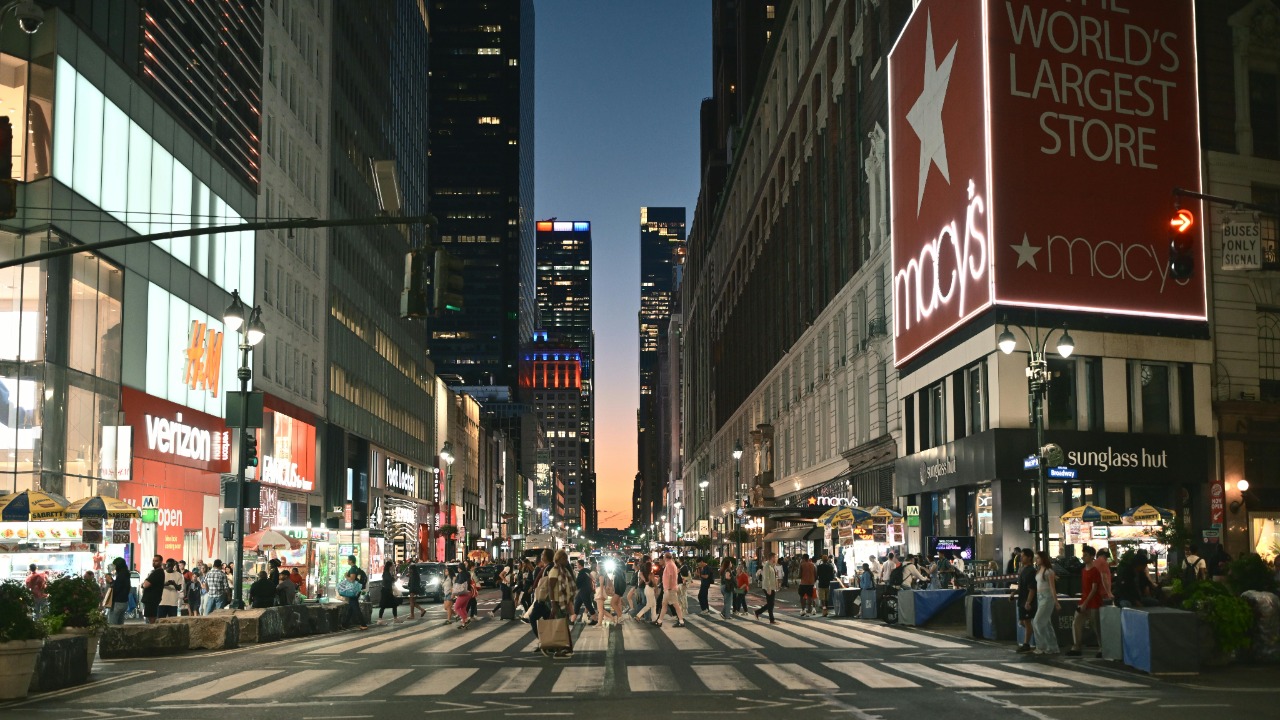
More than 3,700 U.S. stores are shutting their doors this year, a wave of closures that is reshaping where and how Americans shop. The pullback stretches from big-box chains to mall anchors and neighborhood pharmacies, and it is hitting both struggling brands and household names that are otherwise healthy.
I see a clear pattern running through the numbers: retailers are pruning locations that no longer justify their costs, even as they invest in e-commerce, smaller formats, and stronger markets. The result is a retail map with more gaps, especially in lower income communities and aging suburban shopping centers.
The big picture: over 3,700 closures and a new phase of retail retrenchment
The headline figure is stark. A tally of public disclosures from major chains shows that more than 3,700 U.S. stores have already closed or are slated to close this year, a level that signals a new phase of retrenchment after the pandemic-era shakeout. I read that as a sign that the industry is still digesting years of overexpansion, rising labor and rent costs, and a permanent shift toward online shopping rather than a sudden collapse of consumer demand.
Context matters here. Analysts tracking closures note that this is the sharpest jump in shutdowns since retailers in the United States shuttered almost 10,000 locations in 2020, the year when Covid lockdowns and uncertainty forced chains to slash their footprints. The current wave is different, driven less by emergency survival and more by strategic decisions to exit weaker markets, renegotiate leases, and redirect capital into digital operations and higher performing stores.
Discount and dollar chains: from rapid growth to painful pullbacks
For years, discount and dollar stores were the growth story of American retail, filling in small towns and city blocks that other chains ignored. Now some of those same brands are closing hundreds of locations as inflation squeezes their core shoppers and theft, wage pressures, and aging real estate eat into margins. I see this as a turning point for a sector that once seemed almost immune to broader retail turbulence.
One of the most dramatic examples is the fabric and craft chain Joann. According to detailed closure counts, Joann is closing about 500 of its roughly 850 stores, out of a total of 790 locations that are affected by restructuring plans. Those figures, reported on Nov 6, 2025, underscore how even niche retailers that benefited from pandemic-era crafting booms are now under pressure to shrink. Broader roundups of chains cutting back in 2025 show that discount-focused banners are heavily represented, with a full list of closures highlighting how many low-price operators are trimming underperforming stores while still maintaining more than 1,100 locations in some cases.
Pharmacies, party supplies, and closeout chains under strain
Pharmacies, party stores, and closeout retailers are also deep into a painful reset. I see three overlapping pressures driving their decisions: shrinking foot traffic for routine errands, rising competition from online and big-box rivals, and the high fixed costs of operating thousands of small boxes across the country.
Drugstores are a prime example. Large chains have been closing locations in neighborhoods where prescriptions have migrated to mail order or where front-of-store sales no longer cover costs, a trend reflected in the store locator updates at Walgreens. Party supply specialist Party City has been pruning its footprint after bankruptcy, a shift that leaves some communities without a dedicated source for decorations and seasonal goods. Closeout and discount chain Big Lots has also been identified among the retailers leading this year’s closure counts, with analysts tying its retrenchment to weak sales in certain regions and the broader pressure on lower income shoppers.
Mall anchors and apparel: Macy’s, Kohl’s, JCPenney and more
The shakeout is equally visible in America’s malls, where department stores and apparel chains are closing locations that no longer justify their square footage. I see this as the continuation of a long-running story: as shoppers migrate online and toward off-mall formats, traditional anchors are slimming down to a core of profitable, often suburban, sites.
Legacy department stores are at the center of that shift. Macy’s has been closing underperforming stores while experimenting with smaller formats and off-mall locations, a strategy that shows up in detailed closure lists that also track moves by Kohl’s and JCPenney. A comprehensive rundown of chains cutting back in 2025 notes that these three names appear alongside Joann in a wave of mall and lifestyle center retrenchment, with detailed reporting on how many locations each brand is willing to sacrifice to improve profitability. Broader lists of store closures in 2025 show that apparel and department store chains remain some of the most aggressive in trimming their fleets, even as they invest heavily in e-commerce and loyalty programs.
Specialty retailers: crafts, outdoor gear, and youth brands on the bubble
Beyond the big generalists, a wide range of specialty retailers are also closing stores, from outdoor outfitters to teen fashion and accessories. I read these moves as a sign that niche brands are being forced to choose between doubling down on their strongest markets or risking a slow bleed across a sprawling national footprint.
Fashion and lifestyle names are prominent on that list. A detailed feature on Stores Closing in the U.S. in 2025 highlights chains such as REI, Claire, and other brands grouped under the banner of “More Companies Facing Financial Challenges,” with closures concentrated in underperforming markets. Another roundup of stores closing in the U.S. in 2025 notes that In the same month, Liberated Brands, the company behind Volcom, Billabong, Quiksilver and several other labels, moved to shut underperforming stores across the country, underscoring how even surf and skate-inspired youth brands are not immune.
Regional impact: from strip malls to potential retail deserts
When thousands of stores close in a single year, the impact is not evenly distributed. I see closures clustering in older strip malls, secondary suburbs, and lower income neighborhoods where sales per square foot are weakest and where landlords have less leverage to offer favorable lease terms. That pattern risks deepening existing inequalities in access to basic goods and services.
Dollar and variety chains illustrate that tension clearly. The parent company behind Family Dollar has been closing locations that no longer meet performance targets, a move that can leave residents with fewer nearby options for groceries, household supplies, and over-the-counter medicine. Analysts tracking the retailers closing stores in 2025, including Macy, Walmart, and Starbucks, point out that when big brands exit certain city neighborhoods, they often leave behind vacant storefronts and longer travel times for everyday errands. Over time, those gaps can harden into retail deserts, especially where independent grocers and pharmacies are already scarce.
What it means for shoppers: fewer choices, more online, and shifting loyalty
For consumers, the immediate effect of more than 3,700 closures is simple: fewer nearby choices and more trips consolidated into larger runs, often at big-box stores or online. I see shoppers responding in three main ways, by shifting more purchases to e-commerce, consolidating loyalty around a smaller set of surviving chains, and experimenting with resale and local alternatives when national brands pull out.
Lists of the brands closing most locations in 2025 highlight names like Nov Foot Locker, which has been trimming mall stores as more sneaker sales move online and into direct-to-consumer channels. At the same time, broader tallies of closures compiled on Nov 6, 2025 by Business Insider show that while some chains are shrinking, others such as Home Depot continue to expand, giving shoppers new options even as familiar banners disappear. Coverage of The Brief on retailers closing stores in 2025 notes that Dec announcements from Macy, Walmart, and Starbucks framed closures as part of a broader strategy to focus on stronger markets and new formats, not a retreat from physical retail altogether.
More From TheDailyOverview
- Dave Ramsey says these two simple questions show whether you’re rich or poor
- Retired But Want To Work? Try These 18 Jobs for Seniors That Pay Weekly
- IRS raises capital gains thresholds for 2026 and what’s new
- 12 ways to make $5,000 fast that actually work

Grant Mercer covers market dynamics, business trends, and the economic forces driving growth across industries. His analysis connects macro movements with real-world implications for investors, entrepreneurs, and professionals. Through his work at The Daily Overview, Grant helps readers understand how markets function and where opportunities may emerge.

