
Palantir CEO Alex Karp has raised concerns about America’s entry into an AI “danger zone,” emphasizing the need for caution and strategic planning. As industries grapple with the rapid advancements in artificial intelligence, Karp envisions empowering blue-collar workers with AI “superpowers,” aiming to transform the workforce and bridge the digital divide.
The AI ‘Danger Zone’: Understanding the Risks

Karp’s warning highlights the multifaceted risks that AI presents, including threats to job security, national security, and ethical standards. As AI becomes more integrated into daily operations, there is a growing concern about the potential for widespread job displacement and the ethical challenges of autonomous decision-making systems. The national security implications are also significant, with AI’s potential to disrupt critical infrastructure and influence geopolitical dynamics.
Looking back at historical technological disruptions, such as the Industrial Revolution, offers valuable lessons. These periods of change were marked by economic upheaval and societal transformation, but they also led to innovation and new opportunities. The current AI wave could follow a similar trajectory, but it requires careful management to avoid exacerbating existing inequalities. Regulatory frameworks need to evolve rapidly to address the ethical and societal implications of unchecked AI growth. Without adequate oversight, the technology could reinforce biases and create new forms of inequality.
Empowering Blue-Collar Workers with AI

Karp envisions a future where AI tools provide “superpowers” to blue-collar workers, enhancing their productivity and job satisfaction. By integrating AI into routine tasks, workers can focus on more complex and rewarding aspects of their jobs. For instance, in the manufacturing sector, AI-powered robots are already assisting workers in tasks like quality control and inventory management, allowing them to perform their duties more effectively and efficiently.
However, there are challenges in implementing these technologies. Training and adaptation are crucial to ensure that workers can effectively use AI tools. Resistance to change is natural, especially in sectors that have traditionally relied on manual labor. Overcoming these hurdles requires comprehensive training programs and a cultural shift toward embracing technology. Success stories from industries like logistics, where AI has optimized supply chain operations, demonstrate the potential for positive transformation when blue-collar workers are equipped with the right tools.
The Broader Implications of AI on Employment

AI’s potential to displace jobs is a pressing concern, particularly in sectors like manufacturing, transportation, and retail. As machines become more capable of performing routine tasks, there is a risk of significant job losses. The socio-economic impact of this displacement could be profound, leading to increased unemployment and widening income inequality. Businesses need to be proactive in addressing these challenges by investing in reskilling and upskilling initiatives.
Education and training programs are vital to prepare the workforce for AI integration. By equipping workers with new skills, they can transition into roles that leverage AI technology rather than being replaced by it. Globally, countries are adopting different approaches to manage AI’s impact on employment. For example, some nations are investing heavily in education reform to ensure their workforce remains competitive in an AI-driven world.
Future Prospects and Strategic Planning
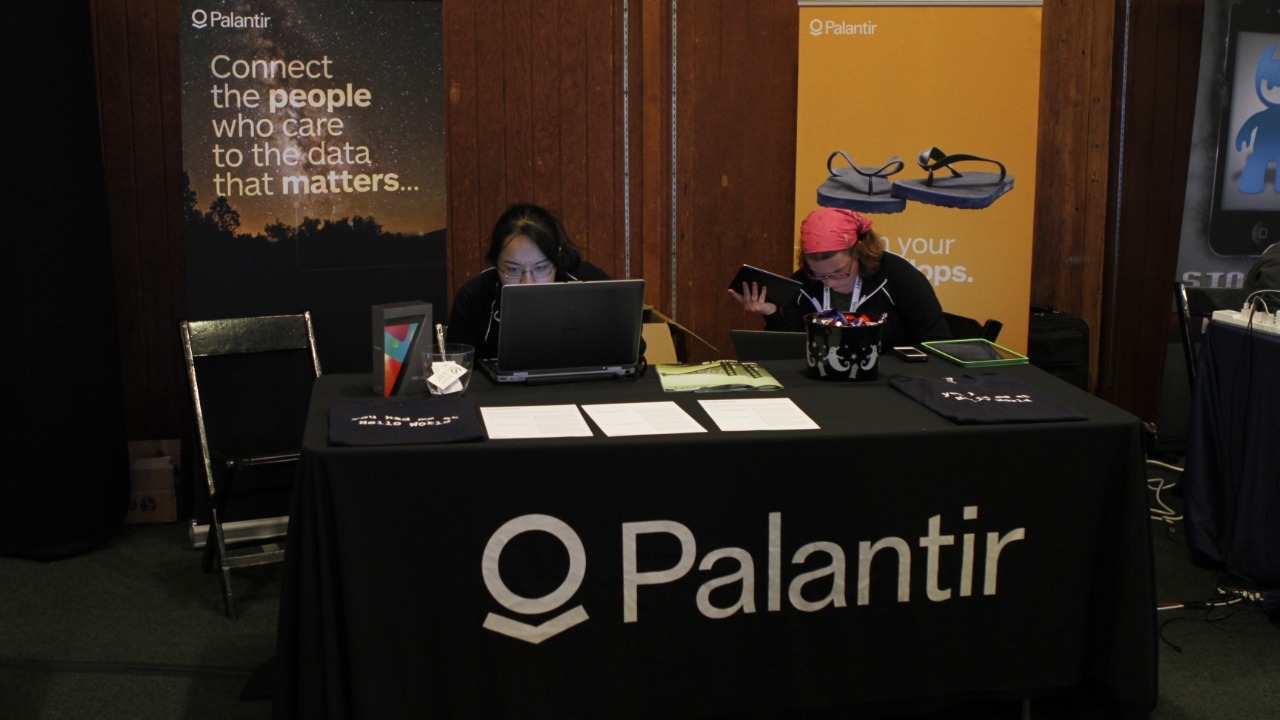
Palantir plays a significant role in shaping AI policy, advocating for responsible development and deployment of the technology. By engaging with policymakers and industry leaders, the company aims to foster an environment that balances innovation with ethical considerations. Collaborations with educational institutions are also crucial, as they provide a platform for developing a sustainable AI-enhanced workforce.
Looking ahead, the long-term vision for AI and society involves creating a balance between technological advancement and societal wellbeing. Karp emphasizes the need for strategic planning to ensure AI benefits all societal sectors, not just a privileged few. By focusing on inclusive growth, Palantir and other tech leaders can help bridge the digital divide and create a future where AI serves as a tool for empowerment rather than division.

Grant Mercer covers market dynamics, business trends, and the economic forces driving growth across industries. His analysis connects macro movements with real-world implications for investors, entrepreneurs, and professionals. Through his work at The Daily Overview, Grant helps readers understand how markets function and where opportunities may emerge.

