
Buying a car is a significant financial decision, and it’s easy to make mistakes that can cost you dearly in the long run. Financial expert Dave Ramsey offers invaluable advice to help you avoid common pitfalls when purchasing a vehicle. From setting a realistic budget to understanding the hidden costs, his tips are designed to guide you toward a smart car-buying experience.
Ignoring a Budget

One of the most common mistakes I see people make is not setting a clear budget before shopping for a car. It’s crucial to determine how much you can comfortably afford each month, including loan payments, insurance, and maintenance. Without a defined budget, you may end up with a car that strains your finances.
Start by looking at your monthly income and expenses to see what you can realistically allocate toward a car. Don’t forget to include potential repairs and gas costs. By sticking to a budget, you ensure that buying a car doesn’t become a financial burden.
Not Considering Total Cost of Ownership

When buying a car, many focus solely on the sticker price, neglecting the total cost of ownership. This includes insurance, fuel, maintenance, and depreciation. Luxury vehicles like the BMW 7 Series, for example, may have an appealing price tag but could quickly become costly due to high insurance rates and maintenance fees.
To avoid this pitfall, research various models to understand their long-term costs. Use resources like Edmunds or Kelley Blue Book to gather this data. This preparation can save you from unexpected expenses and help you choose a car that fits your budget in the long run.
Financing for Too Long

Stretching car loan terms to five or even seven years might seem like a good way to lower monthly payments, but it can backfire. Long-term financing often results in paying more interest over time. Additionally, you may end up having a loan balance that exceeds the car’s value, especially with models that depreciate quickly.
Dave Ramsey advises that car loans should not exceed 36 months. This approach minimizes interest payments and keeps you from being “upside down” on your loan. By opting for a shorter loan term, you can pay off the car faster and save money in the long run.
Overlooking Used Cars
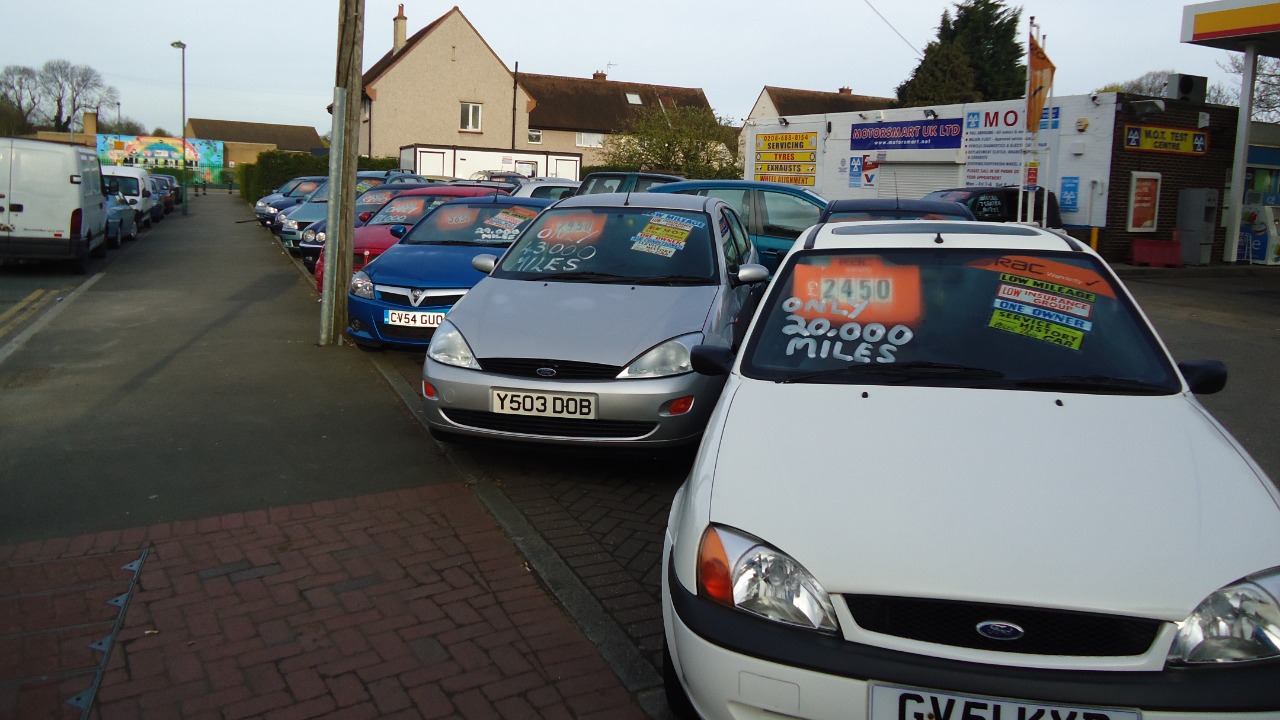
New cars lose value the moment they’re driven off the lot, which is why considering a used vehicle can be financially wise. Used cars from recent years often offer the same features and reliability as new models but at a fraction of the cost. Cars like the Honda Accord or Toyota Camry are known for their durability and are excellent options in the used market.
By purchasing used, you can avoid the steep initial depreciation and potentially get more car for your money. Always have a trusted mechanic inspect the vehicle before purchasing to ensure you’re not buying someone else’s problem.
Skipping the Test Drive

Not test-driving a car is like buying a pair of shoes without trying them on. It’s essential to experience how the vehicle handles, how comfortable it is, and whether it meets your driving needs. A test drive can reveal issues not apparent from photos or descriptions.
Take the car on various road types—highway, city streets, and parking lots—to get a comprehensive feel. Pay attention to any unusual noises or handling quirks. This simple step can save you from buying a car that doesn’t suit your lifestyle or preferences.
Neglecting a Vehicle History Report

A vehicle history report, such as those from Carfax or AutoCheck, provides valuable information about a used car’s past, including accidents, ownership history, and title issues. Ignoring this report can lead to costly surprises after purchase.
Always request a history report before buying a used car. It can alert you to red flags like flood damage or odometer rollback. This information is crucial in making an informed decision and ensuring you’re not inheriting hidden problems.
Failing to Shop Around

Settling on the first car you see without exploring other options can lead to missed opportunities for better deals. Different dealerships may offer varying prices and incentives, even for the same vehicle model.
Spend time visiting multiple dealerships and exploring online platforms like Autotrader or Cars.com. Comparing prices and negotiating terms can lead to significant savings. Remember, patience and research are your allies in finding the best deal.
Forgetting to Check Your Credit Score
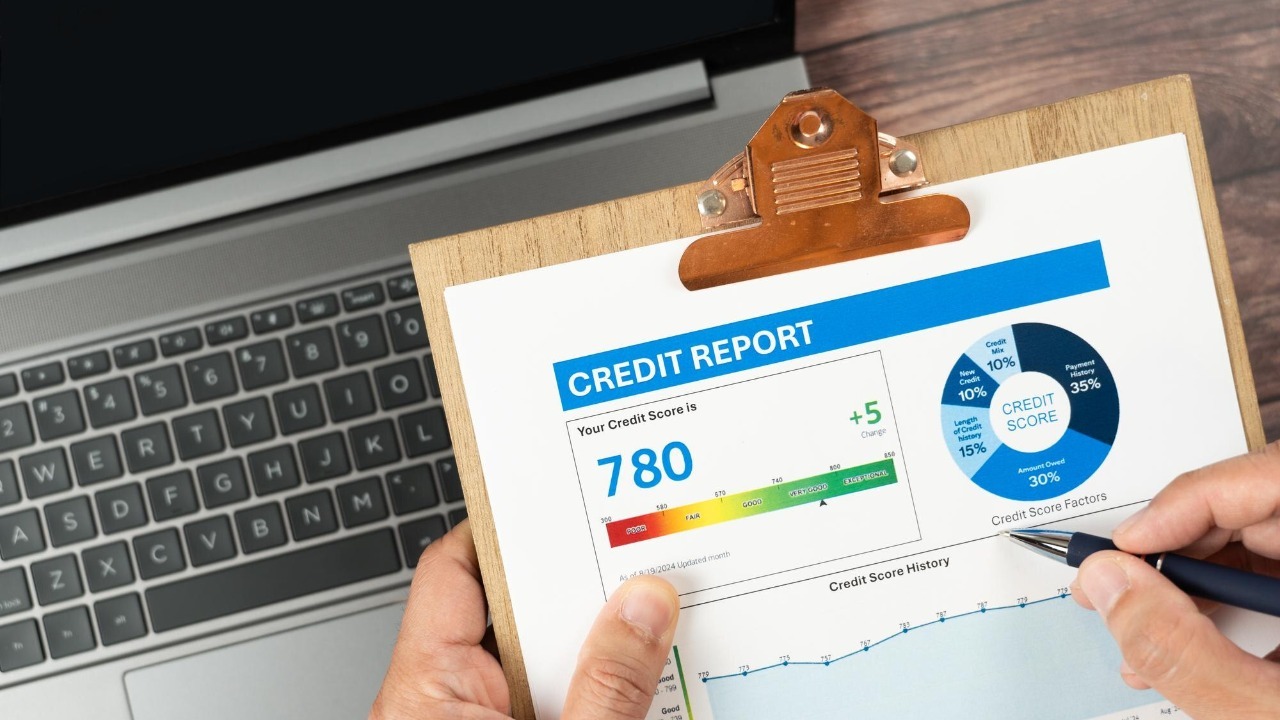
Your credit score significantly impacts the interest rate you’ll receive on a car loan. Higher scores often mean lower rates, translating to substantial savings over the life of the loan. Before visiting a dealership, check your credit score through services like Credit Karma or Experian.
If your score is lower than desired, take steps to improve it by paying down existing debt and ensuring timely bill payments. A better credit score can provide leverage for negotiating better loan terms, making car buying more affordable in the long run.
Rushing the Purchase

Impulse buying can lead to regrets, especially with significant purchases like cars. It’s easy to get caught up in the excitement of a new vehicle, but rushing can result in overlooking critical details.
Take your time to research, compare, and evaluate different options. Consider waiting for sales events or end-of-year clearances for better deals. By exercising patience, you increase your chances of finding a car that meets your needs and budget.
Not Negotiating the Price

Many assume the sticker price is fixed, but car prices are often negotiable. Failing to negotiate could mean overpaying by thousands of dollars. Dealerships expect some level of negotiation, so come prepared with research on the car’s value.
Use resources like TrueCar or Kelley Blue Book to understand the fair market price. Approach negotiation confidently and be willing to walk away if the terms aren’t favorable. Remember, the power to negotiate can lead to significant savings.
Ignoring Insurance Costs
Insurance premiums vary greatly depending on the car’s make, model, and your driving history. Failing to consider insurance costs may leave you with an unaffordable monthly bill. Before purchasing, obtain insurance quotes for your desired vehicles.
Cars with high safety ratings and lower theft rates, like the Subaru Outback, typically have lower insurance premiums. By factoring in insurance costs, you ensure that your new car fits comfortably within your overall budget.
Falling for Dealer Add-Ons

Dealers often offer add-ons like extended warranties, paint protection, or rustproofing. While some may be beneficial, many are overpriced or unnecessary. Purchasing these add-ons can significantly inflate the final price of your vehicle.
Research the value of these extras before agreeing to them. Often, third-party providers offer better rates for similar services. By scrutinizing add-ons, you can avoid unnecessary expenses and keep your purchase within budget.
Not Reading the Fine Print

Car purchase contracts are often filled with dense legal language. Failing to read and understand the fine print can lead to unexpected fees or unfavorable loan terms. Take the time to review the contract thoroughly before signing.
If you’re unsure about certain terms, seek clarification from the dealer or consult with a financial advisor. Understanding the contract ensures you’re fully aware of your obligations and helps prevent unpleasant surprises down the road.
Trading in a Car with Negative Equity

Trading in a car when you owe more than it’s worth can complicate your finances. This negative equity is often rolled into your new car loan, increasing your debt. It’s a situation that can lead to a cycle of debt with each subsequent car purchase.
Consider paying down the loan to reach positive equity before trading in. If that’s not possible, focus on negotiating a better price for your trade-in to minimize the negative impact. By addressing negative equity, you can prevent financial strain and secure a healthier financial future.
Being Swayed by Emotional Appeal

Cars can evoke strong emotional reactions, whether it’s the allure of a luxury model or the nostalgia of a classic car. Letting emotions drive your purchase decision can lead to overlooking practical considerations like budget and functionality.
Stay grounded by sticking to your budget and assessing your needs objectively. Prioritize features that align with your lifestyle, such as fuel efficiency or cargo space, over emotional appeal. By keeping emotions in check, you make a decision that serves you well in the long term.
Overestimating Trade-In Value

It’s easy to assume your current car is worth more than it is, but dealerships base trade-in offers on market conditions and the car’s condition. Overestimating its value can lead to disappointment and affect your new car’s affordability.
Research your car’s trade-in value using tools like NADA Guides or Edmunds. Be prepared to negotiate based on this data and be realistic about the offer. Understanding your car’s true value helps align your expectations and facilitates a smoother transaction.
Ignoring the Importance of a Down Payment
Skipping a down payment might seem like a way to save money upfront, but it can lead to higher monthly payments and more interest over time. A substantial down payment reduces the loan amount and can lead to more favorable loan terms.
Aim for at least a 20% down payment to minimize your loan and decrease the likelihood of negative equity. By prioritizing a down payment, you set yourself up for a more manageable and cost-effective car ownership experience.

Cole Whitaker focuses on the fundamentals of money management, helping readers make smarter decisions around income, spending, saving, and long-term financial stability. His writing emphasizes clarity, discipline, and practical systems that work in real life. At The Daily Overview, Cole breaks down personal finance topics into straightforward guidance readers can apply immediately.

