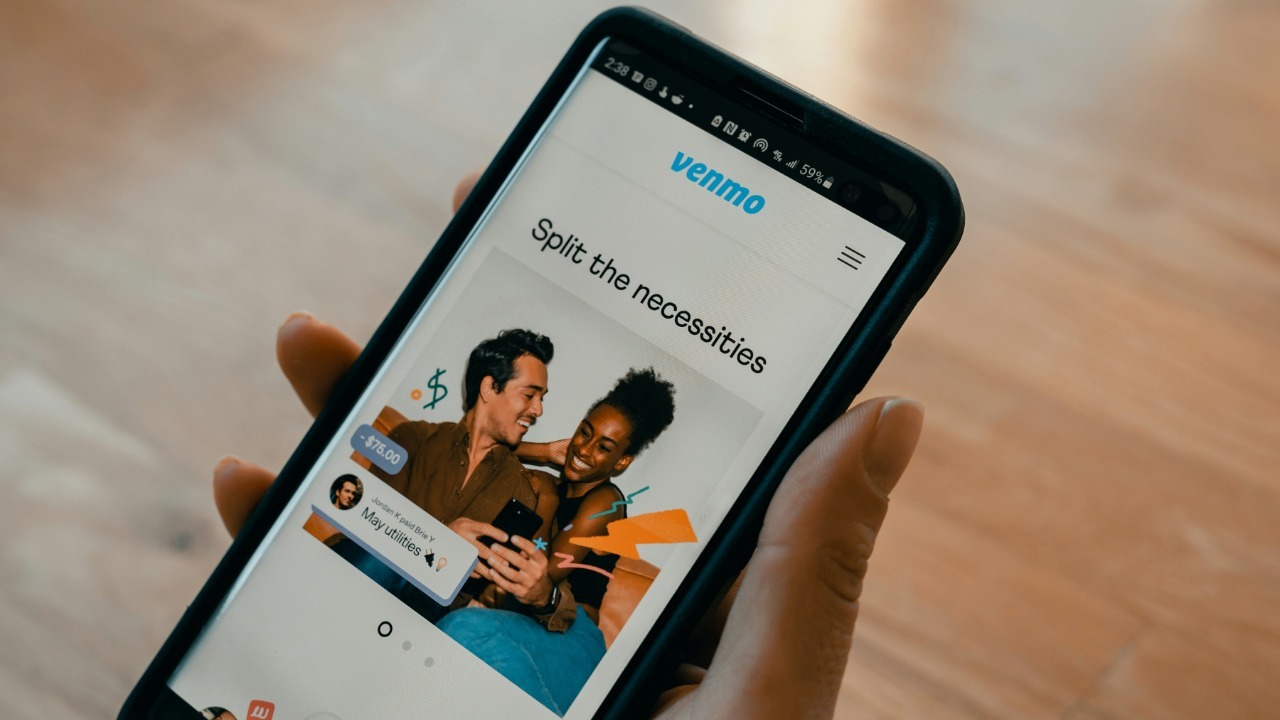
Federal and state regulators have opened a two-front legal assault on the payment network behind Zelle, alleging that weak fraud controls allowed scammers to drain more than $1 billion from consumers between 2017 and 2023. The lawsuits land as total reported fraud losses in the United States hit $12.5 billion in 2024, a 25% increase over the prior year, with bank transfers and payment apps now topping every other method criminals use to move stolen money. For the tens of millions of Americans who split rent, pay babysitters, or settle bar tabs through Venmo, Zelle, and similar services, the legal and statistical picture carries a blunt warning: speed and convenience have outpaced the safety nets meant to protect users.
Billion-Dollar Losses Draw Lawsuits From Two Directions
The Consumer Financial Protection Bureau filed suit against JPMorgan Chase, Bank of America, Wells Fargo, and Early Warning Services (EWS), the bank-owned company that operates Zelle. In its public announcement, the agency alleges that customers of the three banks lost more than $870 million over Zelle’s seven-year existence. The complaint describes systemic breakdowns in identity verification, controls for repeat fraudsters, the use of consumer complaints as risk signals, and dispute-handling and reimbursement procedures. In practical terms, the CFPB says the banks knew fraud was spreading across the network yet failed to tighten the gates or adequately compensate victims whose accounts were drained.
Separately, New York Attorney General Letitia James sued EWS directly, putting a wider dollar figure on the damage and framing the case as a failure of basic consumer protection. Her office asserts that more than $1 billion was stolen via Zelle scams between 2017 and 2023, arguing that EWS knew the network was uniquely susceptible to fraud because of missing safeguards but prioritized rapid growth and transaction volume over safety. The CFPB’s enforcement docket entry for the case lays out the detailed allegations and procedural history, giving the public a direct look at how regulators believe the network failed. Neither the federal nor the New York case has reached a resolution or settlement, leaving legal exposure for the banks and EWS open and signaling that additional enforcement actions from other states or agencies remain possible.
Why Payment App Fraud Keeps Climbing
The mechanics of these scams exploit a design choice that also makes the apps popular: instant, irreversible transfers. The Federal Trade Commission has warned that sending money through a payment app can be as hard to unwind as handing over cash, because once funds leave a bank account and land in a recipient’s wallet, they can be moved or cashed out in seconds. Fraudsters lean on that finality by impersonating bank representatives, using scripted calls or texts that pressure targets into authorizing transfers before they can think twice. Because the victim technically approves the transaction, banks have historically treated the loss as the customer’s problem, not theirs, arguing that consumer authorization breaks the chain of liability. That gray zone between “authorized” and “tricked” sits at the heart of the regulatory fight and will likely determine whether banks must reimburse a far broader swath of victims.
Broader fraud data show the problem is accelerating, not stabilizing. The FTC’s Consumer Sentinel Network recorded more than $12.5 billion in reported losses for 2024, up 25% from 2023. The share of fraud reports that involved a financial hit rose from 27% in 2023 to 38% in 2024, suggesting that more scams are successfully extracting funds rather than merely attempting to. Bank transfers and cryptocurrency now account for more reported losses than any other payment method, reflecting how criminals have migrated away from credit cards, which carry stronger chargeback rights and clearer legal protections, toward channels where money moves fast and disputes are harder to win. Regulators view Zelle as a particularly important test case because it sits at the intersection of bank oversight, real-time payments, and escalating consumer harm.
The Gap Between Zelle Scrutiny and Venmo Risk
Most of the regulatory firepower so far has targeted Zelle and its banking partners, leaving a notable gap in enforcement around non-bank apps like Venmo and Cash App. In its consumer alert about payment apps, the FTC groups Venmo, Cash App, and Zelle together, warning that once money leaves a user’s account it can be difficult or impossible to retrieve. Yet the lawsuits zero in on the bank-owned Zelle network, partly because federal banking regulators have clearer jurisdiction over institutions like JPMorgan Chase and Wells Fargo than over PayPal-owned Venmo or Block-owned Cash App. That structural difference in oversight means similar consumer experiences are being policed through very different legal channels.
The enforcement imbalance matters for anyone who relies on peer-to-peer transfers in daily life. Zelle users may eventually benefit from court-ordered reforms such as mandatory reimbursement policies, stronger identity checks, or more aggressive monitoring of accounts linked to repeated complaints. Venmo and Cash App users, meanwhile, operate under each company’s self-defined dispute rules, with no comparable legal pressure currently forcing changes to their fraud and refund practices. The CFPB’s allegations against the Zelle network—weak identity verification, ignored repeat offenders, and inadequate complaint triage—are not unique to one brand but reflect sector-wide vulnerabilities. If the Zelle cases produce binding remedies or large settlements, those outcomes could become a de facto benchmark that non-bank apps face pressure to match, whether through state attorneys general, congressional interest, or simple competitive expectation. Until then, consumers using any app face similar risks but uneven protection if something goes wrong.
How Scammers Operate and What Stops Them
The most common attack vector is impersonation. A scammer poses as a bank fraud department, sends a text alert about supposed suspicious activity, then calls the target and walks them through “securing” their account by transferring funds to a supposedly safe destination via Zelle or another app. The script is designed to create urgency and bypass the few seconds of hesitation that might prompt a victim to hang up and call their bank directly. Variations include fake marketplace sellers who request Zelle or Venmo payment for goods that never arrive, romance schemes that slowly coax victims into sending money, and investment pitches that steer people into transferring funds to bogus crypto platforms. Once the money lands in an account controlled by the scammer, it is quickly split, forwarded, or cashed out, making recovery extremely difficult even when law enforcement gets involved.
Effective defenses tend to be behavioral rather than technological, at least for now. Regulators and consumer advocates urge users never to send money via a payment app to someone they have not met in person, to treat any unsolicited request to “verify” an account as suspicious, and to independently contact their bank using a number on the back of their card rather than one provided in a text or email. Two-factor authentication, strong passwords, and careful review of payment details before tapping “send” can block some attacks, but they do not address situations where a victim is actively coached into approving a transfer. That gap is why regulators argue that banks and app operators must do more to detect patterns of fraud—such as repeated complaints tied to the same recipient account—and intervene before the next victim’s funds are lost.
What Consumers Can Do Now
While the courts and regulators hash out liability, consumers still shoulder most of the burden for protecting themselves and reporting what happens. If money is sent to a scammer through Zelle or a similar app, victims are urged to contact their bank immediately, document all communications, and file formal disputes even if frontline staff initially say nothing can be done. Beyond the bank, reporting helps authorities see patterns and build cases. The FTC encourages victims to submit details of scams through its online fraud reporting portal, which feeds into the Consumer Sentinel Network and informs both enforcement priorities and public warnings. In New York, residents can also notify state authorities by using the attorney general’s consumer complaint form, a channel that has historically played a role in triggering broader investigations.
On a practical level, experts recommend treating payment apps as tools for trusted contacts only, not as general-purpose replacements for credit cards or cash with strangers. Double-checking recipient details, limiting stored balances, and turning on alerts for every transaction can help catch problems quickly. At the same time, consumer pressure—through complaints, social media, and choices about which services to use—can influence how aggressively companies invest in fraud detection and reimbursement policies. The combined weight of federal lawsuits, state enforcement, and rising fraud statistics suggests that the current model of “instant but largely irreversible” payments is under serious scrutiny. Until that model changes, the safest approach for users is to assume that any money sent through a payment app could be gone for good and to click “send” only when they are fully confident about who is on the other side.
More From The Daily Overview
*This article was researched with the help of AI, with human editors creating the final content.

Cole Whitaker focuses on the fundamentals of money management, helping readers make smarter decisions around income, spending, saving, and long-term financial stability. His writing emphasizes clarity, discipline, and practical systems that work in real life. At The Daily Overview, Cole breaks down personal finance topics into straightforward guidance readers can apply immediately.
