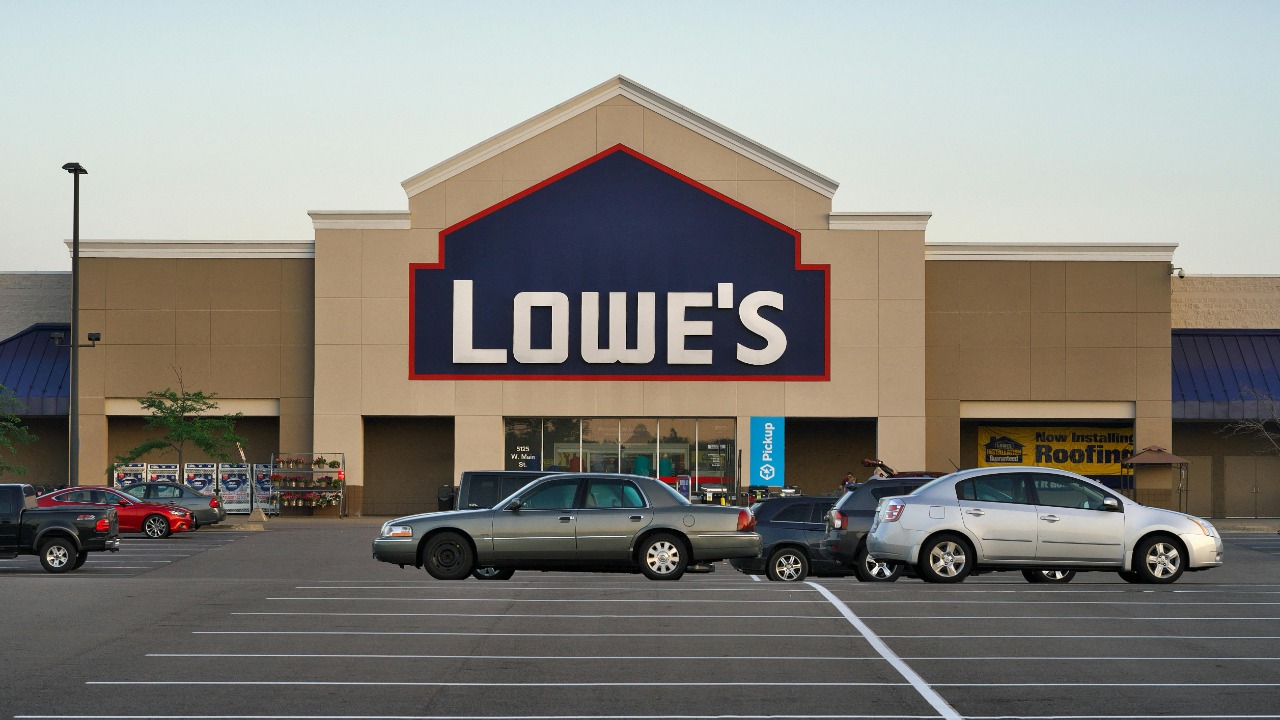
Lowe’s customers who seek refunds for defective products or botched installations may be asked to sign a release form before receiving their money back. These documents can contain non-disparagement clauses that effectively bar the signer from posting negative reviews, complaining on social media, or speaking to journalists about the experience. Federal law, however, has prohibited exactly this kind of contract provision since 2016, raising serious questions about whether such forms can hold up and whether shoppers should sign them at all.
What the Release Form Actually Asks Shoppers to Accept
When a retailer conditions a refund on signing a release, the transaction shifts from a simple return to a contractual exchange. The customer gets money back; in return, the company gets silence. Non-disparagement language typically prevents the signer from making negative public statements about the company, its employees, or its products. For a homeowner who received a faulty appliance or a poorly executed installation, that trade can feel coercive: accept the gag clause or forfeit the refund entirely. In practice, the form may also bundle in other waivers, such as releases of liability or agreements not to pursue further claims, making the decision at the service desk more legally complex than it appears.
The practice is not unique to any single retailer, but its appearance in big-box home improvement stores is especially consequential. Large purchases such as HVAC systems, roofing materials, and kitchen remodels carry high dollar values, meaning the financial pressure to sign and move on is substantial. Shoppers who comply may never share their experience publicly, which removes a data point that other consumers rely on when making their own purchasing decisions. The result is a quieter complaint record that does not necessarily reflect the actual rate of problems, particularly for specialized services like installations where word-of-mouth and online ratings are critical signals of quality.
Federal Law Voids Gag Clauses in Form Contracts
The Consumer Review Fairness Act, signed into law in 2016, directly addresses this tactic. The statute prohibits businesses from using form contracts that restrict or penalize honest consumer reviews. It also bars provisions that force consumers to transfer intellectual property rights in their own reviews. Any contract clause that violates these rules is void from the start, meaning it carries no legal weight even if the consumer signs it. The law applies to standard-form agreements offered on a take‑it‑or‑leave‑it basis, which is exactly how most refund releases are presented at retail counters.
The law’s reach extends beyond simple product ratings. According to FTC business guidance, the CRFA covers consumer evaluations of a company’s customer service and overall conduct, not just opinions about a physical product. That distinction matters for refund disputes, where the complaint often centers on how the company handled a problem rather than the item itself. A clause that blocks a customer from describing a frustrating return process on social media falls squarely within the statute’s scope. The same is true for attempts to fine or otherwise punish a customer for leaving a one‑star rating, which the law treats as an impermissible penalty on protected speech.
How the FTC Has Already Enforced the CRFA
Regulators have not treated the CRFA as a symbolic measure. In June 2019, the FTC announced two actions against companies that embedded non-disparagement clauses in consumer form contracts. Both cases required the businesses to stop using the offending language and to notify affected consumers that the clauses were void. The actions established a clear precedent. Companies that bury review restrictions in standard agreements face federal consequences, including potential monetary penalties if they violate related orders or engage in deceptive practices alongside the gag clauses.
The statute itself, codified at 15 U.S.C. Section 45b, grants enforcement authority to both the FTC and state attorneys general. That dual track means a retailer using prohibited clauses could face action at the federal level, the state level, or both. No public enforcement action has specifically named Lowe’s in connection with CRFA violations based on available sources, but the legal framework applies uniformly to any business that offers consumers a form contract containing restricted provisions. State regulators can use the same statutory standards to challenge non-disparagement language in local businesses’ contracts, making the risk of enforcement broader than a single federal investigation.
Why Signing May Not Actually Bind You
A common misunderstanding is that a signed document automatically creates an enforceable obligation. Under the CRFA, that is not the case for review-suppressing terms. The statute renders prohibited provisions void regardless of whether the consumer agreed to them voluntarily. A shopper who signs a release form to get a refund and later posts an honest negative review has not breached a valid contract, because the non-disparagement clause never had legal force. Even if a company threatened legal action based on such a clause, the underlying law would treat that provision as if it were never part of the agreement in the first place.
That said, the chilling effect is real. Most consumers are not lawyers and have no reason to know that a clause in a signed document is unenforceable. The mere existence of the language can deter people from speaking up, which is precisely the outcome the CRFA was designed to prevent. Retailers benefit from this information gap even if they never attempt to enforce the clause in court. The practical result is fewer public complaints, fewer online reviews flagging recurring issues, and less accountability pressure from the marketplace. This dynamic represents a gap between what the law says and what consumers experience at the service desk, where the immediate desire to resolve a problem can overshadow concerns about long-term rights.
What Shoppers Can Do Before and After Signing
Consumers who encounter a release form with non-disparagement language have several practical options. First, they can ask for the refund without signing the form, since the clause itself is void under federal law. Politely pointing out that federal law protects honest reviews may be enough to prompt a manager to process the return without the gag language. If the retailer insists, shoppers can file a complaint through the FTC’s fraud reporting portal, which collects consumer reports that can inform future enforcement decisions. State attorneys general also accept complaints and have independent authority to act under the CRFA, especially where patterns of conduct suggest a systemic attempt to silence customers.
Even consumers who have already signed a release should understand that the non-disparagement provision does not prevent them from posting an honest review. The CRFA does not require consumers to take any affirmative step to invalidate a void clause; it is void by operation of law. Shoppers who want to protect their broader personal information can also use federal resources such as IdentityTheft.gov if a dispute escalates into misuse of their data, and they can add their phone numbers to the Do Not Call registry to cut down on unwanted sales calls that sometimes follow contentious customer-service interactions. Taken together, these tools give consumers a way to push back when a simple refund request turns into a pressure campaign to sign away their voice.
More From The Daily Overview
*This article was researched with the help of AI, with human editors creating the final content.

Cole Whitaker focuses on the fundamentals of money management, helping readers make smarter decisions around income, spending, saving, and long-term financial stability. His writing emphasizes clarity, discipline, and practical systems that work in real life. At The Daily Overview, Cole breaks down personal finance topics into straightforward guidance readers can apply immediately.
