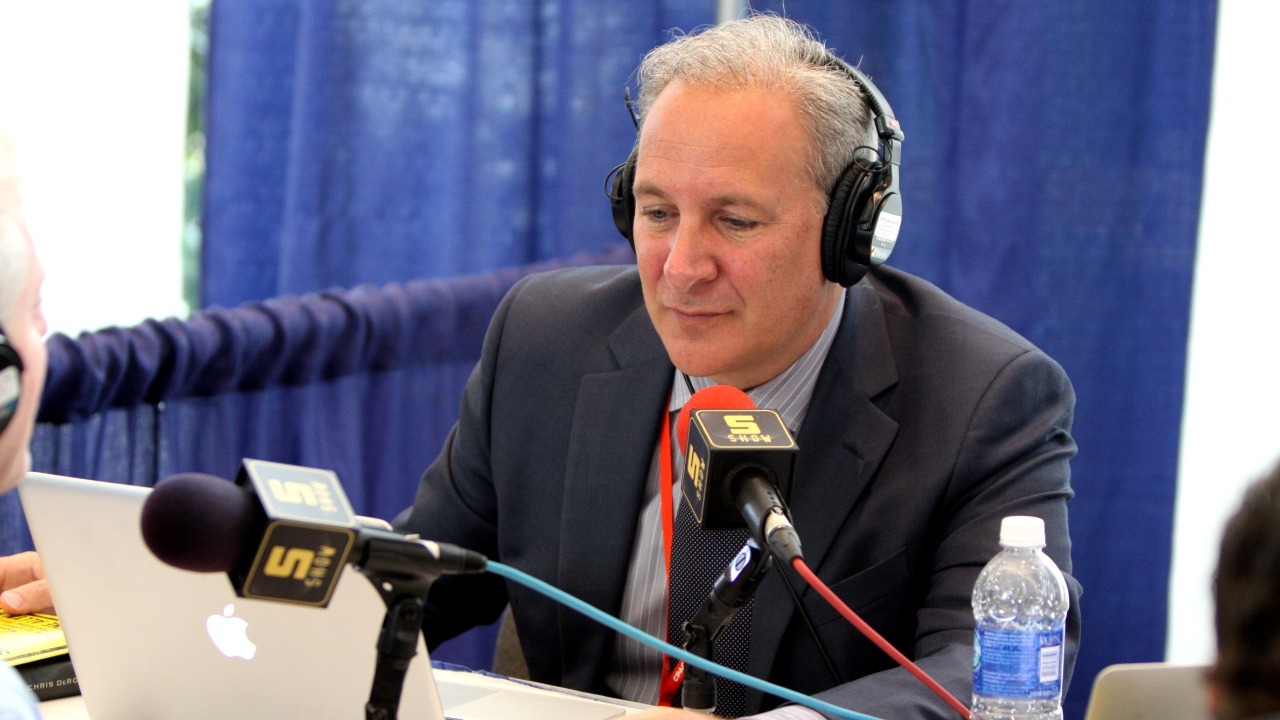
Financial analyst Peter Schiff has issued a stark warning about an impending ‘housing emergency’ in the US, predicting a wave of defaults as American homeowners resort to mailing back their keys. This forecast has raised questions about whether Schiff will once again be proven correct in his economic predictions.
Peter Schiff’s Track Record on Economic Predictions

Peter Schiff is known for his often contrarian economic predictions, some of which have proven to be remarkably accurate. He famously predicted the 2008 financial crisis, warning of the housing bubble and the subsequent economic downturn. His foresight during that period earned him a reputation as a credible voice in economic forecasting. However, not all of Schiff’s predictions have come to fruition, leading to a mixed track record that invites both admiration and skepticism.
Schiff’s accuracy in predicting previous financial crises has been a topic of analysis among economists and financial analysts. While his call on the 2008 crisis was spot-on, some of his other predictions, such as hyperinflation in the US, have not materialized as he anticipated. This mixed history raises questions about the credibility and influence of his current prediction regarding the housing market. Despite this, Schiff’s warnings continue to garner attention, partly due to his past successes and his ability to articulate potential economic threats.
The credibility of Schiff’s current prediction about the housing market is further complicated by the complex dynamics of today’s economy. While some experts support his view, others argue that the housing market is more resilient than he suggests. This divergence in opinion underscores the need for careful consideration of Schiff’s warning and its potential implications for the US economy.
The Current State of the US Housing Market

The US housing market is currently experiencing a range of trends and statistics that paint a complex picture. Home prices have seen significant increases in recent years, driven by low interest rates and high demand. However, this upward trend has also led to affordability issues for many potential buyers, contributing to concerns about the sustainability of the market. Rising interest rates and inflationary pressures are now beginning to impact homeowners, leading to an increase in default rates.
Several factors are contributing to the rising default rates among homeowners. Economic uncertainty, coupled with stagnant wage growth, has left many Americans struggling to keep up with mortgage payments. Additionally, the end of pandemic-related financial assistance programs has removed a safety net for some households, exacerbating financial strain. These factors are creating a precarious situation that could lead to a significant increase in defaults, as Schiff has warned.
Regional variations in housing market performance across the US further complicate the situation. While some areas continue to experience robust growth, others are seeing signs of cooling. For instance, cities that experienced rapid price increases during the pandemic are now facing potential corrections, while more stable markets are showing resilience. This regional disparity highlights the uneven nature of the housing market and the challenges in predicting its future trajectory.
Potential Impacts of a Housing Emergency

A widespread housing default crisis could have severe economic implications for the US economy. Such a scenario would likely lead to a decrease in consumer spending, as affected homeowners cut back on expenditures to manage their financial obligations. This reduction in spending could, in turn, slow economic growth and potentially lead to a recession. The ripple effects of a housing crisis would also impact the financial sector, as banks and lenders face increased risks from defaulting loans.
The social consequences for American families facing home loss are equally concerning. Losing a home can have devastating effects on families, leading to instability, stress, and long-term financial hardship. The potential for a large number of families to experience such challenges underscores the importance of addressing the root causes of the housing crisis and finding solutions to prevent widespread defaults.
Possible government responses and interventions to mitigate the impact of a housing emergency could include measures such as mortgage relief programs, financial assistance for struggling homeowners, and policies aimed at stabilizing the housing market. These interventions would be crucial in preventing a full-blown crisis and supporting affected families during difficult times.
Comparisons to Previous Housing Crises

Comparing current market conditions to those leading up to the 2008 financial crisis reveals both similarities and differences. Like the pre-2008 period, today’s market is characterized by high home prices and increasing debt levels. However, there are also significant differences, such as stricter lending standards and a more robust regulatory framework, which could mitigate some of the risks present in the previous crisis.
Lessons learned from past housing emergencies can provide valuable insights into managing the current situation. The importance of maintaining sound lending practices, monitoring market trends, and implementing timely interventions are key takeaways from the 2008 crisis. Applying these lessons today could help prevent a repeat of the past and ensure a more stable housing market.
Despite these lessons, there are risk factors that differentiate the current situation from historical precedents. The impact of global economic conditions, technological advancements in the real estate sector, and demographic shifts are all factors that could influence the housing market in ways not seen before. These unique challenges require a nuanced approach to predicting and managing potential crises.
Expert Opinions and Counterarguments

Expert opinions on Schiff’s prediction vary, with some supporting his view of an impending housing crisis, while others argue for the stability and resilience of the market. Proponents of Schiff’s warning point to rising default rates and economic uncertainty as indicators of potential trouble ahead. They argue that without intervention, the housing market could face significant challenges.
Counterarguments suggest that the housing market is more resilient than Schiff predicts. Analysts pointing to strong demand, low inventory, and continued interest from buyers as signs of stability. They also highlight the role of government policies and economic recovery efforts in supporting the market and preventing a crisis.
Exploring alternative scenarios and their potential outcomes is crucial in understanding the full scope of the housing market’s future. While Schiff’s prediction raises valid concerns, it is important to consider a range of possibilities and prepare for various outcomes. By doing so, stakeholders can better navigate the complexities of the housing market and work towards solutions that ensure long-term stability.

Grant Mercer covers market dynamics, business trends, and the economic forces driving growth across industries. His analysis connects macro movements with real-world implications for investors, entrepreneurs, and professionals. Through his work at The Daily Overview, Grant helps readers understand how markets function and where opportunities may emerge.

