
As fraud and identity theft rise among seniors, safeguarding credit scores during retirement becomes crucial. Recent reporting highlights the increasing incidence of identity-related crimes targeting older adults, with a focus on effective protection strategies. Seniors are particularly vulnerable, leading to a surge in demand for identity theft protection services in 2025.
Understanding the Threat of Identity Theft for Seniors

Identity theft and fraud have become increasingly prevalent issues affecting seniors, posing significant threats to their financial stability. The rise in these crimes is alarming, as older adults are often seen as easy targets due to their accumulated wealth and sometimes limited familiarity with digital security measures. According to Fox News, the impact of these crimes can be devastating, leading to financial losses and damaged credit scores, which are crucial for maintaining financial health in retirement.
Real-world examples and statistics underscore the severity of this issue. As reported by Cybernews, seniors are increasingly falling victim to scams that exploit their trust and lack of awareness about digital threats. These crimes not only result in immediate financial loss but also have long-term effects on credit scores, making it essential for seniors to adopt proactive protection measures.
The direct impact of identity theft on credit scores cannot be overstated. When a senior’s identity is compromised, fraudulent activities can lead to unauthorized credit inquiries and accounts, severely damaging their creditworthiness. This makes it imperative for seniors to implement strategies that protect their identities and, by extension, their credit scores, as highlighted by Fox News.
Moreover, the emotional toll of identity theft on seniors can be profound. Victims often experience stress, anxiety, and a sense of violation, which can exacerbate existing health issues. This psychological impact underscores the importance of not only financial but also emotional support systems for seniors who have fallen victim to such crimes. Community support groups and counseling services can provide much-needed assistance in these situations, helping seniors to recover both financially and emotionally.
Evaluating Identity Theft Protection Services
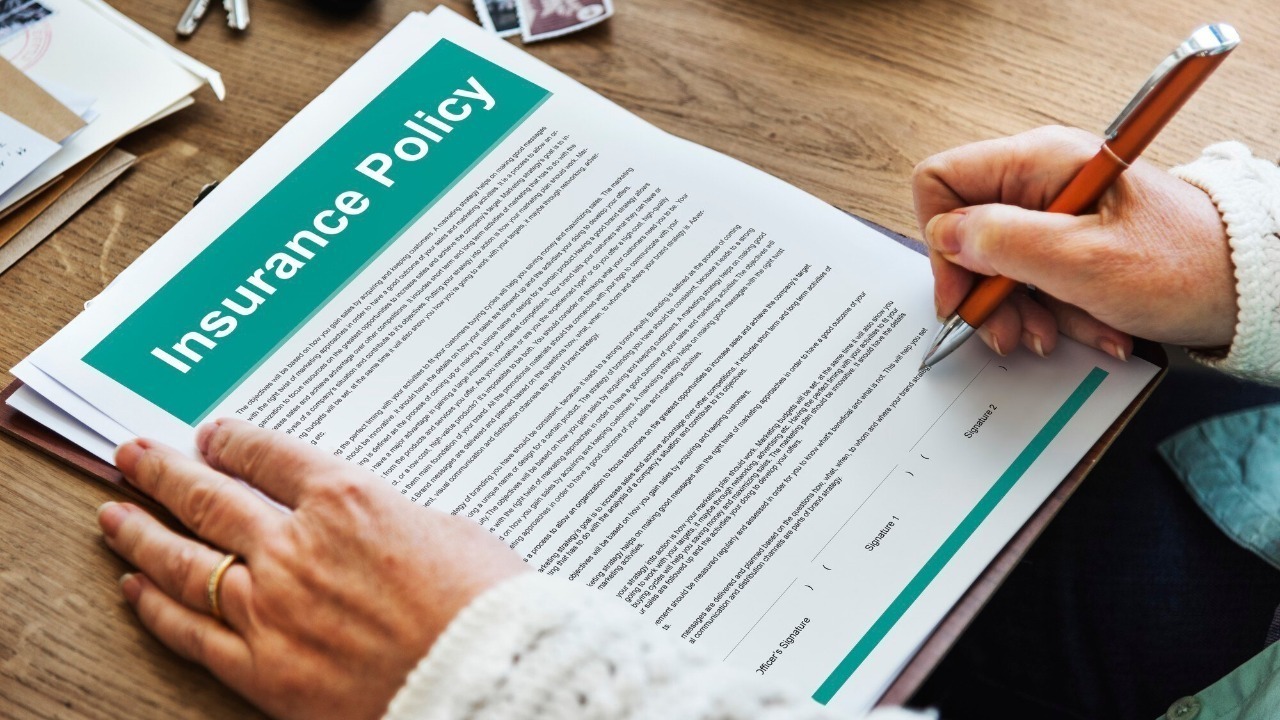
With the increasing threat of identity theft, evaluating the best protection services for seniors is crucial. According to Forbes, several services stand out in 2025 for their comprehensive features and benefits tailored to older adults. These services offer a range of protections, including credit monitoring, identity restoration, and insurance coverage for losses incurred due to identity theft.
Recent evaluations, such as those by Money, highlight the top identity theft protection services available in September 2025. These evaluations focus on the relevance of these services to seniors, emphasizing features like ease of use, robust customer support, and the ability to monitor multiple aspects of one’s identity. Such features are particularly important for seniors who may not be as tech-savvy as younger generations.
Specific services cater to the unique needs of older adults. As noted by Cybernews, services that offer user-friendly interfaces and dedicated customer support are highly valued by seniors. These services not only provide peace of mind but also empower seniors to take control of their digital security, ensuring their credit scores remain protected.
In addition to the features mentioned, many identity theft protection services now offer dark web monitoring, which alerts users if their personal information is found on illicit online marketplaces. This feature is particularly beneficial for seniors, as it provides an additional layer of security by identifying potential threats before they can cause harm. Furthermore, some services include family plans, allowing seniors to extend protection to their spouses or dependents, ensuring comprehensive coverage for their entire household.
Practical Steps to Safeguard Your Credit Score
One effective measure seniors can take to protect against identity theft is requesting an IP PIN from the IRS. This personal identification number adds an extra layer of security to tax filings, making it more difficult for identity thieves to file fraudulent tax returns. As explained by Elder Law Answers, obtaining an IP PIN is a straightforward process that can significantly enhance one’s protection against identity theft.
In addition to obtaining an IP PIN, seniors should regularly monitor their credit reports and set up fraud alerts. These steps can help detect unauthorized activities early, allowing for prompt action to mitigate potential damage. Fox News emphasizes the importance of these preventive measures, which can serve as the first line of defense against identity theft.
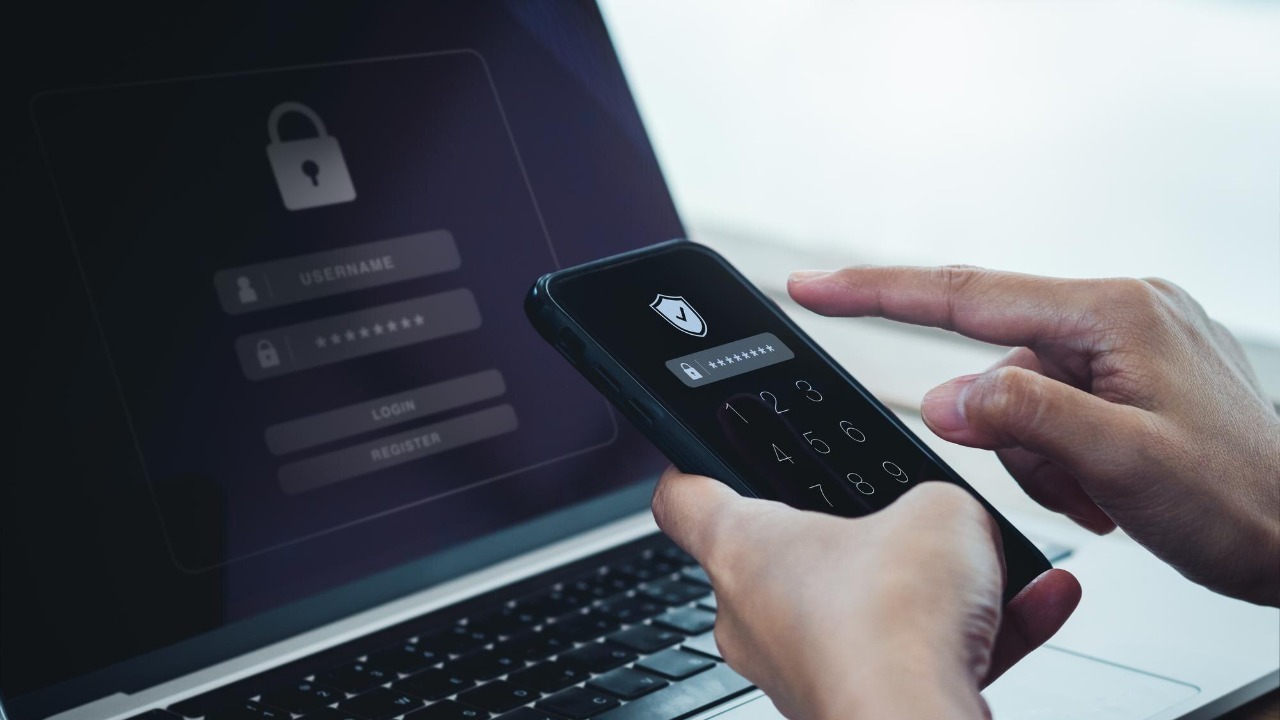
Adopting secure online practices is another critical step in safeguarding credit scores. Seniors should be encouraged to use strong, unique passwords for their online accounts and be cautious about sharing personal information. By minimizing the risk of data breaches, seniors can better protect their identities and maintain their financial health in retirement, as highlighted by Fox News.
Another practical step is the use of two-factor authentication (2FA) for online accounts. This security measure requires a second form of verification, such as a text message code, in addition to a password. Implementing 2FA can significantly reduce the risk of unauthorized access to sensitive accounts. Seniors should also consider freezing their credit, which prevents new credit accounts from being opened in their name without their consent. This is a powerful tool against identity theft, as it stops thieves from using stolen information to create new accounts.
Resources and Support for Seniors

Several organizations and resources are dedicated to helping seniors protect against identity theft and fraud. According to Cybernews, these resources provide valuable guidance and support, empowering seniors to take proactive steps in safeguarding their identities. From educational materials to personalized assistance, these organizations play a crucial role in enhancing seniors’ digital security.
Government agencies and non-profits offer additional support, providing contact information and resources for seniors seeking guidance. As noted by Forbes, these entities are instrumental in offering assistance and advice tailored to the needs of older adults, ensuring they have access to the necessary tools to protect themselves against identity theft.
Community programs and workshops focused on educating seniors about digital security and identity protection are also invaluable. These initiatives, highlighted by Fox News, provide seniors with the knowledge and skills needed to navigate the digital landscape safely. By participating in these programs, seniors can stay informed about the latest threats and learn how to effectively protect their credit scores and personal information.
Additionally, online platforms and forums dedicated to senior safety offer peer support and shared experiences, which can be invaluable for those navigating the aftermath of identity theft. These platforms provide a space for seniors to share tips, ask questions, and learn from others who have faced similar challenges. By engaging with these communities, seniors can stay informed about new scams and protection strategies, fostering a sense of empowerment and resilience in the face of digital threats.

Cole Whitaker focuses on the fundamentals of money management, helping readers make smarter decisions around income, spending, saving, and long-term financial stability. His writing emphasizes clarity, discipline, and practical systems that work in real life. At The Daily Overview, Cole breaks down personal finance topics into straightforward guidance readers can apply immediately.

