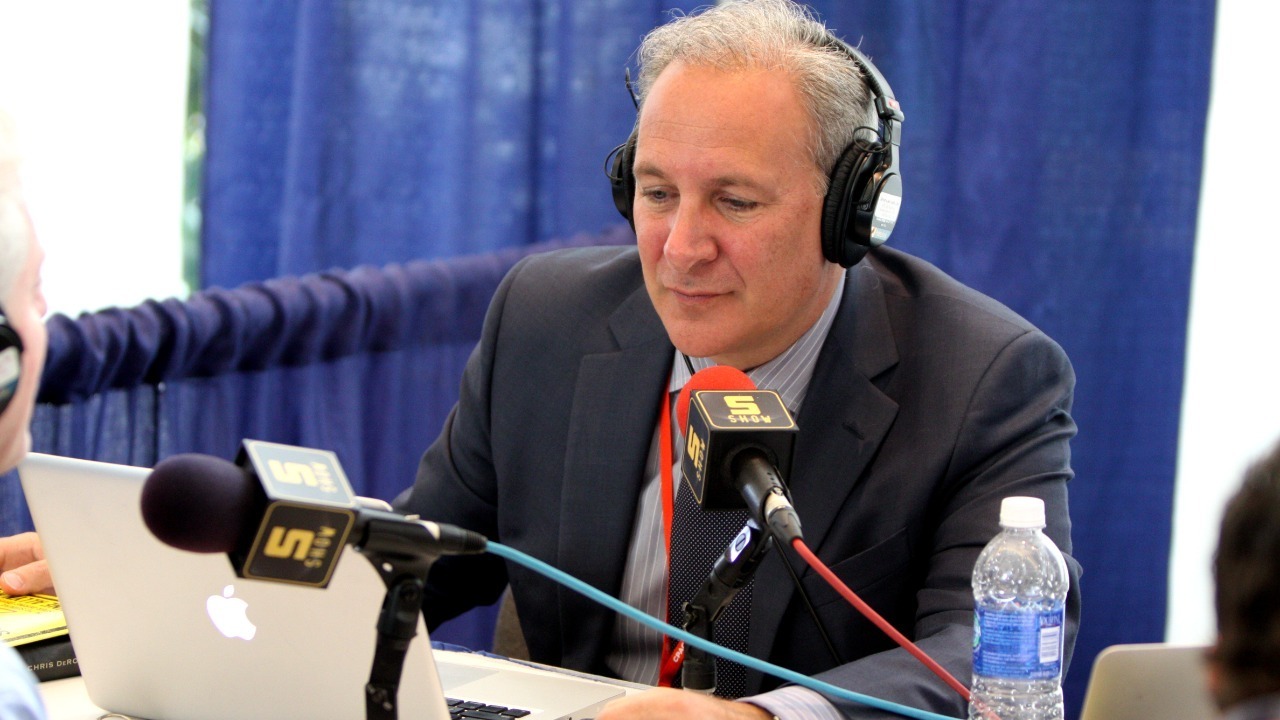
President Donald Trump is selling a story of a historic boom, but one of his loudest critics in the markets world argues the numbers tell a very different tale. Economist Peter Schiff says the United States is not on the cusp of prosperity, it is drifting toward a slow-motion crisis in which real output stagnates while the cost of living keeps grinding higher. In his view, what looks like strength on the surface is masking an economy that is quietly going bust.
Schiff’s case against the “booming” narrative
Peter Schiff has never been shy about challenging political spin, and he has zero patience for Trump’s claim that the country is enjoying a powerful expansion. When Trump touts headline job gains and record stock indexes, Schiff points instead to weak productivity, heavy debt loads and a widening gap between financial markets and the real economy. He argues that what the president calls a boom is really a sugar high built on cheap money and deficit spending that leaves the underlying productive base of the American economy more fragile, not stronger.
That skepticism sharpened when Trump recently celebrated what he described as a roaring economy, a statement that, according to Peter Schiff, ignores the pressure many households feel from layoffs and rising bills. In a separate analysis, he framed Trump’s optimism as part of a broader political habit of focusing on asset prices and headline statistics while downplaying the erosion of real output and living standards, warning that the country is drifting toward a point where the productive side of the economy is “going bust” even as official data still looks respectable.
Stagflation risk: slow Real GDP, sticky prices
Schiff’s central macroeconomic worry is stagflation, the toxic mix of weak growth and persistent inflation that haunted the 1970s. He points to projections that Real gross domestic product, or Real GDP, is expected to slow to 1.4% in 2025, then only edge up to 1.6% in 2026 and 1.8% in 2027, as evidence that the expansion is already losing steam. Growth at that pace, he argues, is not compatible with the kind of “greatest boom in history” rhetoric coming from the White House, especially when much of it is driven by government borrowing rather than organic productivity gains.
At the same time, he notes that inflation pressures are far from vanquished, with projections that They expect the key gauge of consumer prices, PCE inflation, to rise to 3% before easing only gradually to 2.4% in 2026 and 2.1% in 2027. For Schiff, that path suggests a long period in which Real incomes are squeezed between tepid wage gains and stubbornly high prices, a backdrop that feels far more like stagnation than a boom for families trying to cover rent, car payments and groceries.
Tariffs, trade deficits and Trump’s favorite weapon
Beyond the macro forecasts, Schiff takes direct aim at Trump’s policy mix, especially the aggressive use of tariffs as a catch-all economic tool. In a video titled Trump Says Boom, he argues that the president’s reliance on import taxes will ultimately make that promised boom a Bust Trump voters did not bargain for. In Schiff’s telling, tariffs function as a domestic tax on consumers and manufacturers, raising input costs for everything from appliances to pickup trucks and undermining the competitiveness of American exporters that rely on global supply chains.
He has been equally blunt about Trump’s rhetoric on trade balances, writing in Aug that “Trump’s take on trade deficits is all wrong” and warning that the administration’s fixation on shrinking the gap through punitive measures risks backfiring. In that critique, shared on Instagram alongside a clip from The Peter Schiff Show, he argued that tariffs on Chinese and European goods would invite retaliation, disrupt supply chains and ultimately weigh on growth and jobs. In a separate appearance titled Tariffs & the Coming Economic Collapse, he went further, calling Trump’s favorite economic instrument a catalyst for higher consumer prices and weaker Real output rather than a path to renewed industrial strength.
From “biggest crisis” warnings to Gold at $4,600
Schiff’s critique of Trump’s boom narrative is part of a broader alarm he has been sounding about the trajectory of the American economy. He has argued that the combination of large fiscal deficits, rising interest costs and a Federal Reserve that is boxed in by politics is pushing the country toward what he describes as its biggest crisis in generations. In one assessment, Economist Peter Schiff is quoted as warning that the American financial system is increasingly dependent on investor confidence that could evaporate if inflation re-accelerates or foreign buyers lose faith in U.S. debt, a scenario he believes would hit the dollar and Treasury market simultaneously.
One of the clearest market signals he points to is the extraordinary surge in Gold prices, which recently blasted through $4,600 an ounce. Gold did not just edge higher, it moved in a way Schiff describes as Blasting past prior resistance, a move he interprets less as a speculative win for traders and more as a warning about the stability of the monetary system holding everything else together. In a follow up, framed around Why Traders Should, Schiff cautioned that investors who treat the metal’s breakout as a simple momentum trade are missing the message: in his view, the move reflects deepening concern about inflation, currency debasement and the long term credibility of U.S. fiscal and monetary policy.
Fed reversals, inflation and how Schiff says to “shockproof” assets
Looking ahead, Schiff argues that the greatest risk for 2026 is not a garden variety slowdown but a loss of confidence in U.S. fiscal and monetary credibility. He has warned that a potential Federal Reserve reversal, in which policymakers are forced to cut rates again to support growth even as inflation remains above target, would clash with Trump’s insistence that the economy is strong and could trigger renewed pressure on the dollar. In that scenario, he says, investors may increasingly seek refuge in hard assets as they question whether the political system is willing to impose the fiscal discipline needed to stabilize debt, a concern he outlined while Looking ahead to the next phase of the cycle.
He also notes that the dynamic in markets is already shifting as precious metals outperform, arguing that this is a sign investors are quietly repositioning for a world of higher inflation and weaker currency values. As liquidity conditions change, Schiff believes those who cling to the boom narrative risk being caught off guard if stocks and bonds reprice to reflect slower Real growth and persistent price pressures. In his public comments on how to “shockproof” portfolios, he has urged investors to consider larger allocations to Gold, silver and other real assets, a stance echoed in coverage that described Here as a way to prepare for the possibility that U.S. output is “going bust” even if official statistics lag behind reality.
That tension between surface level strength and underlying fragility runs through his latest critique of Trump’s economic messaging. In another analysis, Pete Schiff highlighted how the U.S. consumer price index and concerns about de-dollarization are reshaping global capital flows even as the administration leans on upbeat talking points. For Schiff, the choice facing investors is stark: accept the official story of a booming economy, or prepare for the possibility that the United States is edging toward the kind of stagflationary bust that only becomes obvious after markets have already repriced.
More From TheDailyOverview

Grant Mercer covers market dynamics, business trends, and the economic forces driving growth across industries. His analysis connects macro movements with real-world implications for investors, entrepreneurs, and professionals. Through his work at The Daily Overview, Grant helps readers understand how markets function and where opportunities may emerge.

