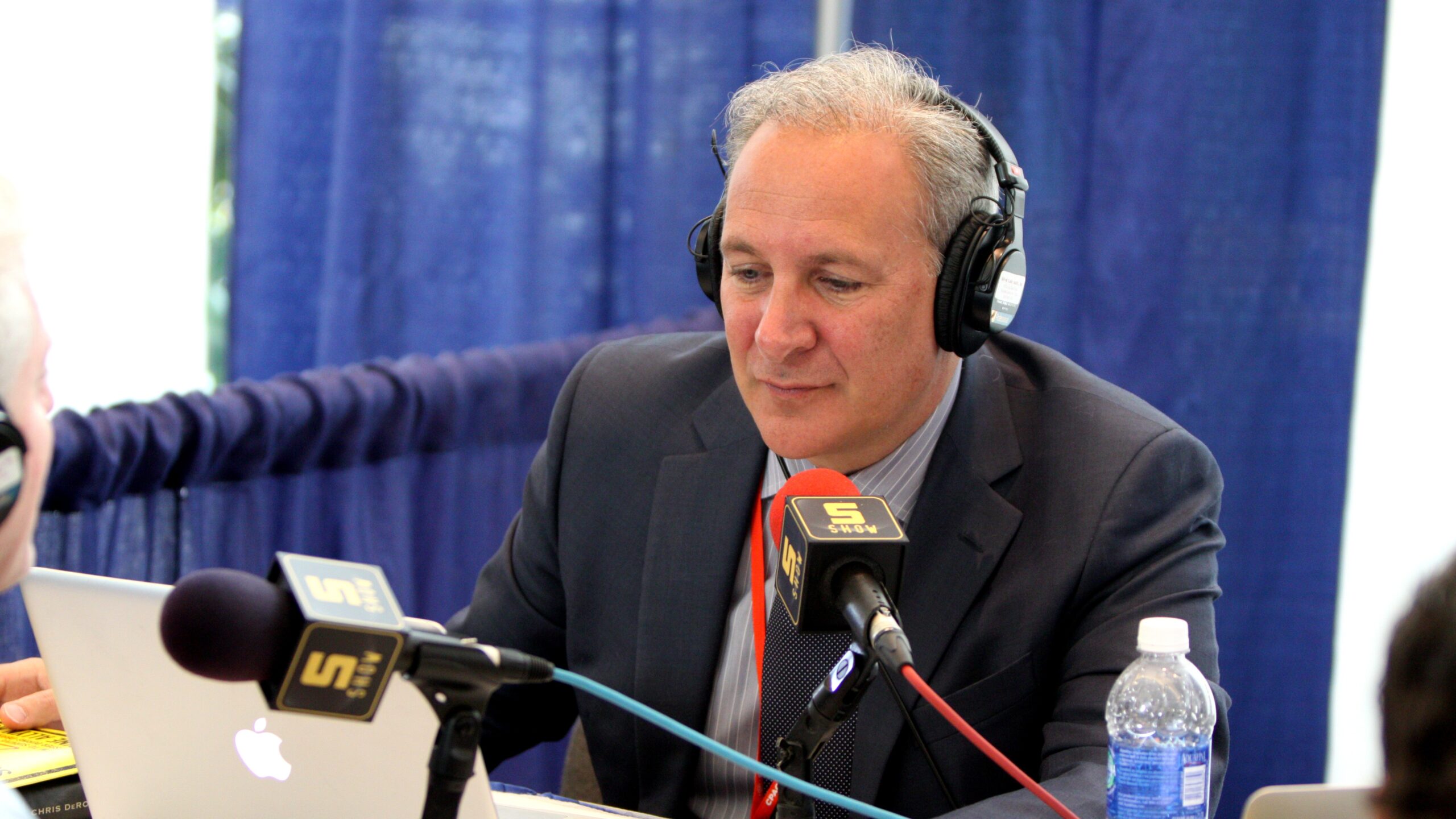
Peter Schiff is once again positioning himself as the market’s fire alarm. The economist who became famous for flagging the 2008 housing bust now argues that the real crisis has yet to arrive, and that the next downturn could be severe enough to make the Great Recession look modest by comparison. At the center of his warning is a simple claim: the United States has used debt and easy money to paper over structural problems, and the bill for that strategy is coming due in 2026.
In Schiff’s telling, the looming shock will not be a replay of subprime mortgages but a broader reckoning with the value of the Dollar itself, with gold and silver cast as the ultimate beneficiaries. That view puts him sharply at odds with the dominant faith in the resilience of President Trump’s economy and the staying power of the U.S. currency, and it raises uncomfortable questions for stock investors, homeowners and Bitcoin believers alike.
The architect of a new “Sunday school picnic” warning
Peter Schiff’s credibility with many investors rests on his early and vocal calls about the housing bubble before 2008, a track record that still features prominently when he talks about today’s risks. In a recent analysis, he argued that the United States is “headed for an economic crisis” that will make the last crash feel like a “Sunday school picnic,” a phrase that has become shorthand for the scale of pain he anticipates in the next downturn, including deep damage to household wealth and retirement savings that are heavily tied to equities and property values. That same warning stresses that governments have leaned on unprecedented money creation and deficit spending since 2008, which in his view has only delayed and amplified the eventual fallout.
Schiff’s critics often note that he has been bearish for much of the past decade, but his current message is more specific and time bound than a generic call for caution. He has framed the coming shock as a “financial crisis” inside President Trump’s economy, arguing that the apparent strength of growth and employment is masking fragilities in credit markets and public finances that will be exposed once interest costs fully reprice. In one interview, a Chief economist at Euro Pacific Asset Management warned that official narratives about stability “often don’t match reality,” a line that captures Schiff’s broader skepticism about headline data that look benign while leverage quietly builds.
Debt, monetary fatigue and the 2026 breaking point
The backbone of Schiff’s thesis is that the U.S. has reached a point where servicing its obligations will become unmanageable if borrowing costs stay elevated. He has argued that the combination of a swollen federal balance sheet and higher rates could make debt servicing “unaffordable,” forcing either painful fiscal tightening or renewed money printing that undermines confidence in the currency. In his 2026 outlook, Peter Schiff, economist of Euro Pacific Asset, links this risk directly to the trajectory of the economy, warning that conditions are “only going to get worse” as the year progresses if policymakers continue to rely on borrowing rather than structural reform.
Schiff also points to what he describes as a sharp slowdown in monetary expansion as a key stress point, arguing that markets and asset prices have become addicted to ever looser financial conditions. When that flow of liquidity decelerates, he contends, highly leveraged sectors from commercial real estate to speculative tech will struggle to refinance, triggering a cascade of defaults and forced selling. The same analysis notes that monetary expansion has, which he interprets as a sign that the era of easy money is ending just as the stock of outstanding debt is at its most vulnerable.
From Dollar dominance to a gold-centric safety valve
Where Schiff diverges most sharply from mainstream economists is in his conviction that the Dollar itself will be the epicenter of the next crisis. He has argued that foreign governments and central banks will eventually lose patience with a reserve currency backed by what he sees as unsustainable deficits, and that they will increasingly look to hard assets to anchor their monetary systems. In one recent warning, he said that Dollar to be captures the direction of travel, with the next downturn potentially worse than the one seen in 2008 because it would involve a loss of faith in the currency that underpins global trade and finance.
Schiff has been even more explicit that “the dollar is going to lose its reserve currency status,” arguing that countries will need to “back up their currencies” with tangible assets rather than promises. He sees gold as the natural anchor for that shift, both because of its historical role and because it is not tied to any single government’s fiscal policy. In that context, his claim that dollar is going be displaced is less a short term trading call than a structural forecast about how the international system will respond to repeated cycles of U.S. debt accumulation and monetary easing.
Gold, silver and the “when it gets real” timeline
Schiff’s timeline for this upheaval hinges on the behavior of precious metals markets. He has described the recent strength in bullion as a “harbinger” of a brewing financial storm, arguing that investors are quietly repositioning ahead of a more visible crisis. In one interview, Peter Schiff Says is happening now in gold and silver is a signal that the system is under strain, not a speculative bubble detached from fundamentals.
He has gone further by tying that signal to a specific window. After a strong move in metals in 2025, Schiff said that 2026 is “when it gets real” for gold and silver, suggesting that the price action will shift from a quiet accumulation phase to a more dramatic repricing as confidence in paper assets erodes. In that context, he has argued that the 2026 precious metals will not be a speculative mania but a rational response to deteriorating trust in fiat currencies.
Bitcoin, risk assets and who gets hurt first
Schiff’s skepticism is not limited to the Dollar. He has been one of the most prominent critics of Bitcoin, arguing that the cryptocurrency is a speculative asset rather than a reliable store of value in a crisis. In a recent warning, he said that the coming turmoil would hit the stock market, real estate, bonds and cryptocurrencies like Bitcoin (CRYPTO: BTC), and that people who believe digital tokens will protect them from inflation are buying into a narrative that does not match how these assets have behaved in past selloffs.
He has sharpened that critique by predicting that many crypto investors will be significantly worse off by the time the dust settles. In one interview framed around the question Will Bitcoin Holders “Substantially Poorer” in 2026, Schiff argued that a financial crash “worse than 2008” would expose the dependence of crypto prices on cheap liquidity and speculative appetite. That view runs counter to the popular idea of Bitcoin as “digital gold,” but it is consistent with his broader thesis that in a genuine funding squeeze, investors will sell what they can, not what they would like to, and that the most volatile assets will bear the brunt of forced liquidations.
More From The Daily Overview
*This article was researched with the help of AI, with human editors creating the final content.

Grant Mercer covers market dynamics, business trends, and the economic forces driving growth across industries. His analysis connects macro movements with real-world implications for investors, entrepreneurs, and professionals. Through his work at The Daily Overview, Grant helps readers understand how markets function and where opportunities may emerge.

