
Peter Schiff has issued a stark warning about the state of the US economy, suggesting it is “cooling fast” and that deficits are poised to surge. This perspective stands in sharp contrast to President Donald Trump’s assertions that the American economy is currently booming. Schiff’s comments raise questions about the true health of the economy and whether Trump’s optimistic outlook aligns with economic realities.
Economic Cooling and Deficit Surge

Peter Schiff, a well-known economic commentator, has expressed concerns about the current trajectory of the US economy. He argues that the economy is “cooling fast,” a sentiment that suggests a slowdown in economic growth and activity. Schiff’s analysis points to several indicators that he believes signal a downturn, including reduced consumer spending and slowing industrial output. These factors, according to Schiff, are contributing to a broader economic deceleration that could have significant implications for future growth prospects.
In addition to his warnings about economic cooling, Schiff has highlighted the potential for a surge in US deficits. He argues that as the economy slows, government revenues may decline, leading to increased borrowing and larger deficits. This scenario could exacerbate existing fiscal challenges and put additional pressure on policymakers to address the growing national debt. Schiff’s warnings serve as a cautionary note about the potential fiscal consequences of an economic slowdown, emphasizing the need for prudent economic management and policy adjustments.
Schiff’s analysis further delves into the potential impact of rising interest rates on the economy. As borrowing costs increase, both consumers and businesses may face higher expenses, which could dampen spending and investment. This scenario might lead to a contraction in economic activity, further exacerbating the cooling trend. Additionally, Schiff points to the possibility of a credit crunch, where tighter lending standards could restrict access to capital, hindering economic growth.
Moreover, Schiff highlights the role of international trade dynamics in influencing the US economy. With ongoing trade tensions and tariff disputes, export-driven industries might experience reduced demand, affecting overall economic performance. These external factors, combined with domestic challenges, underscore the complexity of the economic landscape and the need for strategic policy interventions to mitigate potential downturns.
Trump’s Booming Economy Claims
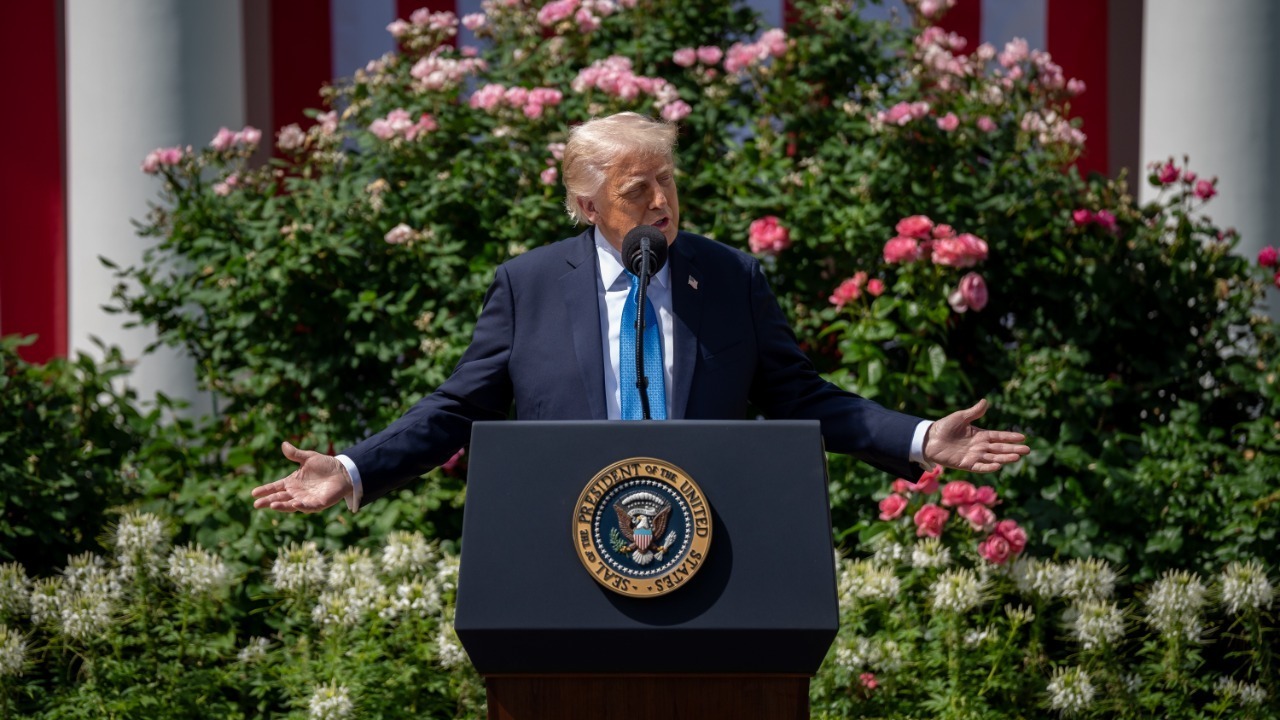
In contrast to Schiff’s warnings, President Donald Trump has recently claimed that the US economy is experiencing a boom. Trump has pointed to strong job numbers, rising stock markets, and robust consumer confidence as evidence of a thriving economy. These claims are part of a broader narrative that the administration has promoted, highlighting economic achievements and growth under Trump’s leadership. However, the validity of these claims is subject to scrutiny, particularly in light of Schiff’s contrasting assessment.
To evaluate Trump’s claims, it is essential to examine key economic indicators and expert analyses. While some metrics, such as low unemployment rates and stock market performance, may support the notion of economic strength, other indicators suggest potential vulnerabilities. For instance, rising inflation and concerns about wage stagnation could undermine the sustainability of economic growth. The divergence between Trump’s optimistic outlook and Schiff’s cautionary warnings underscores the complexity of assessing economic health and the importance of considering a range of perspectives.
President Trump’s assertions of a booming economy are bolstered by recent tax reforms and deregulation efforts, which his administration claims have spurred business investment and job creation. The Tax Cuts and Jobs Act, for instance, is credited with providing corporations with additional capital to expand operations and hire more workers. Supporters of Trump’s economic policies argue that these measures have contributed to sustained economic momentum and increased competitiveness on the global stage.
However, critics of Trump’s economic narrative caution that the benefits of these policies may be unevenly distributed, with wealthier individuals and large corporations reaping the most significant gains. This disparity raises concerns about income inequality and the long-term sustainability of growth. Furthermore, the reliance on fiscal stimulus through tax cuts could lead to increased deficits, challenging the administration’s claims of fiscal responsibility and economic prudence.
Expert Opinions and Economic Indicators
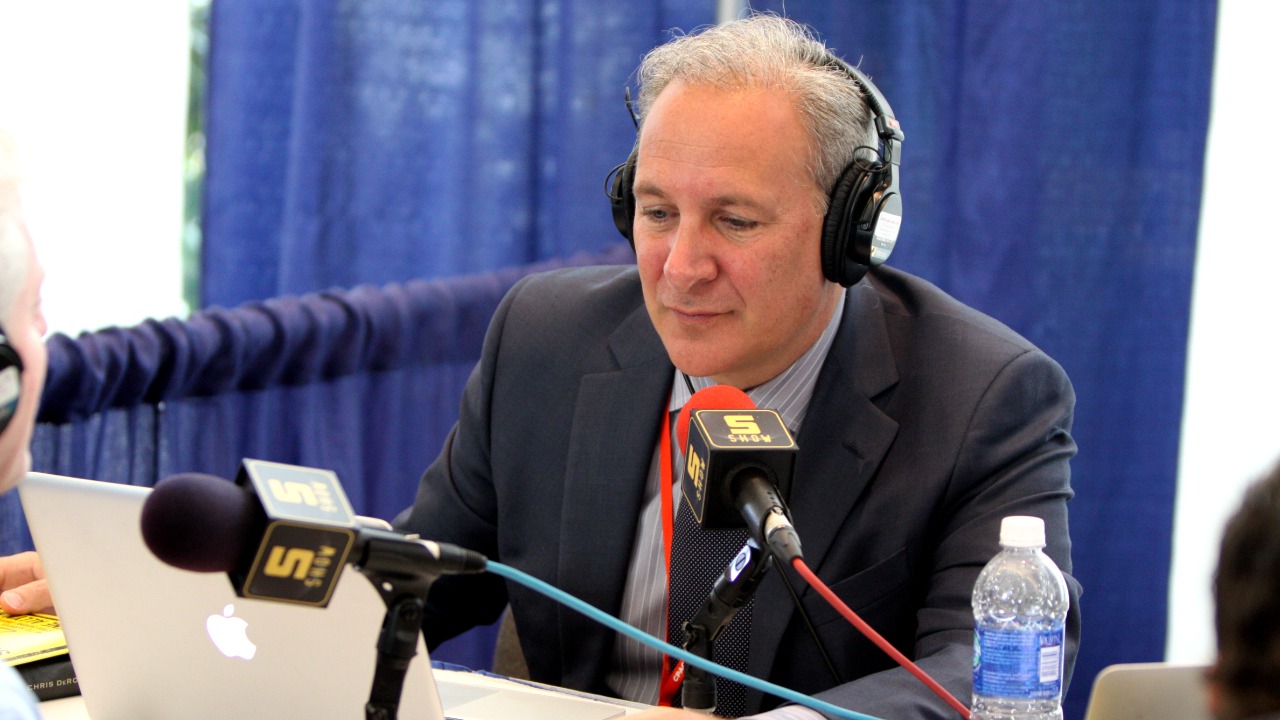
Expert opinions on the current state of the US economy vary, with some analysts aligning with Schiff’s warnings while others support Trump’s optimistic view. Economists who share Schiff’s concerns point to factors such as declining manufacturing output and weakening global demand as signs of a potential slowdown. These experts argue that without proactive measures, the economy could face significant challenges in maintaining growth and stability.
Conversely, some analysts believe that the economy remains resilient and capable of sustaining growth. They cite strong consumer spending and technological innovation as drivers of economic expansion. However, even among these experts, there is acknowledgment of potential risks, such as geopolitical tensions and policy uncertainties, that could impact future economic performance. A comprehensive review of key economic indicators, including GDP growth, inflation rates, and trade balances, is crucial to understanding the broader economic landscape and determining whether the economy is truly booming or cooling.
For more detailed insights into Peter Schiff’s warnings and Donald Trump’s economic claims, you can read the full article on MSN.
In examining the broader economic context, experts emphasize the importance of monitoring labor market trends. While low unemployment rates are often cited as a sign of economic health, some analysts warn that underemployment and job quality issues persist. The rise of gig economy jobs and part-time work may mask underlying weaknesses in the labor market, affecting wage growth and economic security for many workers.
Additionally, the housing market serves as a critical indicator of economic vitality. Recent fluctuations in housing prices and sales volumes could signal shifts in consumer confidence and financial stability. Analysts note that housing affordability challenges, driven by rising interest rates and limited supply, could constrain consumer spending and impact broader economic growth. These factors highlight the need for a nuanced understanding of economic indicators to accurately assess the state of the US economy.

Grant Mercer covers market dynamics, business trends, and the economic forces driving growth across industries. His analysis connects macro movements with real-world implications for investors, entrepreneurs, and professionals. Through his work at The Daily Overview, Grant helps readers understand how markets function and where opportunities may emerge.

