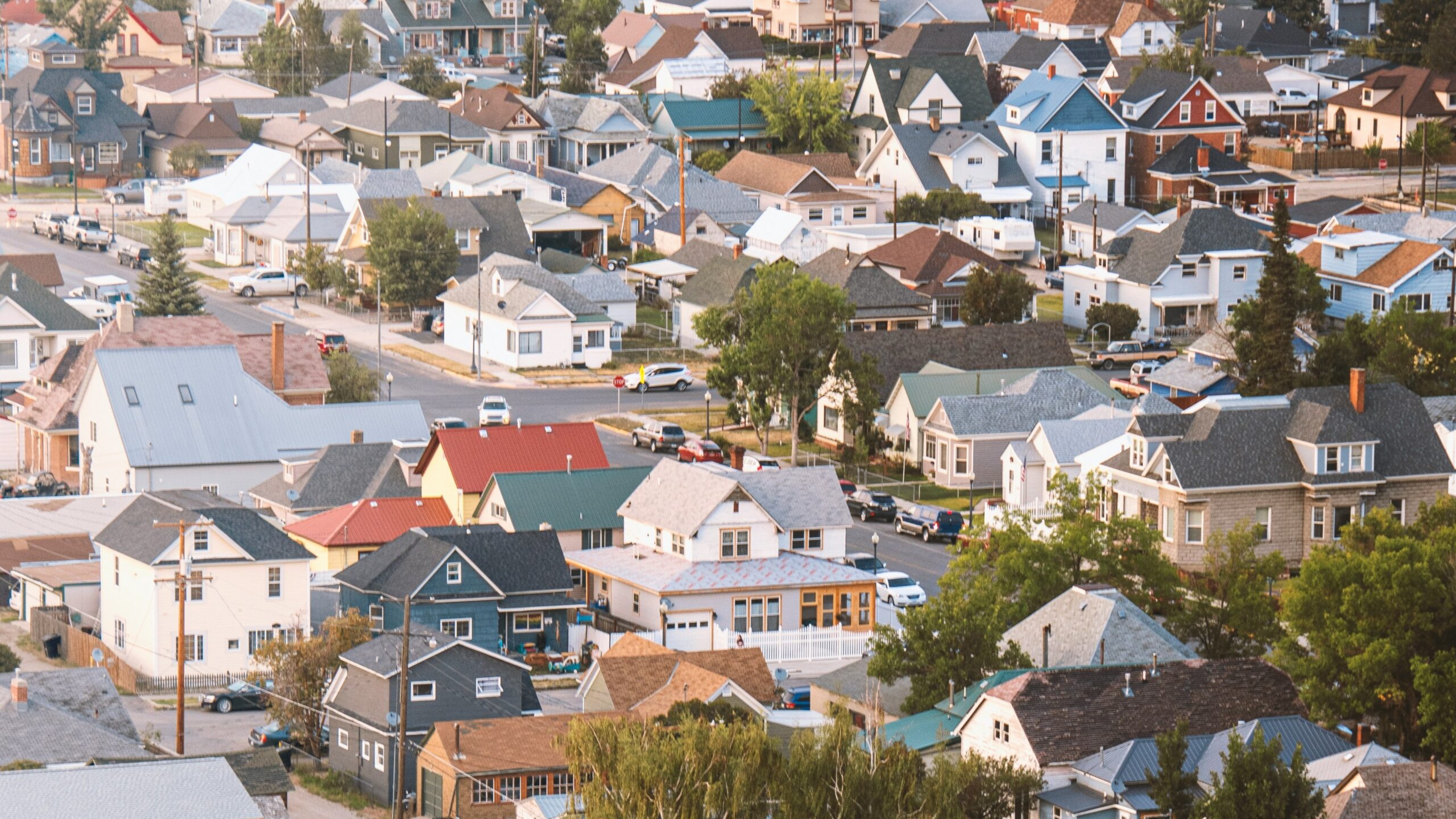
Young Americans trying to buy their first home are hitting a wall of rising costs, scarce inventory, and mortgage rates that remain stubbornly above six percent. The share of first-time buyers in the market has dropped to a record low, and the typical age of a new homeowner keeps climbing. For a generation that watched parents build wealth through real estate, the math no longer works the same way, and the psychological toll is starting to show.
Ownership Costs Keep Pulling Away From Wages
The sticker shock of monthly mortgage payments tells much of the story. Median monthly costs for homeowners carrying a mortgage climbed to $2,035 in 2024, up from an inflation-adjusted $1,960 the year before, according to American Community Survey estimates from the U.S. Census Bureau. That roughly four-percent jump in a single year compounds the damage of a decade in which home prices have outrun income growth in most metro areas. Insurance premiums, property taxes, and maintenance costs have all risen alongside the mortgage itself, squeezing household budgets from multiple directions at once and leaving less room for retirement savings or emergency funds.
Home values, meanwhile, show no sign of retreating to levels that would ease the burden. The Case‑Shiller index recorded a 2.7% annual gain in April 2025, a slower pace than the double‑digit surges seen earlier in the pandemic but still a clear increase on top of already elevated prices. Separate data from the Federal Housing Finance Agency show national prices up 4.0% over the prior year through the first quarter of 2025, with another 0.7% gain just from the end of 2024. Two independent benchmarks pointing in the same direction underscore that the affordability gap is structural rather than a short‑lived blip, especially in markets where local wages have barely inched forward.
First-Time Buyers Pushed to the Margins
The clearest evidence that young adults are losing ground comes from who is actually closing deals. The first‑time home buyer share fell to a historic low of 21% for transactions completed between July 2024 and June 2025, and the median age of a first‑time buyer rose to 40, according to the national Realtors survey. A generation ago, buying a starter home in one’s late twenties was common. Now, the typical first‑time purchaser has spent an extra decade renting, saving, and waiting for conditions that never quite arrive (often competing with older buyers bringing cash offers or large down payments built from years of accumulated equity).
While many millennials have eventually managed to buy, the path took far longer than it did for their parents, and that delay carries a hidden cost: fewer years of equity accumulation, less time for property values to compound, and a weaker financial cushion heading into retirement. Younger households also face tighter underwriting standards and higher student loan balances than earlier cohorts, which can make it harder to qualify for a mortgage even when incomes look sufficient on paper. For Gen Z, the timeline could stretch even further unless something fundamental changes in either supply, pricing, or credit conditions, raising the prospect that homeownership becomes less a broad middle‑class norm and more a selective privilege.
A Market That Feels Locked From the Inside
The national homeownership rate stood at 65.7% in late 2025, a figure that has barely moved in recent years despite a growing population of young adults. That flat line masks a deeper divide: existing homeowners, many of whom locked in mortgage rates below four percent during the pandemic era, have little incentive to sell and re‑enter a market where borrowing costs have nearly doubled. With the 30‑year fixed mortgage hovering above six percent, a move across town can mean trading a comfortable payment for one that is hundreds of dollars higher each month, even if the new home is similar in size and location.
This lock‑in effect shrinks the pool of available homes precisely when demand from younger households is high. Harvard’s housing researchers have tied today’s crunch to chronic supply shortages layered on top of rising renter cost burdens, a combination that hits adults under 35 hardest because they are overwhelmingly tenants rather than owners. With fewer listings coming to market, entry‑level buyers are pushed toward longer commutes, smaller properties, or shared ownership arrangements with family or friends. The result is a system that feels closed from the inside: those who already own can sit tight and watch their equity grow, while those still outside struggle to find a door that is even open, let alone affordable.
Sentiment Sours as Affordability Worsens
As the numbers have deteriorated, attitudes about buying a home have darkened as well. In its latest housing survey, the Federal Reserve reported that a growing share of renters now see owning as unaffordable for them, with many citing down payments and monthly costs as insurmountable barriers. The Fed’s household well‑being report found that younger adults in particular are pessimistic about their chances of buying, even if they aspire to own someday. That pessimism shows up in responses about financial security more broadly, with non‑homeowners far less likely than owners to say they are “doing okay” financially.
Private‑sector gauges tell a similar story. A recent consumer sentiment index from Fannie Mae showed that while overall views on the economy have nudged higher, perceptions of housing affordability remain deeply negative. Most respondents still say it is a bad time to buy, primarily because of high prices and mortgage rates, and relatively few expect conditions to improve in the near term. For young adults watching home values climb further out of reach, that disconnect between a broadly stable economy and a personally inaccessible housing market reinforces the sense that the system is working for someone else.
Hopelessness Is Changing Financial Behavior
When homeownership feels unreachable, the ripple effects go well beyond housing. A recent analysis described the housing crunch as a crisis of hopelessness, noting that some young Americans are giving up on traditional saving, spending more freely, and turning to riskier investments like cryptocurrency in search of the kind of windfall a down payment now requires. That behavioral shift can make sense on an individual level: if disciplined saving toward a conventional 20‑percent down payment seems futile, the opportunity cost of speculative bets or lifestyle splurges feels smaller, even if the long-term math is unfavorable.
Financial counselors warn that this response can create a feedback loop, where despair about housing leads to choices that further erode balance sheets and widen the gap between owners and non‑owners. Instead of building modest but reliable savings, some would‑be buyers end up with volatile portfolios and higher consumer debt, leaving them even less prepared when an opportunity to purchase does arise. At the same time, the emotional strain of feeling locked out of a core marker of adulthood and stability can spill into work, family planning, and community life. Unless policymakers and industry leaders find ways to expand supply, lower structural costs, or otherwise reopen the path to ownership, the housing market risks leaving an entire generation convinced that the door to the American dream has quietly closed behind their parents.
More From The Daily Overview
*This article was researched with the help of AI, with human editors creating the final content.

Elias Broderick specializes in residential and commercial real estate, with a focus on market cycles, property fundamentals, and investment strategy. His writing translates complex housing and development trends into clear insights for both new and experienced investors. At The Daily Overview, Elias explores how real estate fits into long-term wealth planning.