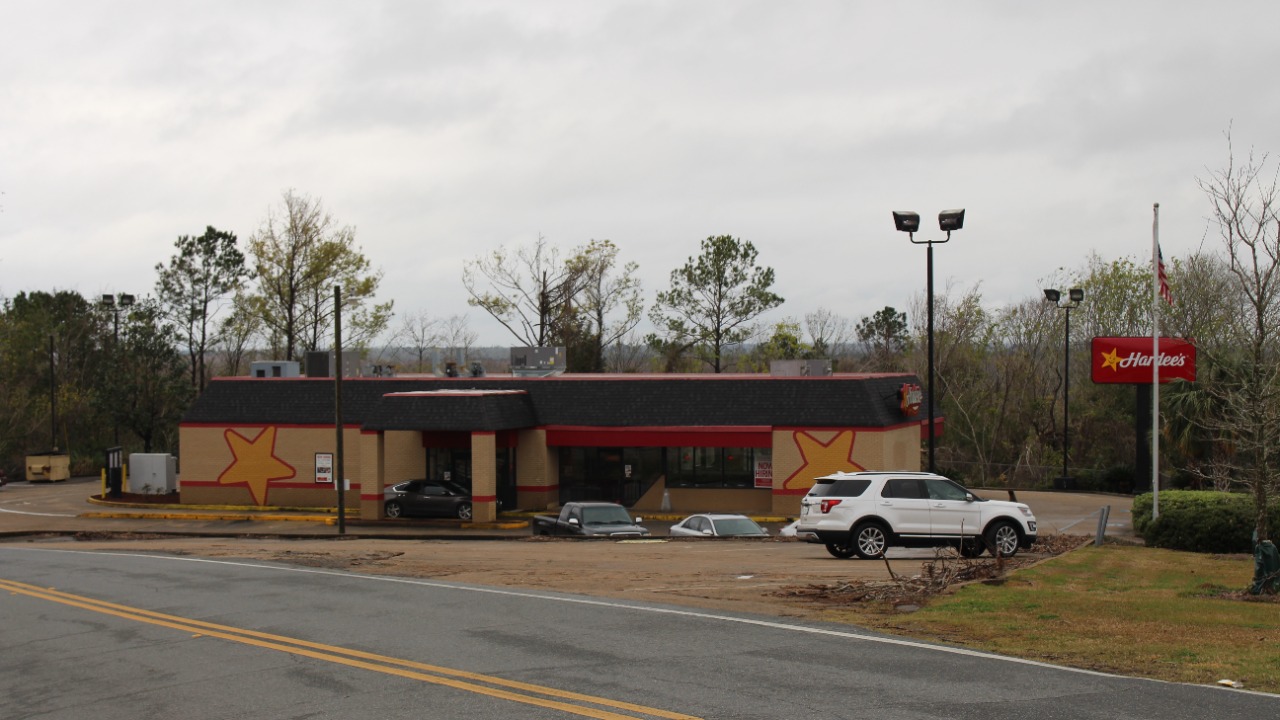
Across the United States, some of the most recognizable restaurant brands are suddenly going dark, even as dining rooms in other concepts stay packed. The abrupt shutdown of dozens of locations at a popular fast-food rival to McDonald’s is only the latest sign that a new dining trend is reshaping where people eat and which chains survive. I see a clear split emerging between brands that can adapt to value-driven, convenience-first habits and those still built for an era of leisurely, sit-down meals.
Behind every “closed” sign is a mix of rising costs, shifting tastes, and aggressive new competitors that are winning on speed and perceived value. The closures now hitting legacy burger joints, casual-dining stalwarts, and even some fast-casual players show how quickly the ground is moving under the industry’s feet.
Hardee’s shock closures and the new reality for legacy fast food
The most dramatic example of sudden retrenchment is the McDonald’s rival that recently shuttered a large block of restaurants almost overnight. A Popular fast-food chain abruptly closed 77 locations across 8 states, a sweeping move tied to a legal dispute over contract agreements that left franchisees and workers scrambling. When a brand with decades of history can pull the plug on 77 outlets at once, it signals how unforgiving the current environment has become for operators that rely heavily on older real estate and franchise structures.
These closures are not an isolated fluke but part of a broader pattern of chains pruning underperforming stores to protect the rest of the system. Reporting on Restaurant Chains Are 2026 highlights how several familiar brands are already on watch lists, with some expected to shed a noticeable share of U.S. locations this year. In my view, the Hardee’s shock is a warning shot for any legacy fast-food player that has been slow to modernize menus, drive-thrus, and digital ordering while newer competitors race ahead.
Fast-casual under pressure: Noodles & Company and NDLS retrench
The fast-casual segment, once seen as the safe middle ground between cheap burgers and full-service dining, is also feeling the squeeze. Noodles & Company has already been closing restaurants and now plans more cuts as it tries to reset its footprint. The chain has told investors it is energized by its progress heading into 2026, even as it prepares to shutter additional units after earlier closures, a strategy detailed in coverage of the Noodles & Company plan to close dozens of locations.
Financial strain is evident in the ticker symbol NDLS, where investors have been told that the company will close more locations after already shutting down dozens in 2025. Reporting on a Popular restaurant chain notes that NDLS is trimming both company-owned and franchised restaurants as part of a broader restructuring. A separate analysis of Multiple fast-food and casual dining chains underscores that Noodles & Company is not alone, with several brands using 2026 as a deadline to wrap up multi-year closure programs.
Bankruptcy watchlists and the chains most at risk
While some brands are proactively pruning, others are teetering on the edge of deeper trouble. A detailed rundown of Restaurants Are Most Likely To Go Bankrupt and Close
Another red flag is the fallout from aggressive acquisitions that did not pay off. Jack in the Box, referred to in one analysis simply as Jack, is still dealing with the consequences of its Del Taco purchase, which resulted in losses exceeding $400 m, or $400 million, according to a breakdown of Jack in the Box and other at-risk chains. The company has tried to reassure investors with a “Jack on Track” recovery plan, but the scale of those losses shows how a single misstep can push a chain onto bankruptcy watchlists when margins are already thin.
Casual dining’s reckoning as new dining habits take hold
Casual dining, the sit-down middle tier that once defined family nights out, is facing some of the toughest headwinds. A social media explainer on a string of high-profile restaurant closures notes that many of the most visible shutdowns involve casual dining establishments, which has fueled a perception that the entire industry is collapsing. In reality, the broader restaurant sector is still growing, but the pain is concentrated in concepts that rely on full-service labor, large dining rooms, and check sizes that no longer feel like a bargain to stretched households.
Economic reporting on Casual and fast-food chains describes a tough economy that is creating clear winners and losers. Casual players such as Chili and Olive Gar are under pressure as diners trade down to cheaper formats or opt for takeout from fast-casual and quick-service brands that feel like a better value. At the same time, value-focused giants like McDonald’s and nimble fast-casual operators are benefiting from customers who still want to eat out but are more selective about where every dollar goes.
Regional closures and the quiet retreat of once-familiar names
Beyond the headline-grabbing national brands, a quieter wave of regional retrenchment is reshaping local dining maps. In New England, the Norwood-based chain Uno Pizzeria and Grill has suddenly closed multiple locations, including three restaurants in Massachusetts, according to local coverage of Uno Pizzeria & Grill’s recent pullback. For communities that grew up with these sit-down pizza spots as neighborhood fixtures, the closures are a stark reminder that even mid-sized regional players are not immune to the same cost and traffic pressures hitting national chains.
Other brands are trimming more quietly but just as decisively. A rundown of Restaurant Chains Planning U.S. Location Closures in 2026 notes that Noodles & Company is among seven chains preparing to close restaurants, with images credited to Dwight Burdette highlighting how widespread the brand’s footprint has become. When a chain with that kind of national reach starts pruning, it can leave noticeable gaps in suburban retail corridors that were once anchored by a predictable mix of casual and fast-casual names.
More From TheDailyOverview
*This article was researched with the help of AI, with human editors creating the final content.

Grant Mercer covers market dynamics, business trends, and the economic forces driving growth across industries. His analysis connects macro movements with real-world implications for investors, entrepreneurs, and professionals. Through his work at The Daily Overview, Grant helps readers understand how markets function and where opportunities may emerge.

