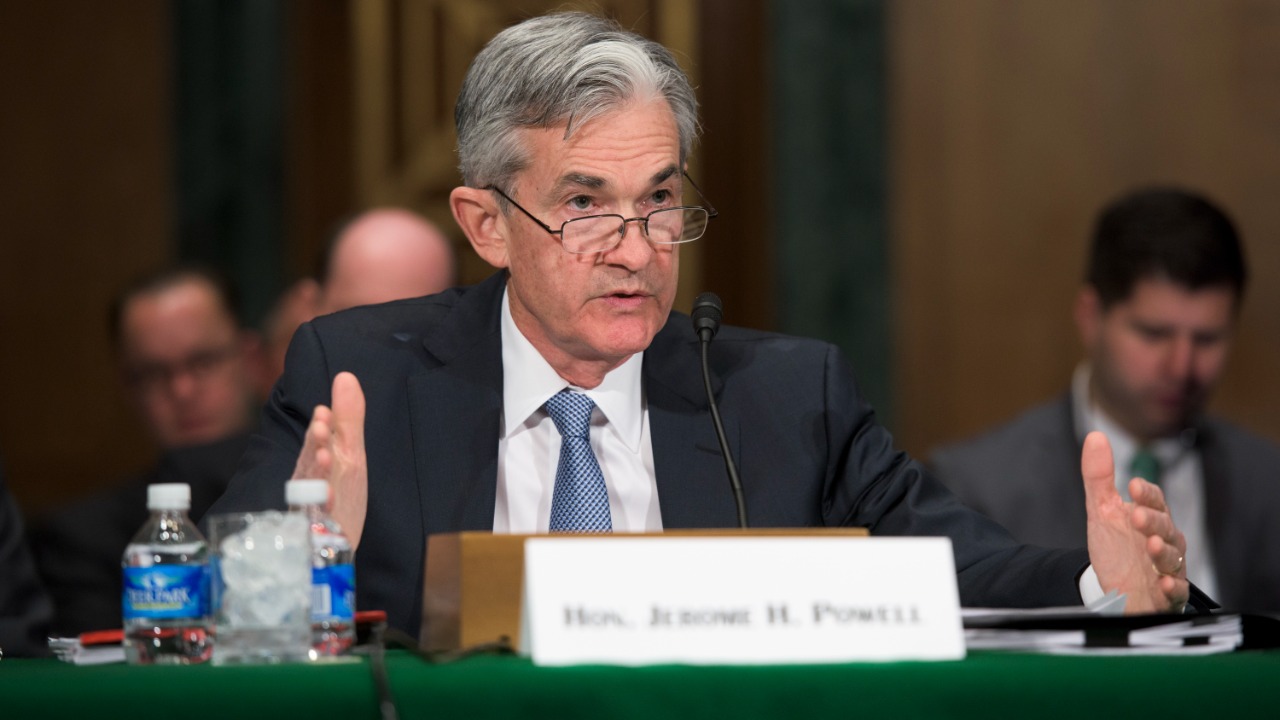
Federal Reserve Chair Jerome Powell recently announced a decision to cut interest rates, attributing this move primarily to a weakening job market. Powell emphasized the risks posed by labor market instability and broader economic challenges, particularly in the context of persistent inflation concerns. This decision follows earlier signals from Powell that the Federal Reserve was contemplating a rate cut due to these labor market issues.
The State of the Job Market

Jerome Powell has underscored the weakening job market as a pivotal factor in the Federal Reserve’s decision to reduce interest rates. According to Forbes, Powell’s assessment highlights significant labor market risks that threaten economic stability. The Federal Reserve’s policy shift reflects concerns that a fragile job market could undermine economic growth, necessitating a proactive approach to monetary policy.
Powell’s remarks have drawn attention to the broader implications of labor market weakness. As reported by Türkiye Today, the decision to cut rates is seen as a response to these vulnerabilities, aiming to bolster economic resilience. The labor market’s condition has been a critical consideration for the Federal Reserve, influencing its strategic decisions to support economic recovery.
The current job market is characterized by a notable slowdown in hiring across various sectors, with some industries experiencing layoffs and hiring freezes. According to Forbes, this trend has been exacerbated by global economic uncertainties and domestic policy shifts, which have collectively contributed to a cautious approach among employers. The Federal Reserve’s decision to cut interest rates is aimed at stimulating economic activity by making borrowing cheaper, thereby encouraging businesses to invest and hire more aggressively.
Moreover, the labor force participation rate has shown signs of stagnation, with fewer individuals actively seeking employment. This is partly due to demographic shifts and the lingering effects of the pandemic, which have altered workforce dynamics. As reported by Türkiye Today, the Federal Reserve’s intervention is seen as a necessary measure to counteract these trends and support a more robust recovery in the job market.
Inflation and Economic Challenges

The decision to cut interest rates comes amid ongoing concerns about inflation. As noted by CFO Dive, Powell’s announcement reflects the Federal Reserve’s efforts to navigate complex economic challenges. The interplay between inflationary pressures and job market conditions has been a significant factor in shaping the Federal Reserve’s approach to interest rates.
Powell’s announcement, as detailed by Politico Pro, highlights the delicate balance the Federal Reserve must maintain in addressing inflation while supporting economic growth. The decision to cut rates underscores the need to mitigate inflationary risks without stifling economic momentum. This strategic move aims to provide a buffer against potential economic downturns, ensuring stability in uncertain times.
Inflation remains a persistent concern for policymakers, as rising prices continue to affect consumer purchasing power and business costs. The Federal Reserve’s decision to cut interest rates is partly an attempt to counteract these inflationary pressures by stimulating economic growth. According to CFO Dive, the interplay between inflation and economic growth is complex, with the Federal Reserve needing to balance the risks of high inflation against the potential for economic stagnation.
Additionally, geopolitical tensions and trade policies, including tariffs, have contributed to economic uncertainty, further complicating the Federal Reserve’s task. As detailed by Politico Pro, these factors have led to volatility in global markets, impacting domestic economic conditions. The rate cut is intended to provide a cushion against these external shocks, ensuring that the U.S. economy remains resilient in the face of ongoing challenges.
Response to Powell’s Announcement

The announcement of the interest rate cut has sparked significant discussion among economic analysts and policymakers. As reported by Politico, the Federal Reserve’s signals regarding interest rate adjustments have been closely monitored. Analysts are evaluating the implications of this decision for the future direction of U.S. monetary policy, considering the broader economic context.
Reactions to Powell’s decision reflect broader concerns about the state of the U.S. economy. According to Türkiye Today, the move has prompted discussions about the effectiveness of monetary policy in addressing current economic challenges. The Federal Reserve’s actions are seen as a critical step in ensuring economic stability, with stakeholders closely watching for further developments in the coming months.
Economic analysts have expressed a range of opinions on the implications of Powell’s announcement. Some view the rate cut as a necessary step to preempt a potential economic downturn, while others caution that it may not be sufficient to address the underlying structural issues in the economy. As reported by Politico, the decision has sparked debate over the effectiveness of monetary policy in the current economic climate, with some experts advocating for additional fiscal measures to complement the Federal Reserve’s actions.
Furthermore, the announcement has prompted discussions about the long-term trajectory of U.S. monetary policy. Stakeholders are closely monitoring how the Federal Reserve’s strategies will evolve in response to changing economic indicators. According to Türkiye Today, the focus is now on how these policies will impact consumer confidence and business investment, both critical components of sustained economic growth.

Grant Mercer covers market dynamics, business trends, and the economic forces driving growth across industries. His analysis connects macro movements with real-world implications for investors, entrepreneurs, and professionals. Through his work at The Daily Overview, Grant helps readers understand how markets function and where opportunities may emerge.