Gold prices have been on a remarkable upward trajectory, reaching unprecedented heights. Several factors have contributed to this sustained rally, making gold an attractive investment option for many. From central bank rate cuts to economic uncertainties and increased demand from China, each element plays a crucial role in driving gold’s value to new records.
Central Bank Rate Cuts
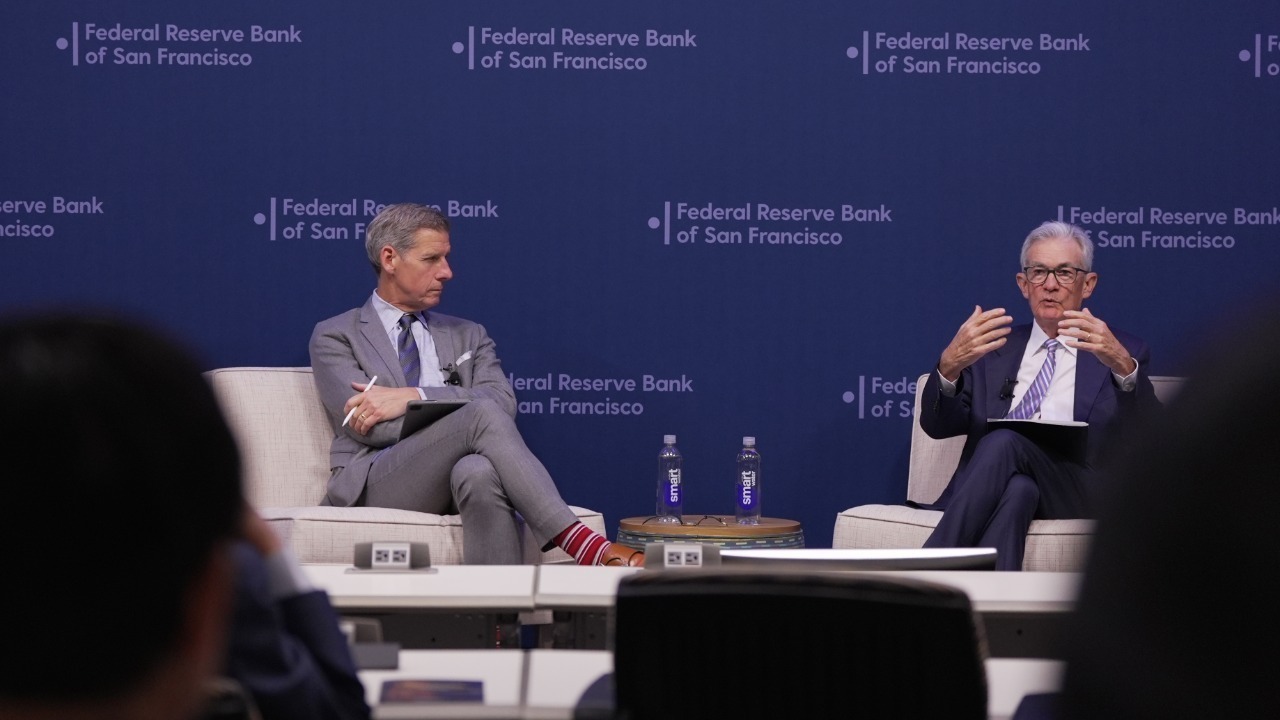
The recent trend of central banks cutting interest rates has been a significant driver behind the surge in gold prices. Notably, the Federal Reserve’s decision to lower rates has reduced the opportunity cost of holding non-yielding bullion, making gold more appealing to investors. As interest rates decrease, the returns on bonds and other fixed-income investments diminish, prompting investors to seek alternative stores of value like gold. This shift in investment strategy has been a key factor in gold’s record-breaking performance according to Business Insider.
Moreover, the global economic landscape has seen a wave of rate cuts from central banks worldwide, further amplifying gold’s allure. With lower rates, currencies tend to weaken, which can lead to inflationary pressures. In such scenarios, gold is often perceived as a hedge against inflation, driving demand even higher. This dynamic has been particularly evident in recent months, as investors flock to gold amidst fears of economic instability and currency devaluation.
Additionally, the psychological impact of rate cuts cannot be underestimated. When central banks signal a willingness to lower rates, it often indicates concerns about economic growth and stability. This perception can lead to increased market volatility, prompting investors to seek the relative safety of gold. As a result, the ongoing trend of rate cuts has created a favorable environment for gold prices to continue their upward trajectory, reinforcing its status as a safe haven asset.
In addition to the direct financial impacts, central bank rate cuts have broader implications for global economic confidence. When major economies like the United States or the European Union lower their rates, it often signals a proactive approach to stave off recessionary pressures. This can lead to a domino effect where other nations follow suit, creating a synchronized global monetary easing environment. Such conditions are ripe for gold to thrive, as investors worldwide look for stable assets amidst fluctuating currency values and potential inflationary spirals. The interconnectedness of global markets means that a rate cut in one region can have ripple effects, influencing investor behavior and gold demand across continents.
Furthermore, historical trends show that periods of aggressive rate cuts often coincide with increased geopolitical tensions or economic crises. During these times, gold’s role as a non-correlated asset becomes even more pronounced. Investors, wary of traditional equities and bonds, turn to gold not just for its intrinsic value but also for its ability to preserve wealth during turbulent times. This cyclical pattern reinforces the metal’s enduring appeal, particularly when central banks are perceived as running out of conventional tools to stimulate growth.
Economic Uncertainty and Tariffs
Economic uncertainty has been another critical factor driving the surge in gold prices. The global economy has been grappling with various challenges, including trade tensions and tariffs, particularly those initiated under the Trump administration. These trade disputes have created significant market volatility, prompting investors to seek refuge in gold as a safe haven asset. The ongoing trade war has further exacerbated these uncertainties, leading to increased demand for gold as reported by NPR.
The imposition of tariffs has disrupted global supply chains and increased costs for businesses, contributing to economic instability. As a result, investors have become more risk-averse, turning to gold as a means of preserving wealth amidst the turmoil. This trend has been particularly pronounced in recent years, as geopolitical tensions and protectionist policies have heightened fears of a global economic slowdown.
Furthermore, the uncertainty surrounding future trade policies and their potential impact on economic growth has added to the allure of gold. Investors are increasingly concerned about the long-term implications of these trade disputes, leading them to diversify their portfolios with assets that can withstand economic shocks. Gold, with its historical reputation as a store of value, has emerged as a preferred choice for those seeking stability in uncertain times.
Beyond the immediate effects of tariffs, the broader geopolitical landscape has contributed to economic uncertainty, further driving gold prices. The rise of populist movements and shifts in traditional alliances have created an unpredictable environment for international trade. As countries reassess their trade agreements and economic partnerships, the potential for sudden policy changes looms large, unsettling markets. This unpredictability has made gold an attractive option for investors seeking to hedge against potential economic disruptions.
Additionally, the impact of tariffs extends beyond direct economic measures, influencing consumer sentiment and business confidence. As companies face higher costs and supply chain disruptions, their ability to invest and expand becomes constrained. This can lead to slower economic growth, prompting central banks to consider further monetary easing, which, as previously noted, benefits gold. The interplay between tariffs, economic policy, and investor sentiment creates a complex backdrop where gold’s stability becomes increasingly valuable.
China’s Increased Demand

China’s growing demand for gold has also played a significant role in the metal’s price surge. As the world’s largest consumer of gold, China’s economic policies and market dynamics have a profound impact on global gold prices. The country’s increasing appetite for gold, both for investment purposes and as a hedge against inflation, has contributed to the metal’s upward trajectory. This trend has been highlighted in reports from AOL.
China’s economic policies have encouraged increased gold purchases, further propelling its price to record highs. The government’s efforts to diversify its foreign reserves and reduce reliance on the US dollar have led to a surge in gold acquisitions. Additionally, the growing middle class in China has fueled demand for gold jewelry and investment products, adding to the overall demand for the precious metal.
Moreover, China’s strategic initiatives, such as the Belt and Road Initiative, have increased its influence in global markets, further impacting gold prices. As China continues to expand its economic footprint, its demand for gold is likely to remain robust, supporting the metal’s sustained rally. This increased demand from China, coupled with other global factors, underscores the multifaceted nature of gold’s record-breaking hot streak.
China’s influence on the global gold market extends beyond mere consumption. The country’s strategic economic initiatives, such as increasing its gold reserves, reflect a broader strategy to assert its financial independence and reduce vulnerability to external economic pressures. By accumulating gold, China not only diversifies its reserves but also strengthens its position in global financial negotiations. This strategic accumulation is a clear signal to the world of China’s intent to play a more dominant role in setting the terms of international trade and finance.
Moreover, the cultural significance of gold in China cannot be overlooked. Gold is deeply embedded in Chinese traditions, symbolizing wealth and prosperity. This cultural affinity ensures a steady domestic demand, which, when combined with economic factors, amplifies the global impact of China’s gold consumption. As the Chinese economy continues to grow and evolve, the demand for gold is expected to remain robust, further supporting its price trajectory. The combination of strategic economic policies and cultural factors makes China’s role in the gold market both unique and influential.

Grant Mercer covers market dynamics, business trends, and the economic forces driving growth across industries. His analysis connects macro movements with real-world implications for investors, entrepreneurs, and professionals. Through his work at The Daily Overview, Grant helps readers understand how markets function and where opportunities may emerge.