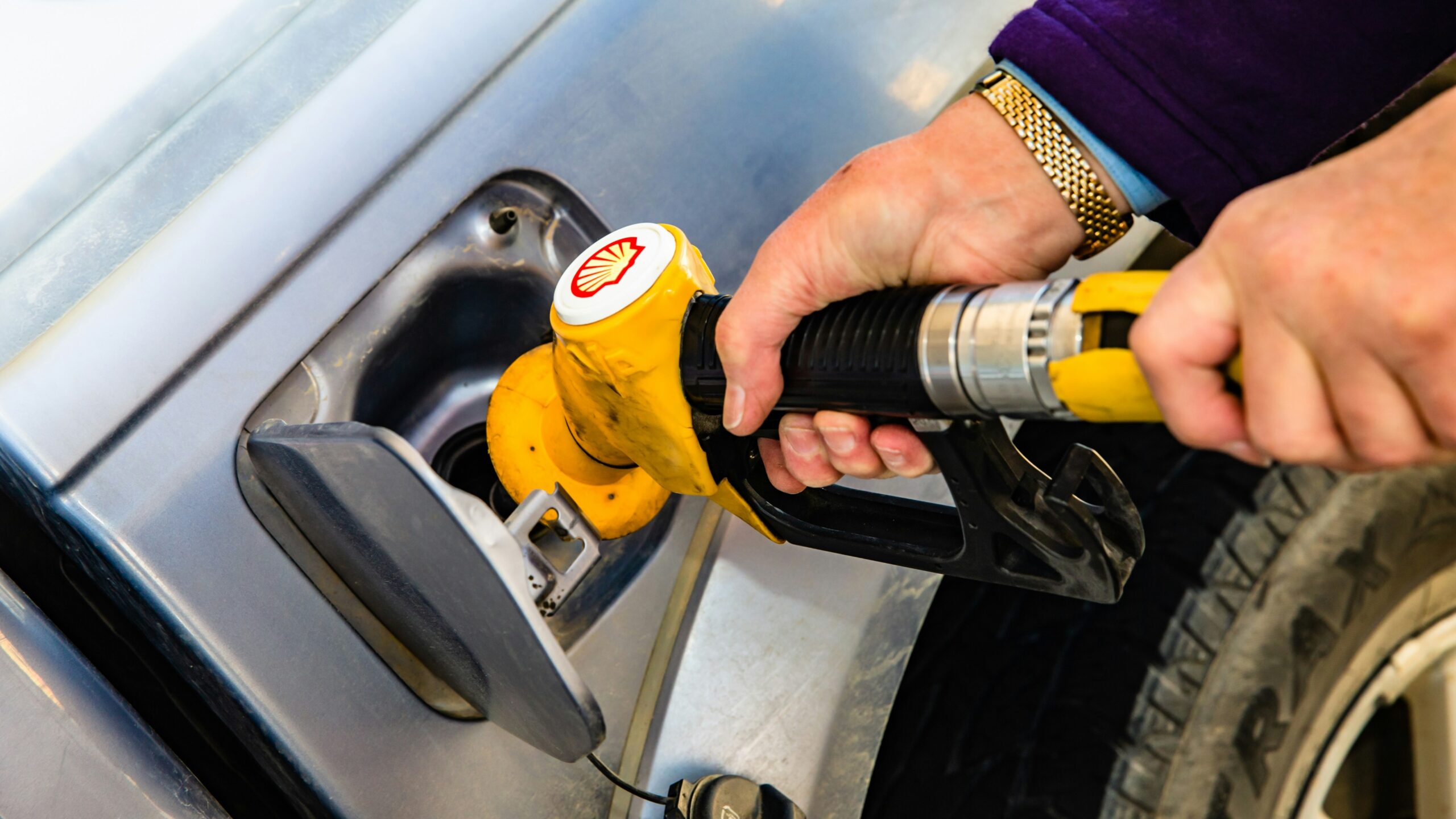
California drivers face some of the highest state-imposed fuel charges in the country, and the gap has remained large. A combination of excise taxes, sales levies, and other state-imposed costs has turned the Golden State into a case study in how policy can inflate the price at the pump. While many states nudged their gas taxes upward over the past year, California’s layered approach stands apart, with state-level taxes and fees that can add well over 70 cents per gallon depending on the retail price and location.
Those layers are not accidental. Lawmakers and regulators have deliberately built a system that ties road funding and climate policy to each gallon of fuel sold. The result is a complex stack of visible and hidden charges that are difficult for consumers to disentangle. Understanding why California gasoline routinely tops national price charts requires unpacking the excise tax, sales tax, prepayment system, and environmental programs that together shape what drivers see on station marquees.
California’s Excise Tax Keeps Climbing
The single largest line item on a California driver’s invisible fuel receipt is the state excise tax. The state fuel tax schedule sets the motor vehicle fuel excise tax at 61.2 cents per gallon effective July 1, 2025. That rate does not stay fixed. State law ties the excise to annual Consumer Price Index adjustments, which means the per-gallon charge ratchets upward automatically each year without requiring a new legislative vote. Because the rate is indexed, the per-gallon charge can rise over time without a new legislative vote, keeping California’s excise tax among the highest state-level rates.
By contrast, the federal energy data agency notes that many states slightly increased their taxes and fees on gasoline in the past year, yet none approach California’s combined burden. States like Texas and Alaska maintain flat excise rates well below 30 cents per gallon and have no automatic inflation escalator. The structural difference matters: California’s tax grows whether lawmakers act or not, while most other states must pass new legislation to raise their fuel levies. That built-in escalator is one factor that can widen the gap between California and other states over time.
Sales Taxes and Prepayment Rates Add Another Layer
The excise tax is only one piece of the puzzle. California also applies a statewide fuel sales tax rate of 2.25%, calculated on the retail price of gasoline. Because the sales tax is percentage-based, it rises in lockstep with the pump price itself, creating a feedback loop: when crude oil costs push retail prices higher, the state collects more in sales tax revenue on each gallon. On a $4.50 gallon, that 2.25% alone adds roughly 10 cents before local district taxes even enter the picture, and in many counties those local add-ons can tack on another percentage point or more.
On top of the percentage-based sales tax, the state collects a flat per-gallon prepayment from fuel distributors. The prepayment rate table sets this charge annually for gasoline, diesel, and jet fuel, and for the period running from July 2025 through June 2026, the motor vehicle fuel prepayment rate is 7.5 cents per gallon. Distributors typically pass this cost through to retailers, who in turn pass it to consumers. When you stack the 61.2-cent excise, the 2.25% sales tax, and the 7.5-cent prepayment, state-level charges alone can easily exceed 75 cents per gallon before federal excise taxes and local add-ons are factored in, creating a tax wedge that is largely invisible to the average driver.
Regulatory Programs Act Like Hidden Taxes
Beyond the taxes that appear on official schedules, California also has environmental compliance programs that critics and analysts often describe as “tax-like” because their costs can be embedded in wholesale and retail fuel prices. The state’s Low Carbon Fuel Standard, administered by the California Air Resources Board, requires fuel suppliers to reduce the carbon intensity of their products or purchase credits from cleaner-fuel producers. CARB publishes quarterly summaries of LCFS activity, including credit volumes and deficits, through its LCFS quarterly summaries and monthly credit transfer reports. Analysts frequently describe these compliance costs as a regulatory “tax-like” add-on because they are ultimately embedded in the retail price consumers pay at the pump, even though they never appear as a separate line item on a receipt.
The state’s cap-and-trade program can layer on another cost. Fuel importers and refiners must purchase carbon allowances at auctions, and CARB publishes auction information, including results and price floors, as part of its cap-and-trade auction information. These allowance costs flow downstream through the supply chain and show up in retail gasoline prices. Together, the LCFS and cap-and-trade programs add compliance costs that are often cited as contributors to California’s pump-price premium. The result is that California drivers face high explicit fuel taxes and additional policy-related costs, a combination that helps explain why the region often shows higher prices in federal transportation price data.
Oversight Efforts and the Gouging Question
California officials have tried to separate the tax burden from potential market manipulation. The California Energy Commission oversees the implementation of Senate Bill X1-2, which grants the state authority to set a maximum gross gasoline refining margin, collect detailed pricing data from refiners, and conduct independent petroleum market monitoring. The law is designed to ensure that refinery profits do not inflate pump prices beyond what taxes and crude costs would justify, and it gives regulators new tools to demand data when retail prices spike. In theory, that oversight should make it easier to distinguish legitimate cost pass-throughs from opportunistic price hikes.
Yet even with refining margins held in check, the tax and regulatory layer remains enormous. Capping refiner profits does nothing to reduce the 61.2-cent excise, the 2.25% sales tax, or the cost of carbon allowances and LCFS credits that are baked into wholesale prices. Consumer advocates often point to these structural factors when explaining why investigations into “price gouging” rarely result in findings that fully account for California’s persistent price premium. The policy debate has shifted from whether drivers are being gouged to whether the state’s own fiscal and climate goals have made high gasoline prices an unavoidable feature of life on California roads.
What It Means for Drivers and Policy
For individual motorists, the cumulative effect of these policies is straightforward: every fill-up sends a larger share of household budgets to Sacramento. The difference of 70 or 80 cents per gallon compared with lower-tax states adds up quickly for commuters who rely on their cars. Some Californians respond by driving less, consolidating trips, or shifting to more efficient vehicles, but many workers and families have limited alternatives. The same fuel cost pressures ripple through the broader economy as higher transportation expenses feed into the prices of groceries, construction materials, and other goods that move by truck.
Policymakers, for their part, face a difficult balancing act. Fuel taxes remain a major source of funding for road maintenance and transit projects, while climate programs are central to the state’s emissions-reduction strategy. Rolling back these charges would ease pressure at the pump but could leave budget gaps and slow progress toward environmental targets. Some officials have floated ideas such as targeted rebates, temporary tax holidays, or shifting toward mileage-based road fees that are less sensitive to fuel prices. Any such reforms would also have to account for compliance obligations placed on fuel businesses, which are tracked through systems like the state’s tax permit registry and enforced through audits and penalties. For now, however, California’s intricate web of taxes and regulations remains in place, which can keep the state’s gasoline prices elevated relative to many other parts of the country.
More From The Daily Overview
*This article was researched with the help of AI, with human editors creating the final content.

Grant Mercer covers market dynamics, business trends, and the economic forces driving growth across industries. His analysis connects macro movements with real-world implications for investors, entrepreneurs, and professionals. Through his work at The Daily Overview, Grant helps readers understand how markets function and where opportunities may emerge.

