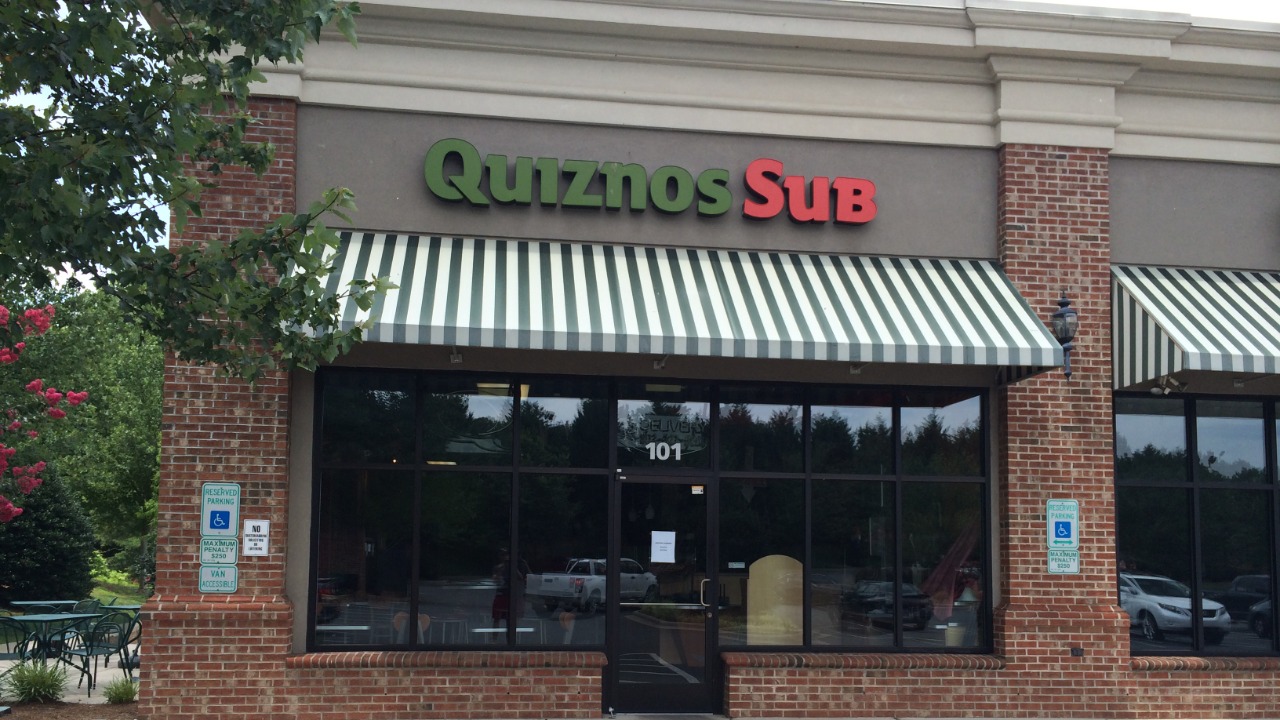
Quiznos’ rapid retreat from the American landscape, with thousands of shuttered sandwich shops, marks one of the most dramatic flameouts in modern fast food. What once looked like a scrappy rival to Subway has instead become a case study in how aggressive franchising, heavy debt and shifting consumer tastes can hollow out a brand from the inside.
As I trace the chain’s collapse, from its peak footprint to a fraction of its former size, the story that emerges is less about a single misstep and more about a business model that stopped working while competitors adapted. The fallout for franchisees, landlords and workers shows how quickly a national presence can unravel when the underlying economics no longer add up.
From toasted upstart to shrinking footprint
Quiznos built its early reputation on toasted subs and a slightly more indulgent feel than the typical sandwich counter, and for a time that formula translated into rapid expansion across the United States. At its height, the chain operated thousands of locations nationwide, with franchisees drawn in by the promise of a differentiated product and a recognizable brand. The company leaned hard on franchising to fuel that growth, which allowed it to scale quickly without owning most of the real estate or day-to-day operations itself, a structure that looked efficient while sales were rising.
That same structure, however, left the system vulnerable once traffic began to soften and competition intensified. As newer fast casual concepts and upgraded menus at rivals chipped away at Quiznos’ appeal, the economics of individual stores grew more fragile. Reports on the chain’s retrenchment describe a network that has dwindled from several thousand domestic outlets to a small fraction of that number, with unit counts falling year after year as leases expired or franchisees walked away. The result is a brand that still exists on paper but has largely vanished from many of the markets it once saturated.
The franchise model that turned against its operators
The most striking part of Quiznos’ downfall, in my view, is how the very franchise system that powered its rise became a source of intense strain for operators. Franchisees were locked into supply agreements that required them to buy food and paper goods from company-approved vendors, often at prices they argued were significantly higher than open-market alternatives. Those costs sat on top of royalties and marketing fees, leaving thin margins even in decent locations. When sales slowed, the fixed obligations did not, and many owners found themselves squeezed between rising expenses and flat or declining revenue.
Legal filings and franchisee accounts describe a pattern in which operators alleged that the company prioritized its own supplier markups over store-level profitability, a claim that surfaced in multiple lawsuits and settlements. Some franchisees said they were pushed to open additional locations or remodel existing ones despite weak performance, adding debt to already stressed balance sheets. As more stores closed, the remaining operators lost the benefit of shared advertising and brand presence, which further eroded traffic. The feedback loop was brutal: closures undermined the system’s strength, which in turn made survival harder for those who stayed.
Debt, private equity and a brand that could not pivot
Behind the counter-level struggles sat a capital structure that left Quiznos with little room to maneuver once growth stalled. After a private equity takeover, the company carried substantial debt that had to be serviced regardless of how individual restaurants were performing. That pressure limited the chain’s ability to invest in menu innovation, technology or store refreshes at the pace competitors were setting. While rivals poured money into mobile ordering, loyalty apps and updated interiors, Quiznos often looked stuck in an earlier era of fast food, with a concept that felt less distinctive as toasted sandwiches became commonplace elsewhere.
Restructuring efforts, including a significant debt reduction through bankruptcy, bought time but did not fundamentally reset the brand. The company closed large numbers of underperforming locations as part of those moves, shrinking its footprint in an attempt to stabilize the remaining base. Yet a smaller network meant less national advertising, weaker bargaining power with landlords and suppliers, and fewer reasons for consumers to keep the brand top of mind. In effect, the financial engineering that was supposed to unlock value ended up coinciding with a long slide in relevance.
Consumer shifts and the rise of stronger rivals
Even if Quiznos had been perfectly financed, it would have faced a tougher landscape as American diners shifted toward perceived freshness, customization and digital convenience. Chains like Subway, Jimmy John’s and Jersey Mike’s invested heavily in positioning themselves as fresher or faster, while newer fast casual players blurred the line between quick service and sit-down quality. Quiznos’ core proposition, a toasted sub with a somewhat richer flavor profile, no longer felt like a unique draw once competitors added similar ovens and toppings. Without a clear new hook, the brand struggled to justify its price points or win back lapsed customers.
Industry reporting on the broader sandwich segment shows how rivals used scale and technology to capture those changing preferences. Subway, for example, rolled out large-scale menu overhauls and national refresh campaigns, while Jersey Mike’s leaned into made-to-order authenticity and aggressive digital marketing. Many of these brands also embraced third-party delivery apps and in-house mobile ordering earlier and more effectively than Quiznos, which lagged in building a seamless digital experience. As ordering habits shifted toward smartphones and delivery, the gap between the chain and its competitors widened, making it harder for remaining franchisees to generate the traffic they needed to survive.
What Quiznos’ collapse signals for the franchise playbook
For anyone watching the restaurant industry, the unraveling of Quiznos is less an isolated failure than a warning about how fragile franchise systems can be when incentives fall out of alignment. A model that depends on franchisees taking on most of the risk only works if those operators can earn a reasonable return, and if the franchisor’s revenue does not depend disproportionately on selling them supplies at a premium. When the balance tilts too far toward extracting value from the network rather than building it, the system can hollow out quickly once growth slows. Quiznos’ trajectory shows how that dynamic can turn a national chain into a cautionary tale in a relatively short span.
I see similar fault lines in other heavily franchised concepts that rely on aggressive expansion, complex fee structures and centralized purchasing margins to satisfy investors. The lesson from Quiznos is not that franchising is broken, but that sustainable systems require transparent economics, shared upside and enough flexibility to adapt when consumer tastes shift. As landlords, lenders and prospective franchisees assess new deals, many now look back at the Quiznos collapse as a benchmark for what can go wrong when growth, debt and operational realities fall out of sync. In that sense, the chain’s retreat from thousands of American street corners has become a reference point for how not to build a modern restaurant empire.
More From TheDailyOverview
- Dave Ramsey says these two simple questions show whether you’re rich or poor
- Retired But Want To Work? Try These 18 Jobs for Seniors That Pay Weekly
- IRS raises capital gains thresholds for 2026 and what’s new
- 12 ways to make $5,000 fast that actually work

Grant Mercer covers market dynamics, business trends, and the economic forces driving growth across industries. His analysis connects macro movements with real-world implications for investors, entrepreneurs, and professionals. Through his work at The Daily Overview, Grant helps readers understand how markets function and where opportunities may emerge.

