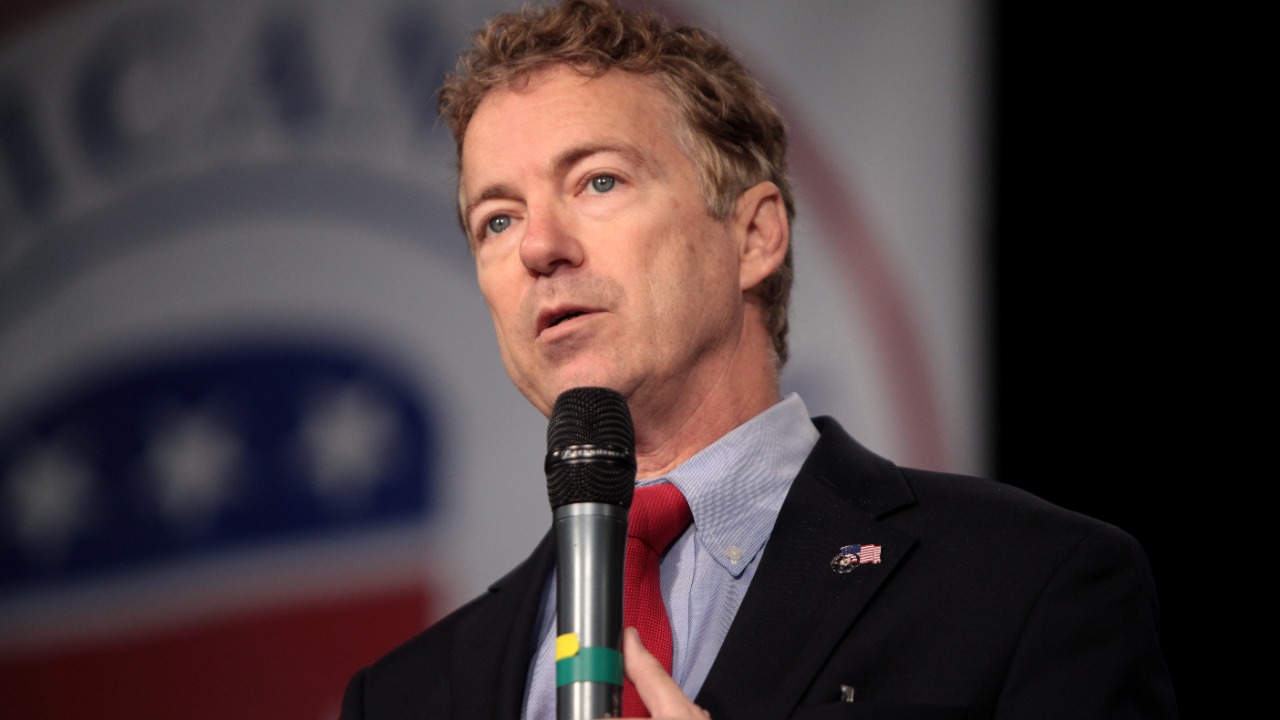
Senator Rand Paul is using the looming fight over Affordable Care Act subsidies to press for a deeper rewrite of how Americans buy coverage, shifting the focus from federal aid toward new kinds of insurance markets and savings accounts. His plan would not simply trim Obamacare subsidies, it would redirect the system toward group purchasing, portable benefits and expanded tax-advantaged accounts that he argues can stand on their own without constant emergency extensions from Congress.
At stake is whether Washington keeps propping up the existing structure of the Affordable Care Act or uses the subsidy deadline to pivot toward a more market-driven model that Paul and other conservatives have been sketching for years. The details matter, because they determine who gains bargaining power in the next phase of health reform, from individual Consumers to large employer-style groups and the insurers that serve them.
Rand Paul’s case against Obamacare subsidies
Rand Paul has been explicit that he sees the current subsidy regime as a temporary patch on what he calls a broken system, not a foundation to build on. He has said, “I, for one, continue to support the repeal of Obamacare and replacing it with true free market reforms,” framing the Affordable Care Act as a structure that locks in high prices and limited choice even when federal aid softens the blow for some families, and his new bill is pitched as a way to move beyond that model rather than reinforce it with more money.
In his view, the core problem is that Obamacare channels people into a narrow set of government-shaped plans instead of letting them join broader associations that can negotiate like large employers. He has argued that the answer lies in “associations that bring people together,” a phrase that captures his preference for group-based purchasing over individual subsidies and that underpins the reforms laid out in his legislation to expand access to such arrangements and related tax tools, as described in coverage of his proposal to replace Obamacare subsidies.
What Paul’s bill would change in the insurance market
Paul’s legislation, often described as the Health Marketplace and Savings Accounts For Everyone framework, is built around the idea that people should be able to buy coverage the way they buy other financial products, with portable accounts and flexible group options instead of rigid, one-size-fits-all plans. The Bill Proposes Reforms Touted by analysts who argue that giving individuals more control over pre-tax dollars and more ways to band together can lower premiums without relying on ever-larger federal checks, and it is designed to make those tools the centerpiece of coverage rather than a side benefit.
Those are precisely the kinds of reforms recommended over the years by Health Care Experts Those who favor high-deductible plans paired with robust savings accounts and broader association coverage, and Paul’s measure would codify that approach by expanding the reach of health savings vehicles, loosening rules on who can form purchasing groups and making it easier for people to carry coverage across jobs and state lines. Supporters of this strategy see it as a way to shift power from insurers and regulators to individuals and voluntary groups, a shift that is reflected in reporting that The Bill Proposes Reforms Touted by market-oriented experts.
From subsidies to savings: how consumers would feel the shift
For ordinary households, the most immediate change in Paul’s vision is psychological as much as financial, moving from a mindset of waiting for Washington to renew subsidies to one of actively managing personal health budgets. He has argued that Consumers have the power to improve the cost and quality of health care in America if they are given transparent prices and control over their own funds, and he has pointed to examples like Costco pharmacies and direct primary care clinics to illustrate how cash-based or high-deductible models can drive down routine costs when people are spending their own money instead of an insurer’s.
In that framework, subsidies that flow through insurers are not just expensive, they are distortions that make care more opaque and, in his words, “make health care more expensive” by dulling price sensitivity and encouraging providers to bill up to whatever the plan will pay. Paul’s plan would lean on larger health savings accounts, more flexible group coverage and portable benefits to give individuals a clearer stake in every dollar spent, an approach he laid out in an opinion piece where he argued that Consumers can discipline the market if subsidies do not get in the way.
Group plans, HSAs and the end of subsidy brinkmanship
Paul’s strategy is arriving just as Congress races a Dec. 31 clock on expiring ACA subsidies, a deadline that has become a recurring source of anxiety for families who depend on that aid and for insurers that price plans around it. Rather than simply extend the status quo, he is using the moment to argue for a pivot toward Group insurance and HSAs that would let people buy coverage collectively and save pre-tax dollars for care, reducing the need for last-minute subsidy deals and giving households more predictable tools to manage costs year after year.
In practical terms, that means encouraging small businesses, trade associations and other organizations to form large pools that can negotiate like big employers, while also expanding the rules around health savings accounts so more people can use them regardless of the specific plan they choose. Sen Rand Paul, R-Ky., has said he will introduce the Health Marketplace and Savings Accounts For framework to make it easier for these groups to operate across state lines and to give individuals more flexibility in how they combine group coverage with personal savings, a shift described in reporting on how Group purchasing and HSAs would replace some of the current subsidy architecture.
How Paul’s plan fits into the broader Republican health agenda
Paul’s proposal does not exist in a vacuum, it fits into a longer Republican push to loosen federal rules and let insurance markets operate more freely across state borders. President Donald Trump has previously backed efforts to expand association health plans and interstate sales, with Supporters arguing that this would increase competition and allow people to buy more affordable coverage across state lines, and Paul’s emphasis on associations and cross-border group plans echoes that same instinct to widen the playing field rather than deepen federal involvement.
Where Paul goes further is in his insistence that subsidies themselves are part of the problem, not just the structure around them, and that any lasting reform must reduce Washington’s role as a payer while boosting its role as a referee for transparent, competitive markets. His bill would take the ideas behind association plans and interstate competition and marry them to a more aggressive expansion of savings accounts and group purchasing, a combination that aligns with the argument that freer markets can deliver “great, great” insurance if regulators get out of the way, as reflected in coverage of how Supporters of Trump’s health order framed its impact on competition.
More From TheDailyOverview

Nathaniel Cross focuses on retirement planning, employer benefits, and long-term income security. His writing covers pensions, social programs, investment vehicles, and strategies designed to protect financial independence later in life. At The Daily Overview, Nathaniel provides practical insight to help readers plan with confidence and foresight.

