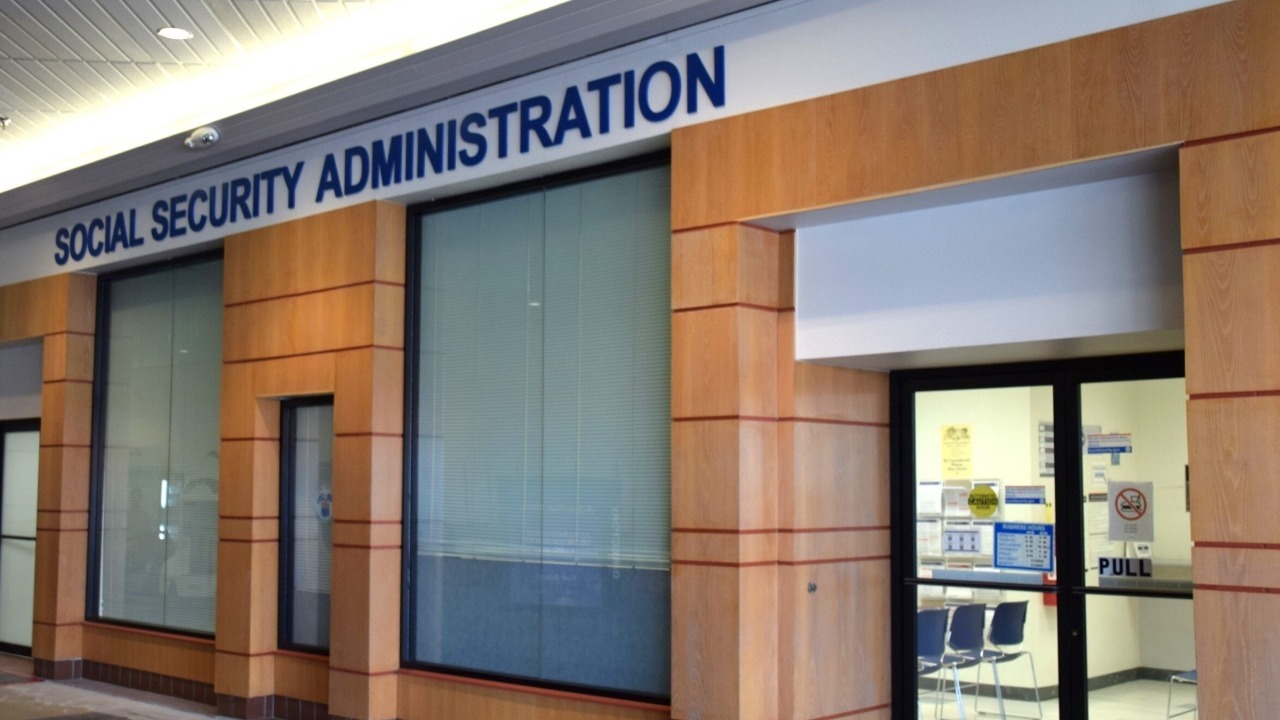
Social Security’s finances are deteriorating just as a politically explosive fix lands with a thud: a proposal that would require workers to pay more than $2,600 a year in extra payroll taxes to keep full benefits flowing. The math behind that idea is straightforward, but the public’s reaction, and Washington’s reluctance to touch it, show how close the program is drifting toward crisis without a clear rescue plan.
Instead of rallying around a solution, Americans are split between expecting cuts, doubting the program will survive, and recoiling when they see the real price tag of saving it. I see a widening gap between what the numbers demand and what voters are willing to accept, and that gap is exactly where the Social Security trust funds are running out of room.
The trust funds are running out of time
The core problem is not mysterious: more retirees are collecting benefits while fewer workers are paying in, and that demographic squeeze is pushing Social Security toward insolvency. Each year, the Trustees warn that an aging American population means the system will continue to face “significant financial challenges,” with more retirees and fewer workers supporting them, a trend detailed in the latest look at Social Security and Medicare.
Those warnings are no longer abstract. The official summary for the combined OASDI trust fund explains that the projected long term finances worsened this year, and that the depletion date moved closer because of weaker income and higher costs. Independent analysis of the latest Social Security Trustees Report Explained notes that Social Security’s primary trust fund is now projected to be depleted in 2032, while separate coverage of Social Security FAQs points to a 2033 depletion estimate, underscoring how little margin for error remains.
Medicare’s strain underscores the broader entitlement crunch
Social Security is not the only federal promise under pressure, and the parallel stress on Medicare shows how intertwined the challenges have become. The Trustees’ discussion of The HI Trust Fund explains that the hospital insurance account will still have surplus income through 2027 but is projected to be depleted in 2033, three years earlier than previously expected, which means Medicare’s finances are deteriorating alongside Social Security’s.
That shared trajectory is spelled out in a broader review titled Social Security and Medicare Trustees Reports: It’s Time to Address Funding Concerns, which notes that retired workers and their families, disabled workers and their families, and survivors of deceased workers all depend on these programs, while some state and local government employees are not covered by Social Security at all. When I look at those overlapping obligations, it is clear that any fix for one program will reverberate through the other, raising the stakes for every choice lawmakers make.
The $2,600 tax hike that voters do not want
Into this fiscal squeeze steps a blunt solution: raise payroll taxes enough to close the long term gap. According to a detailed global perspective on retirement systems, According to the CBO, preventing Social Security’s insolvency and paying full benefits for the next 75 years would require raising the payroll tax rate by enough that the average worker would pay more than $2,600 per year in additional taxes. That figure, tied directly to the 75 year projection window, is the heart of the current debate.
When Americans are confronted with that kind of bill, their theoretical support for higher taxes evaporates. A new survey of attitudes toward reform finds that Americans support higher taxes until they learn the price, and that support drops sharply once respondents are told the payroll tax rate would need to rise to 16.7 percent. Another report on a separate survey notes that Some economists are concerned Social Security payments are outpacing funds, and that the proposed tax increase could raise $115 billion over a decade, but the public’s appetite for that kind of hit is limited, especially for those making $30,000 per year.
Public trust is eroding as insolvency fears grow
As the numbers worsen, confidence in Social Security is slipping. A New Poll titled Most Americans Expect Social Security Benefit Cuts; a Third Believe the Program Won’t Exist When They Retire finds that a Third Believe the Program Won’t Exist When They Retire at all, and that expectation of cuts is now the default assumption for a large share of the country. That level of skepticism makes it harder for any politician to sell a painful fix, because voters are not convinced they will ever see the payoff.
Coverage of that same Poll underscores the generational divide, with younger workers especially doubtful that today’s promises will hold by the time they claim benefits. A separate set of stories on how TNND reported Social Security rapidly approaching insolvency shows that The Cato Institute found in its poll that People expressed some support for raising taxes but turned against the idea once specific dollar amounts were introduced, and that only 6 percent backed the largest tax hikes. When I put those findings next to the CBO’s $2,600 figure, the political collision is obvious.
Politics, confusion, and the search for a path forward
Even as the financial clock ticks, Washington has made choices that move the depletion date in the wrong direction. An analysis titled How The 2025 Budget Act Accelerates Social Security’s Insolvency, written by Howard Gleckman, argues that The Social Securit provisions in the new law will actually speed up the trust fund’s exhaustion by reducing dedicated revenue and increasing costs. That is the opposite of what a system on the brink needs, yet it reflects how politically tempting it is to sweeten benefits or cut taxes now while leaving the long term gap untouched.
At the same time, the official watchdogs are struggling to keep pace. A trade publication that tracks retirement plans notes that Last year, the Trustees dropped the report on May 6, and that there was no scheduled release date for the 2025 report as the solvency clock kept ticking. When the basic scorecard on the program’s health is delayed, it feeds the sense that the system is drifting without a clear plan.
Americans are split on solutions, even as the stakes rise
When people are asked how to fix Social Security, their answers are all over the map. One widely cited Social Security story quotes experts saying “To be clear, young people and older people have very different levels of knowledge when it comes to Social Security,” and that younger workers are more open to private accounts while older Americans prioritize keeping current checks intact for longer. Another report on the same polling notes that People expressed some support for raising taxes but balked when confronted with the full cost, which is exactly what the $2,600 figure represents.
Meanwhile, the political conversation is often distracted by sideshows. A tabloid style piece that went viral by juxtaposing a celebrity anecdote about Leonardo DiCaprio and his role in Titanic with warnings that Social Security faces collapse illustrates how easily serious policy debates get wrapped in pop culture packaging. Another outlet framed the situation bluntly, saying THE need to save the Social Security program from insolvency has intensified as certain Americans may be forced to foot a larger tax bill and Social Security checks are not guaranteed, capturing the anxiety that hangs over every paycheck and every benefit statement.
The crisis is real, even if the fix is unpopular
When I step back from the polling crosstabs and actuarial charts, the picture is stark. The official New Poll showing that Most Americans Expect Social Security Benefit Cuts and that a Third Believe the Program Won’t Exist When They Retire lines up almost perfectly with the Trustees’ warnings that the trust funds are heading toward depletion. The demographic pressures highlighted by Jul and the projections for The HI Trust Fund show that this is not a temporary blip but a structural shift in how many workers support how many retirees.
On top of that, the analysis of Budget Act Accelerates Social Security Insolvency and the delayed reporting flagged by Trustees suggest that policymakers are still more comfortable postponing hard choices than confronting them. The uncomfortable truth is that the $2,600 tax hike idea is not some wild outlier but a concrete expression of what it would take to keep every promised check flowing for the next 75 years, and the country has not yet decided whether it is willing to pay that price or accept smaller benefits instead.
More From TheDailyOverview

Nathaniel Cross focuses on retirement planning, employer benefits, and long-term income security. His writing covers pensions, social programs, investment vehicles, and strategies designed to protect financial independence later in life. At The Daily Overview, Nathaniel provides practical insight to help readers plan with confidence and foresight.

