
Many people overlook the small change in their pockets, but some pennies could be worth a fortune. With a keen eye, you might discover that the humble penny could add significant value to your collection or wallet. Learn about these rare coins and how they can transform your financial future.
The Most Valuable Pennies to Look For
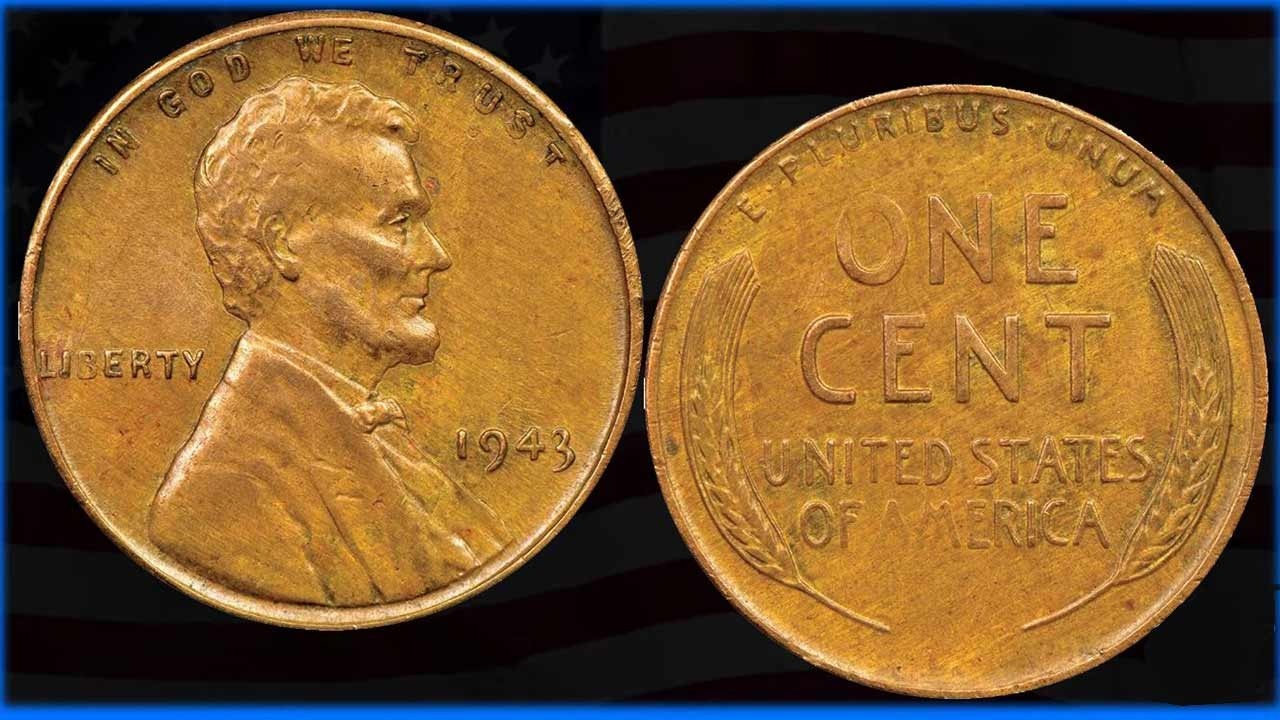
Among the most coveted coins by collectors are the Lincoln Wheat Pennies. Minted between 1909 and 1958, these pennies are sought after not only for their historical significance but also for their unique design featuring two wheat stalks on the reverse side. The first year of issue, 1909, is particularly notable due to the inclusion of the designer’s initials, “V.D.B.,” which were later removed due to public outcry over their prominence.
Another prized find is the 1943 Copper Penny. During World War II, the U.S. Mint switched to steel pennies coated with zinc to conserve copper for the war effort. However, a few copper blanks were mistakenly used, creating a rare error coin. These copper pennies can fetch a substantial amount at auctions due to their rarity and historical context.
The 1955 Double Die Penny is another fascinating piece. This coin is the result of a minting error where the die was misaligned, creating a double image on the words and numbers. Collectors prize this penny for its rarity and the intriguing story behind its creation. Spotting a 1955 Double Die requires a careful eye, but the payoff can be significant.
How to Identify Rare Pennies in Circulation
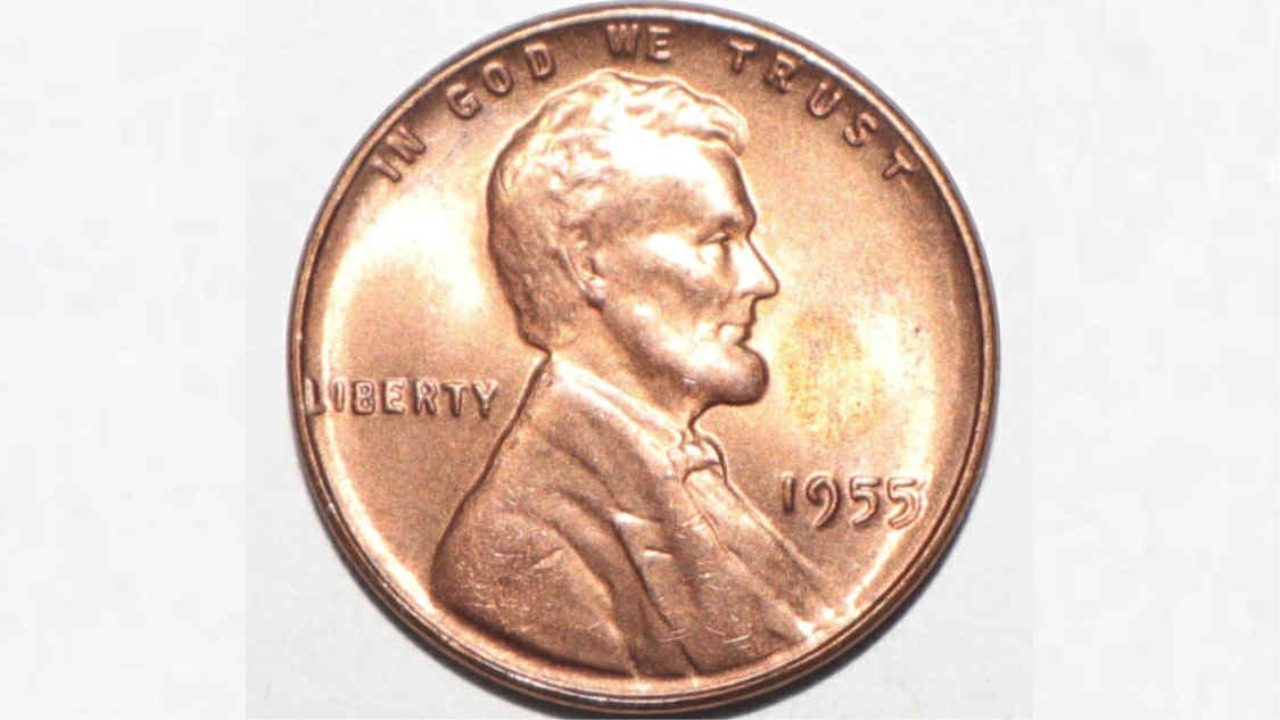
Identifying rare pennies requires knowledge of certain key characteristics. For instance, the Lincoln Wheat Penny can be recognized by its wheat stalks and “V.D.B.” initials on the 1909 version. The 1943 Copper Penny is distinct due to its weight and color, differing from the steel versions of the same year. On the other hand, the 1955 Double Die Penny is identified by its doubled lettering on the obverse side of the coin.
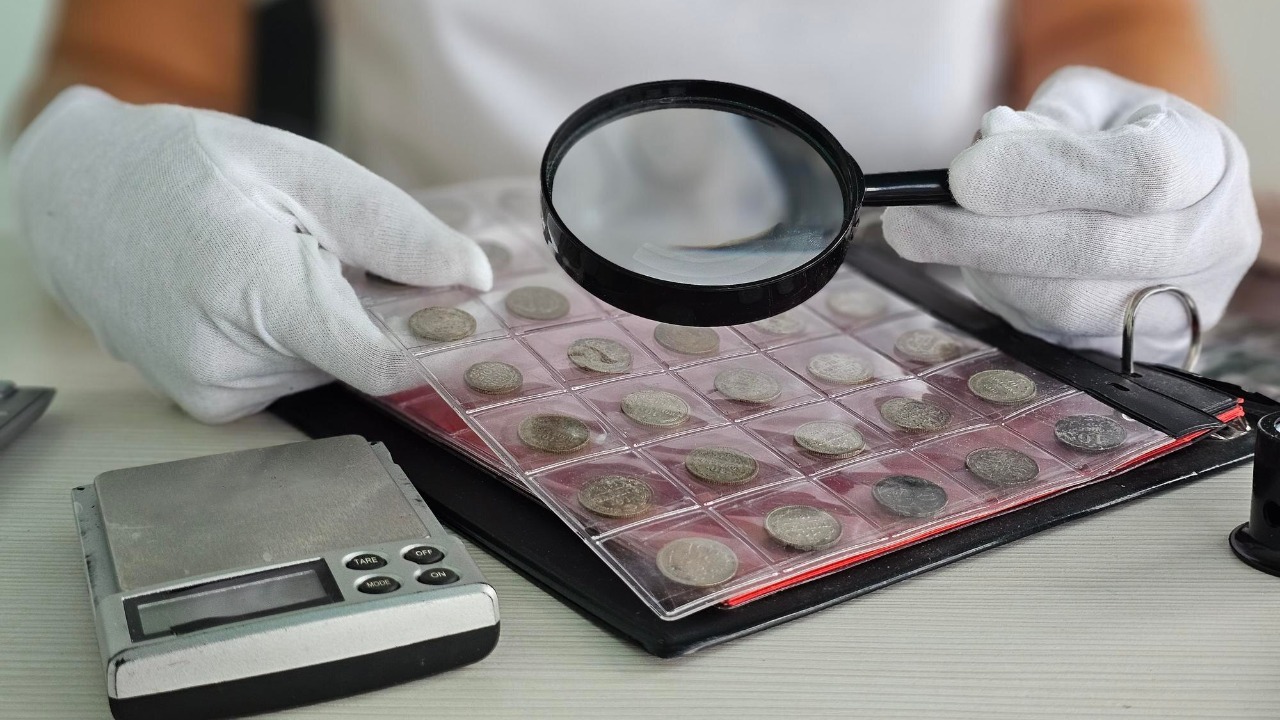
To aid in identifying these valuable coins, collectors often rely on tools such as magnifying glasses and digital microscopes to closely examine details. Moreover, various online resources and databases can help verify the authenticity and value of a penny. Networking with other collectors through online forums and social media groups can also provide valuable insights and tips.
However, it’s crucial to avoid common pitfalls and misidentifications. Many counterfeit coins exist, and inexperienced collectors might mistake a regular penny for a rare one due to misinterpretation of markings or wear. To ensure accuracy, consulting a professional appraiser or using reputable online valuation services can prevent costly errors.
The Market Value of Rare Pennies
The value of rare pennies is influenced by several factors, including their condition, demand, and historical significance. A penny in mint condition can command a much higher price than one that shows signs of wear. Similarly, the demand among collectors can fluctuate based on trends and interest in specific coin types or historical periods.
Recent high-profile auctions have seen rare pennies sell for astounding amounts, illustrating the fervent interest in these coins. For instance, a 1943 Copper Penny once sold for over $100,000, underscoring the potential value hidden in everyday change. These sales not only highlight individual coins’ worth but also provide insight into the broader market trends.
Additionally, economic conditions can impact the coin collecting market. During times of economic uncertainty, collectors might hold onto coins, anticipating future appreciation, which can drive up demand. Conversely, economic stability might see more coins entering the market, affecting their overall value.
Where to Sell Your Rare Pennies
If you’ve identified valuable pennies in your collection, selling them through trusted dealers or auction houses is often the best way to achieve a favorable return. Reputable establishments typically have a network of buyers and can provide a professional appraisal, ensuring you receive a fair price.
Online platforms like eBay offer another avenue for selling rare pennies. While these sites provide access to a global audience, they also come with potential drawbacks, such as fees and the risk of fraud. It’s essential to weigh these factors and consider using dedicated coin-selling websites that cater specifically to collectors.
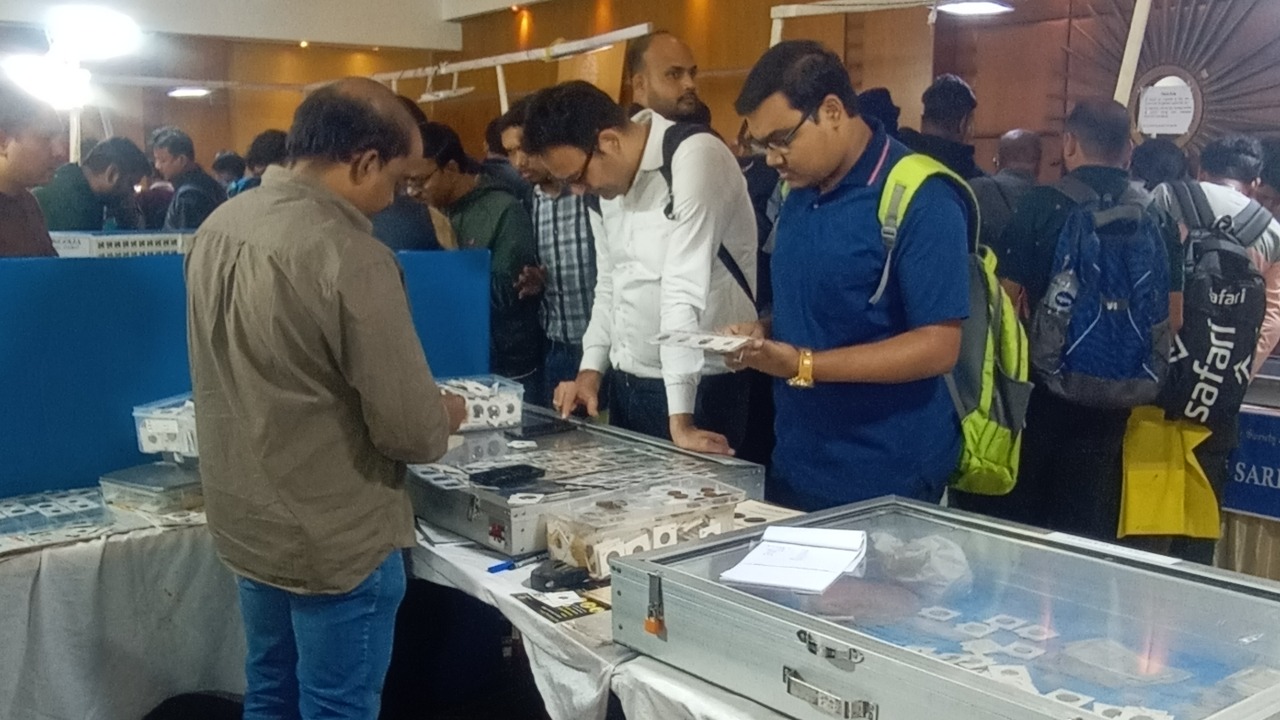
Building a network of collectors can also enhance your selling opportunities. By engaging with other enthusiasts, you can gain insights into market trends and potential buyers interested in your specific coins. Attending coin shows and joining clubs are excellent ways to expand your network and increase your chances of a successful sale.
Preserving and Protecting Your Valuable Pennies
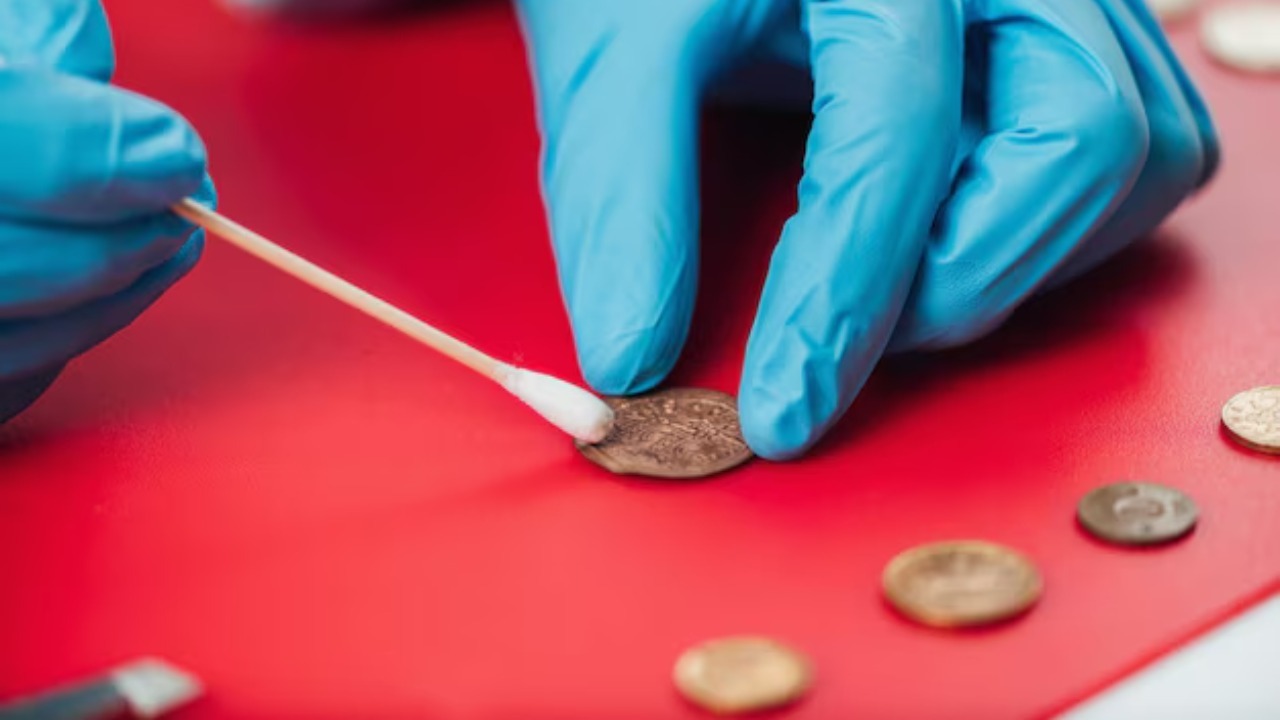
To maintain your pennies’ value, proper care and storage are crucial. Coins should be kept in a cool, dry environment to prevent oxidation and damage. Using holders and albums designed for coin storage can protect them from scratches and environmental damage.
Insurance is another consideration for those with high-value collections. Ensuring your coins are covered can provide peace of mind and financial protection in case of loss or damage. Additionally, obtaining a professional appraisal can help substantiate your collection’s value for insurance purposes.
Finally, long-term preservation strategies, such as using archival-quality materials and avoiding direct handling, can help ensure that your rare pennies remain in pristine condition for future generations. By taking these steps, you can safeguard your collection’s value and enjoy the satisfaction of owning a piece of history.

Cole Whitaker focuses on the fundamentals of money management, helping readers make smarter decisions around income, spending, saving, and long-term financial stability. His writing emphasizes clarity, discipline, and practical systems that work in real life. At The Daily Overview, Cole breaks down personal finance topics into straightforward guidance readers can apply immediately.

