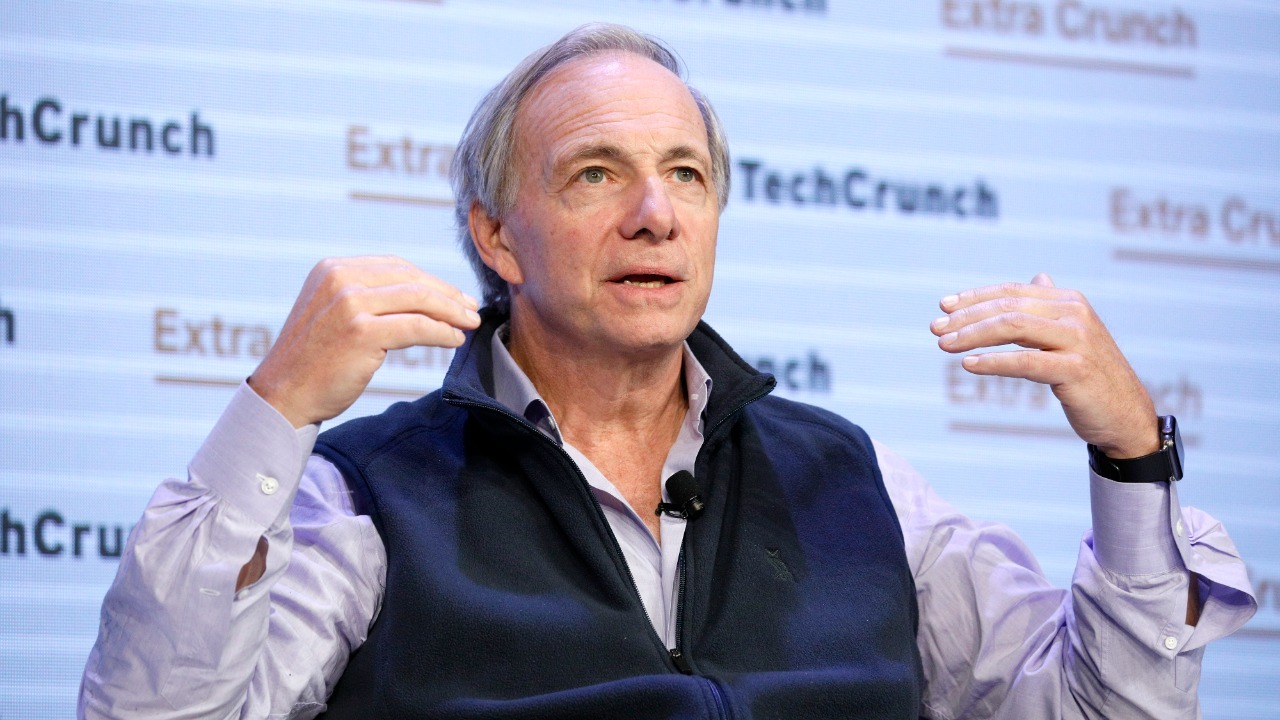
Ray Dalio, the billionaire investor and founder of Bridgewater Associates, has recently raised alarms about the United States veering toward a 1930s-style autocracy. His concerns are primarily driven by the widening wealth gap and the potential for extreme political policies, which he believes echo the troubling period of pre-World War II. Are Americans becoming too fearful to voice their concerns in this shifting political landscape?
The Historical Context: Lessons from the 1930s

The 1930s were marked by significant economic and political upheaval, setting the stage for the rise of autocratic regimes. The Great Depression had left economies in shambles, leading to widespread unemployment and poverty. This economic despair created fertile ground for extremist ideologies to take root, as people sought strong leadership to restore stability. In countries like Germany and Italy, charismatic leaders exploited these conditions, promising to revive national pride and economic prosperity, often at the expense of democratic principles.
Today, the parallels between the wealth disparities of the 1930s and those of the present day are striking. The economic inequality that characterized the pre-war era is mirrored in the current landscape, where the wealth gap continues to widen. This disparity can lead to political instability, as those who feel disenfranchised by the system may turn to more radical solutions. The role of extreme policies in shaping public discourse and governance during the 1930s serves as a cautionary tale, highlighting how economic distress can fuel the rise of authoritarianism.
Ray Dalio’s Warning: A Modern-Day Echo

Ray Dalio has been vocal about his concerns regarding the current American political and economic climate. In his view, the United States is on a path that resembles the 1930s, with the potential for more extreme policies fueled by a significant wealth gap. Dalio’s financial acumen and historical analysis lend weight to his warnings, as he draws on decades of experience in the financial sector to support his claims. His perspective is not just a theoretical exercise but a call to action for policymakers and citizens alike.
Dalio’s warnings have resonated across the financial world and among political analysts. Many have echoed his concerns, noting the similarities between the current socio-economic conditions and those of the past. The fear is that without addressing the underlying issues of economic inequality and political polarization, the United States could see a shift towards autocratic governance. This sentiment is reflected in various analyses, including those from MSN and CNN, which highlight the potential dangers of ignoring these warning signs.
The Wealth Gap: A Catalyst for Change?
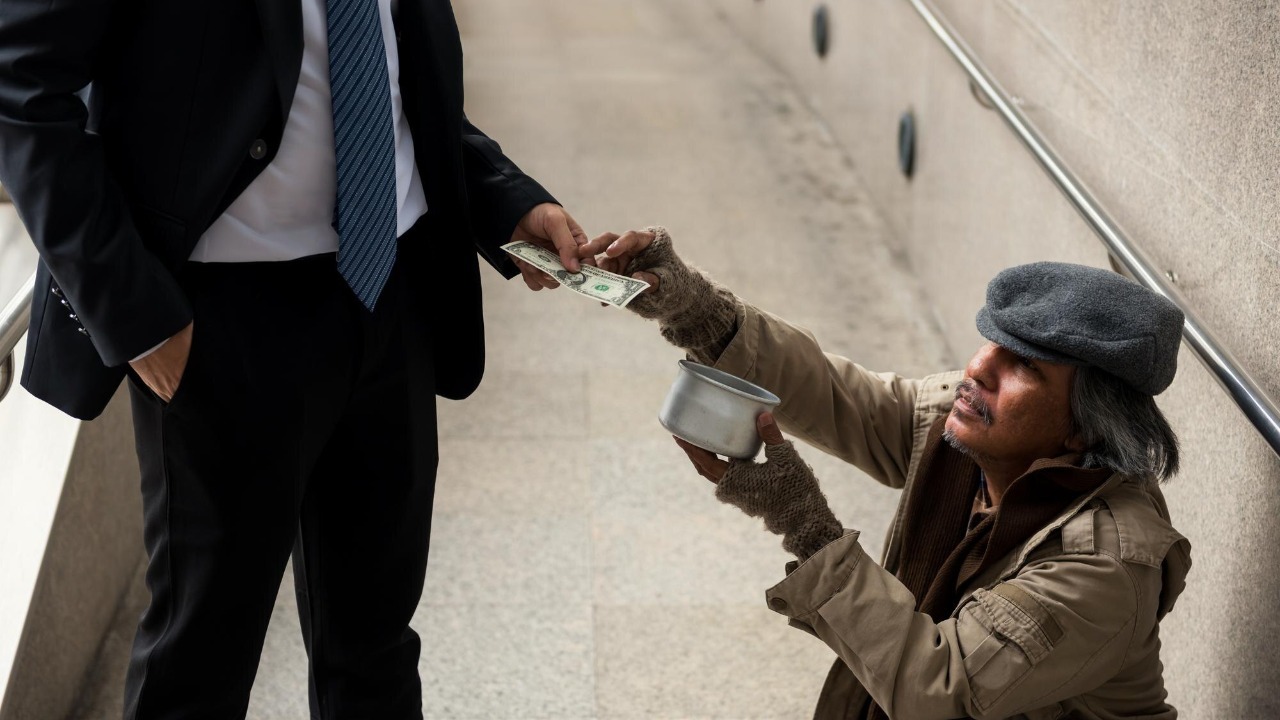
The current state of economic inequality in the U.S. is a pressing concern. Statistics show that the wealthiest individuals and corporations continue to amass significant wealth, while many Americans struggle to make ends meet. This growing divide is not just a matter of economic disparity but a potential threat to democratic institutions and civil liberties. As the gap widens, the risk of political extremism increases, as those left behind may seek drastic measures to address their grievances.
Historical examples, such as the rise of fascism in Europe, demonstrate how economic divides can lead to political extremism. In contemporary times, the same patterns are emerging, with populist movements gaining traction in response to perceived economic injustices. The Daily Beast highlights how these dynamics are playing out in the U.S., where political polarization is increasingly driven by economic factors. Addressing the wealth gap is not just an economic imperative but a necessary step to safeguard democratic values.
The Fear Factor: Speaking Out in a Shifting Political Landscape
In today’s political climate, there is a growing sense of fear among Americans when it comes to expressing dissenting opinions. The culture of fear in political discourse is palpable, with many individuals hesitant to speak out against prevailing narratives. This reluctance is fueled by the potential repercussions of voicing unpopular opinions, whether in the form of social ostracism or more severe consequences.
The role of media and technology in shaping public opinion cannot be understated. Platforms that once promised to democratize information have, in some cases, contributed to the silencing of criticism. Algorithms that prioritize sensationalism over substance can amplify extreme views while suppressing moderate voices. Historical precedents of fear and repression, such as those seen in authoritarian regimes, offer valuable lessons for understanding the current landscape. The Business Post underscores the importance of remaining vigilant in protecting free speech and fostering open dialogue.
Moving Forward: Avoiding the Pitfalls of the Past
To bridge the wealth gap and prevent a slide into autocracy, it is crucial to implement effective policy recommendations and societal changes. Strategies such as progressive taxation, increased access to education, and investment in social programs can help address economic disparities. These measures not only promote economic equity but also strengthen democratic institutions by ensuring that all citizens have a stake in the system.
Maintaining a robust democratic system in the face of potential autocratic shifts requires a commitment to open dialogue and critical thinking. Encouraging diverse perspectives and fostering a culture of debate can help combat fear and promote democratic resilience. By learning from the past and actively working to prevent history from repeating itself, we can build a more equitable and just society for future generations. The insights provided by thought leaders like Ray Dalio serve as a reminder of the importance of vigilance and proactive engagement in shaping our collective future.

Grant Mercer covers market dynamics, business trends, and the economic forces driving growth across industries. His analysis connects macro movements with real-world implications for investors, entrepreneurs, and professionals. Through his work at The Daily Overview, Grant helps readers understand how markets function and where opportunities may emerge.

