
Recent surveys reveal that escalating grocery prices are a significant source of stress for a majority of Americans, with only 14% expressing no concern. As the cost of living continues to rise, many are left wondering if there’s any relief on the horizon. This article explores the factors driving these rising costs, their impact on different demographics, and potential solutions that might offer some respite to consumers.
Understanding the Causes of Rising Grocery Prices
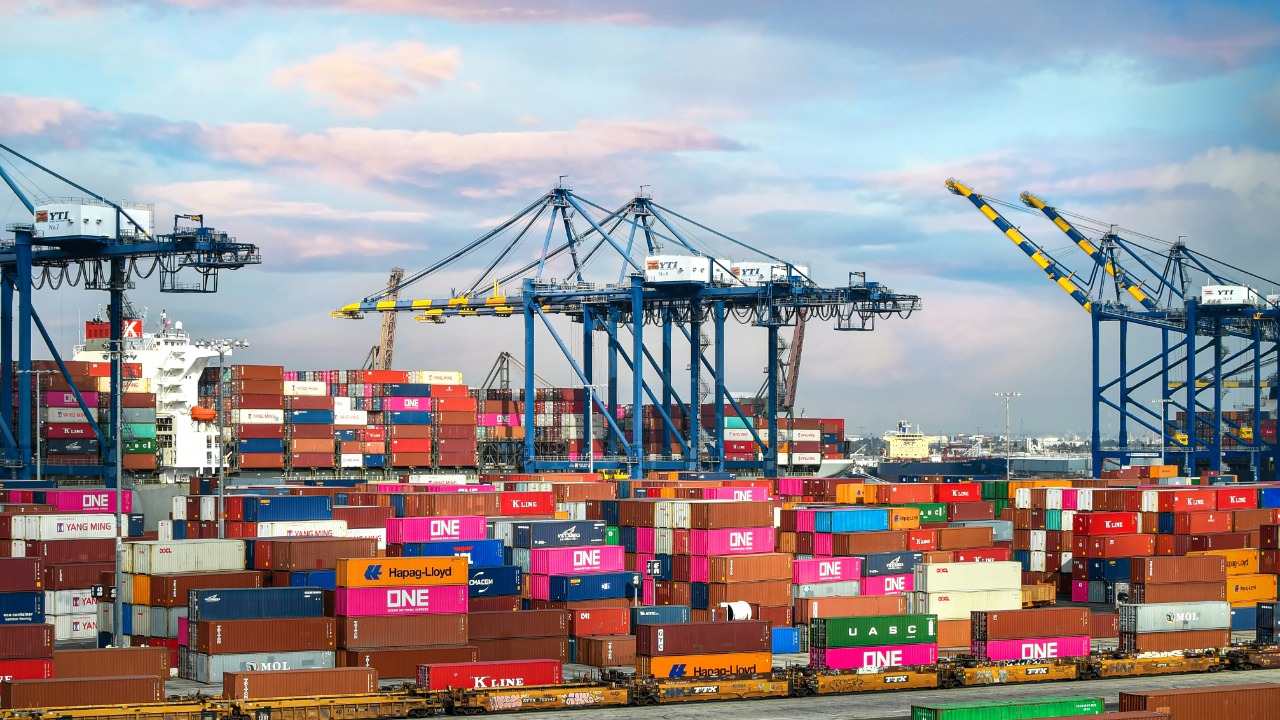
One of the primary drivers of rising grocery prices is the disruption in global supply chains. The COVID-19 pandemic has had a lingering impact, causing significant delays and shortages in transportation and labor. Ports around the world have experienced backlogs, and the shortage of truck drivers has exacerbated the situation, making it difficult to move goods efficiently. These disruptions have led to increased costs for transporting goods, which are ultimately passed on to consumers in the form of higher prices at the grocery store.
Inflationary pressures are another critical factor contributing to the rise in grocery prices. The U.S. has seen inflation rates climb to levels not experienced in decades, affecting various sectors, including food and essential goods. As the cost of raw materials and production increases, so do the prices consumers pay. This inflationary trend is driven by a combination of increased demand as economies reopen and supply chain constraints that limit the availability of goods.
Weather and climate change also play a significant role in the rising cost of groceries. Extreme weather events, such as droughts, floods, and hurricanes, have become more frequent and severe, impacting agricultural productivity. For instance, drought conditions in California, a major agricultural hub, have led to reduced crop yields, driving up the prices of fruits, vegetables, and nuts. Climate change continues to pose a long-term threat to food security, with unpredictable weather patterns making it challenging for farmers to plan and harvest their crops effectively.
The Impact on American Households

The financial strain of rising grocery prices is particularly acute for low-income families. These households often spend a larger portion of their income on food, and any increase in prices can significantly impact their budgets. As a result, many low-income families are forced to make difficult choices, such as cutting back on other essential expenses like healthcare or education, to afford basic groceries. This exacerbates existing financial challenges and can lead to a cycle of poverty that is difficult to break.
In response to rising prices, many Americans are adjusting their shopping habits. Consumers are increasingly turning to generic brands as a cost-saving measure, and some are reducing non-essential purchases altogether. This shift in behavior reflects a broader trend of frugality as people seek to stretch their dollars further. Additionally, there is a growing interest in bulk buying and meal planning as strategies to manage grocery expenses more effectively.
The psychological stress associated with financial uncertainty cannot be overlooked. The constant worry about making ends meet can take a toll on mental health, leading to anxiety and depression. For many, the stress of rising grocery prices compounds other financial pressures, creating a pervasive sense of insecurity. This highlights the importance of addressing not only the economic but also the emotional well-being of individuals and families affected by these challenges.
Potential Solutions and Relief Measures

Governmental interventions could play a crucial role in alleviating the burden of high grocery costs. Potential policy measures include subsidies for essential goods or tax breaks for low-income families. By reducing the financial strain on consumers, these interventions could help stabilize grocery prices and make food more affordable. Additionally, some policymakers are advocating for increased support for domestic agriculture to boost production and reduce reliance on imports.
Community and charitable organizations are also stepping up to provide relief to those most affected by rising prices. Food banks and community programs are essential resources for families struggling to put food on the table. These organizations offer not only immediate assistance but also long-term support through initiatives like nutrition education and job training programs. By strengthening community networks, these efforts can help build resilience against future economic shocks.
On a personal level, consumers can adopt various financial strategies to manage their grocery budgets more effectively. Practical tips include creating a shopping list to avoid impulse purchases, using coupons and loyalty programs, and exploring alternative shopping venues like farmers’ markets or discount stores. By being proactive and resourceful, individuals can mitigate some of the financial stress associated with rising grocery prices.
Future Outlook: Is Relief on the Horizon?
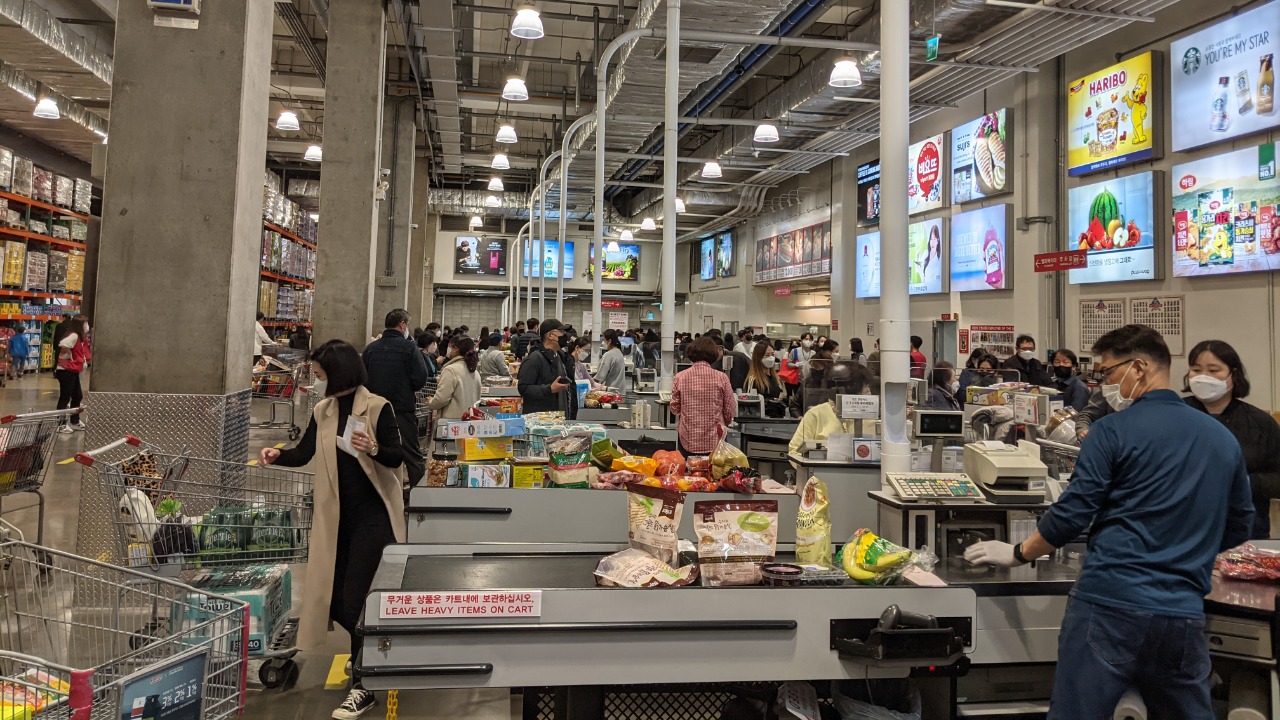
Looking ahead, economic predictions regarding the future trajectory of grocery prices are mixed. Some experts believe that as supply chain issues are resolved and inflationary pressures ease, prices may stabilize. However, others caution that ongoing challenges, such as climate change and geopolitical tensions, could continue to drive costs upward. The uncertainty surrounding these factors makes it difficult to predict with certainty when or if relief will come.
Technological innovations offer a glimmer of hope for reducing grocery costs in the long term. Advances in agricultural technology, such as precision farming and genetically modified crops, have the potential to increase yields and reduce waste. Additionally, improvements in supply chain technology, including automation and data analytics, could enhance efficiency and lower costs. By embracing these innovations, the food industry can work towards a more sustainable and affordable future.
Consumer advocacy and policy change are also crucial in addressing the root causes of price increases. By raising awareness and pushing for legislative action, consumers can influence policymakers to implement reforms that promote fair pricing and support sustainable agricultural practices. Engaging in advocacy efforts can empower individuals to play an active role in shaping the economic landscape and ensuring that their voices are heard in the fight against rising grocery prices.

Cole Whitaker focuses on the fundamentals of money management, helping readers make smarter decisions around income, spending, saving, and long-term financial stability. His writing emphasizes clarity, discipline, and practical systems that work in real life. At The Daily Overview, Cole breaks down personal finance topics into straightforward guidance readers can apply immediately.

