California’s richest residents are no longer just grumbling about taxes in private; they are reorganizing their lives, assets, and public personas around the threat of a new levy on extreme wealth. A viral campaign led by prominent tech founders has turned a once wonky ballot idea into a status symbol of resistance, and a growing number of rich elites are now cutting ties with the state rather than waiting to see whether voters approve the measure. The result is a high‑stakes collision between a state that made these fortunes possible and a class of billionaires determined to keep as much of that money as they can.
At the center of the fight is the proposed California Billionaire Tax Act, a one time 5 percent hit on the net worth of residents with assets above a billion dollars, framed by supporters as a modest ask of those who gained the most from the Golden State for decades. Opponents have answered with relocation plans, asset transfers, and a coordinated messaging blitz that casts the proposal as an existential threat to innovation, even as it is still only a potential ballot measure.
The tax that lit the fuse
The 2026 Billionaire Tax Act, formally listed as Initiative No 25‑0024, would impose that 5 percent one time wealth tax on individuals with fortunes between $1 billion and $1.1 billion and above, targeting a narrow slice of residents who sit atop California’s economic pyramid. To even reach the November 2026 ballot, backers led by a healthcare union must gather nearly 875,000 signatures from registered voters, a threshold that underscores how far the proposal still has to go before it becomes law. Yet the mere prospect has already reshaped the behavior of some of the world’s wealthiest people, who see the measure as a precedent that could spread to other blue states and eventually to Washington.
Supporters argue that the California Billionaire Tax Act would simply reclaim a small portion of the gains that flowed to tech founders and investors during the long boom, money they say is needed to stabilize public services in the Golden State for years to come, from housing to healthcare. Reporting on the California Billionaire Tax captures the resentment among residents who watched fortunes minted in their backyard while schools and infrastructure strained, and who now see billionaires threatening to desert the state when asked for what they view as a little something back. The broader debate has spilled beyond Sacramento, with the Tech fight over a billionaire tax reverberating on the Hill The in Washington as lawmakers watch whether California can put a billionaire’s tax on the California ballot.
Signal chats, viral posts and a coordinated revolt
What might have remained a niche tax policy fight instead exploded into a viral campaign once a cluster of tech founders turned their private anger into public organizing. In an encrypted Signal chat called “Save California,” They have been airing grievances about the Billionaire Tax Act and trading strategies for how to pressure state leaders, donors, and voters. The group’s rhetoric casts the initiative as anti innovation and anti prosperity, a message calibrated for social media and for sympathetic national audiences who see California as a cautionary tale about progressive overreach.
One of the most visible figures in this revolt is Garry Tan, the chief executive of startup incubator Y Combinator, who has used his large following on X to warn that he would have to consider Austin or other hubs if the tax passes. That kind of messaging dovetails with a broader narrative, amplified by Tech coverage, that tech billionaires threaten to flee California over the proposed 5 percent wealth tax, with figures like Palmer Luckey of Anduril Industries speaking out. In local television segments, analysts have stressed that it is not something to be panicked about yet, but part of a broader concern that wealthy residents will move to states where they feel they get more value for the taxes they pay, a point underscored in coverage of the proposal on Dec.
From online outrage to physical exits
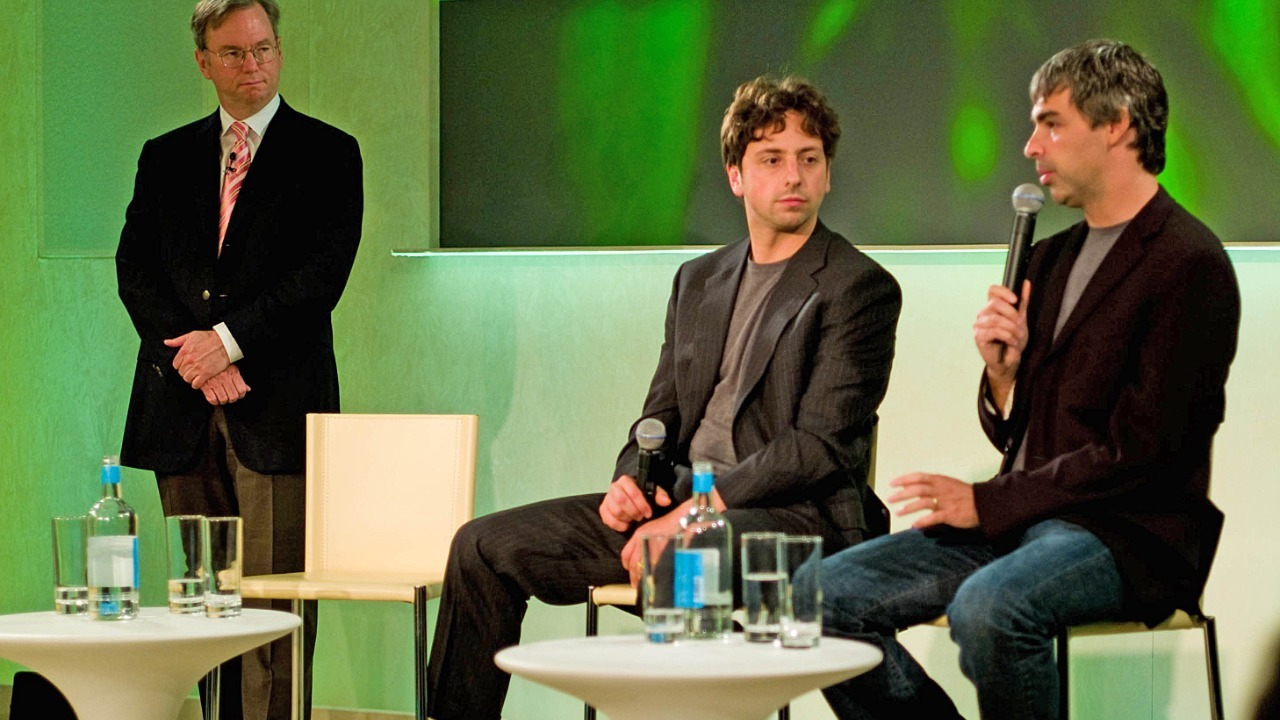
The most striking shift is that the rhetoric is now matched by concrete moves to leave. State records show that State filings have captured how Google co founders Larry Page and Sergey Brin have been cutting ties to California and moving business interests elsewhere, a process that accelerated within seven days of the latest tax push. Separate reporting notes that Google co founders Larry Page and both made moves to reduce their footprints in California by transferring entities that hold parts of their wealth. In Jakarta, Gotrade News detailed how Larry Page and Sergey Brin are reportedly moving personal assets out of California, feeding speculation that a broader capital exodus is coming.
More From TheDailyOverview

Grant Mercer covers market dynamics, business trends, and the economic forces driving growth across industries. His analysis connects macro movements with real-world implications for investors, entrepreneurs, and professionals. Through his work at The Daily Overview, Grant helps readers understand how markets function and where opportunities may emerge.

