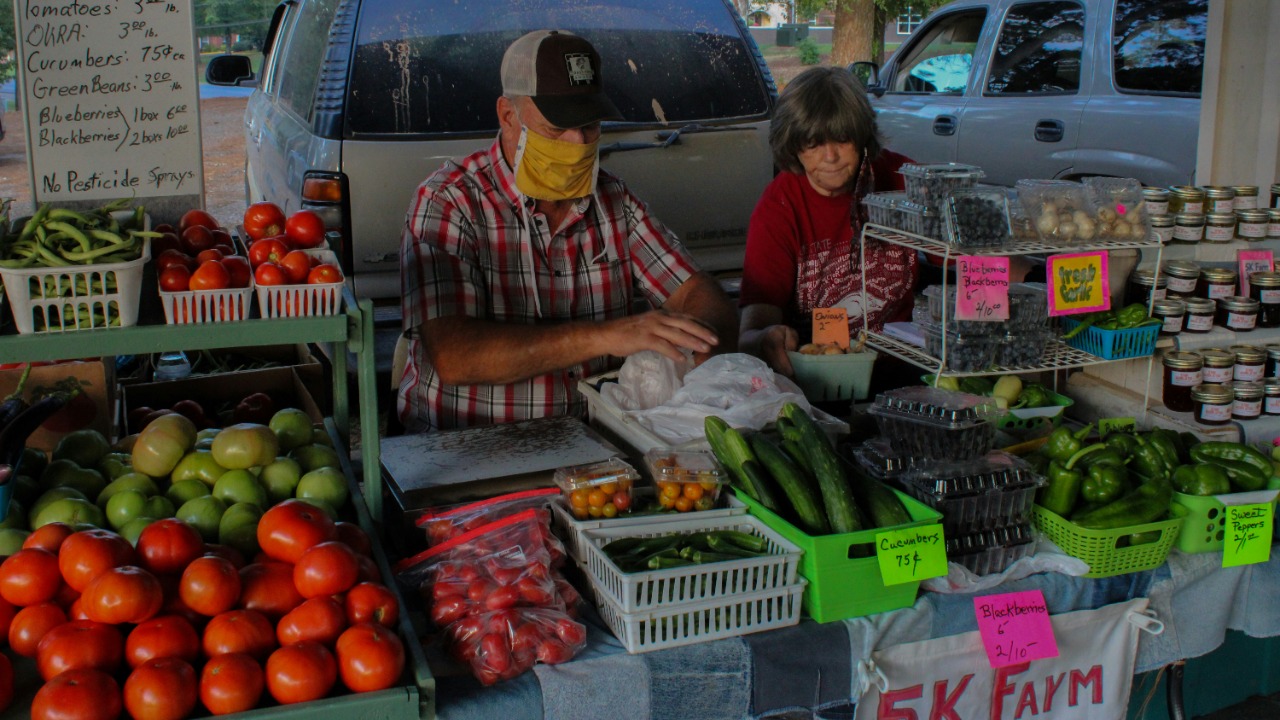
As climate change accelerates, its impact on agriculture and food supply is becoming increasingly severe, threatening food security and driving up costs for American families. Rising temperatures and extreme weather events are disrupting crop production, while trade policies and global supply chain vulnerabilities further exacerbate these challenges. The combined effect of these factors is a significant increase in food prices, placing additional economic pressure on households across the United States.
Climate-Driven Disruptions to Crop Production
Rising temperatures are having a profound impact on crop yields, particularly for staple crops like corn and wheat. Increased heat stress and altered growing seasons are reducing productivity, as documented by the Environmental Protection Agency (EPA). These changes are not just theoretical; they are already being felt in key agricultural regions such as the Midwest, where droughts and extreme weather events have led to significant supply shortages. The World Bank highlights how these conditions are exacerbating food security risks globally, with the U.S. being no exception.
Moreover, warmer conditions are accelerating the proliferation of pests and diseases, further threatening American agricultural output. The EPA’s analyses indicate that these biological threats are becoming more prevalent, compounding the challenges faced by farmers. As these disruptions continue, the stability of food supplies remains at risk, with potential long-term consequences for both domestic and global markets.
Effects on Livestock and Water Resources
The impact of climate change extends beyond crops to affect livestock and water resources. Heat stress on livestock is reducing milk production and weight gain in herds across the United States, as noted in EPA assessments. These physiological stresses not only affect the health of the animals but also reduce the efficiency and profitability of livestock operations.
Water scarcity is another critical issue, driven by higher evaporation rates and erratic rainfall patterns. This scarcity impacts irrigation systems essential for American farms, as outlined by the World Bank. Additionally, temperature extremes are causing feed crop failures, which in turn raise costs for ranchers. These challenges underscore the interconnected nature of climate impacts on agriculture, where disruptions in one area can cascade into broader economic and environmental issues.
Global Supply Chain Vulnerabilities and U.S. Imports
Climate crises in exporting countries are driving up international food prices, indirectly affecting U.S. import costs. According to a report from The Guardian, these rising prices are a direct consequence of climate-induced disruptions. Extreme weather events are also impacting global trade routes and harvests, heightening risks to American food availability.
Compounding these issues are trade policies and international tensions, which exacerbate supply chain vulnerabilities. The Center for Science in the Public Interest highlights how tariffs and trade wars under President Trump’s administration have further threatened food security. These policies can lead to increased costs and reduced availability of essential food items, affecting American families who rely on these imports.
Economic Pressures on American Households
The economic pressures on American households are mounting as reduced domestic yields and higher import prices contribute to inflation in grocery staples. The Guardian’s report emphasizes how these climate-driven trends are straining family budgets, with everyday items like bread and meat becoming more expensive. The EPA’s studies on food supply impacts provide further evidence of these cost increases, illustrating the direct link between agricultural disruptions and consumer prices.
Trade wars add another layer of complexity, affecting food affordability for U.S. consumers. The analysis from the Center for Science in the Public Interest underscores how these geopolitical tensions can lead to higher prices and reduced access to food. As these economic pressures continue to build, American families are left grappling with the financial burden of rising food costs, highlighting the urgent need for comprehensive strategies to address the intertwined challenges of climate change and food security.
More From TheDailyOverview
- Dave Ramsey says these two simple questions show whether you’re rich or poor
- Retired But Want To Work? Try These 18 Jobs for Seniors That Pay Weekly
- IRS raises capital gains thresholds for 2026 and what’s new
- 12 ways to make $5,000 fast that actually work

Grant Mercer covers market dynamics, business trends, and the economic forces driving growth across industries. His analysis connects macro movements with real-world implications for investors, entrepreneurs, and professionals. Through his work at The Daily Overview, Grant helps readers understand how markets function and where opportunities may emerge.

