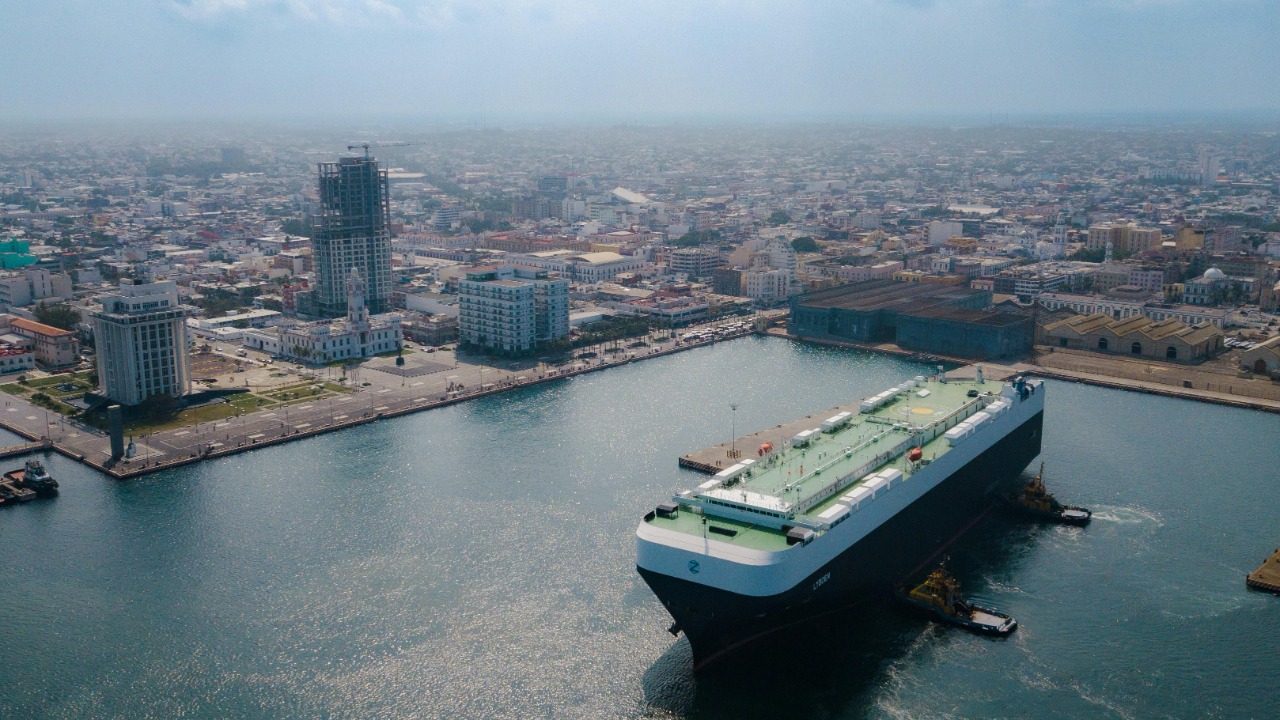
Rising American tariffs were designed to squeeze foreign competitors, especially in Asia, and to pull production back to U.S. soil. Instead, they have supercharged a different trend: a rapid redirection of global supply chains toward the southern border. As companies race to stay inside the U.S. market while dodging higher duties, Mexico has emerged as the standout beneficiary of this new trade map.
Trade in goods between the United States and its neighbor has surged, factory orders are shifting south, and cross‑border logistics hubs are booming. Rather than weakening globalization, the tariff wave is rewiring it, concentrating more of it inside North America and giving Mexico a strategic leverage it has not enjoyed in decades.
How tariffs turned Mexico into America’s top supplier
When Washington raised duties on a wide range of imports, the expectation was that foreign shipments would shrink and domestic production would fill the gap. Instead, many multinationals simply moved assembly lines from Asia into North America, with Mexico becoming the preferred landing spot. Lower labor costs than in the United States, geographic proximity to major consumer markets and existing cross‑border infrastructure made the country an obvious alternative to factories in coastal China or Southeast Asia.
The result is that trade in goods between the U.S. and Mexico is on track to reach a record level, with cross‑border flows expanding even as tariffs bite into shipments from other regions. Reporting on the tariff fallout notes that U.S.‑Mexico goods trade is poised to hit a new high and that bilateral commerce in products has surged, underscoring how the policy shock has redirected supply chains rather than shrinking them. As American duties climbed, the value of goods moving between the two countries climbed as well, turning Mexico into the unexpected winner of a strategy that was supposed to curb foreign dependence.
From China’s loss to Mexico’s gain
One of the clearest signs of this shift is the changing hierarchy of U.S. trading partners. Earlier in the tariff cycle, China was the dominant foreign supplier to the American market, especially in electronics, machinery and consumer goods. As levies on Chinese products rose and uncertainty mounted around future access, importers began to look for alternative production bases that could still serve the United States efficiently. According to analysis of the trade war, in 2023 Mexico overtook China as the main supplier of goods to the United States, a symbolic passing of the baton that reflects years of gradual nearshoring.
This reordering is not just about headline rankings, it is about the composition of what crosses the border. Mexican exports to the United States have grown in sectors that were once dominated by Asian producers, including auto parts, household appliances and industrial equipment. The same reporting notes that, instead of collapsing under tariff pressure, Mexican exports to the United States have grown, highlighting how companies have re‑engineered their supply chains to keep serving American consumers while routing production through a lower‑tariff partner.
Tariff walls and the new North American production base
For Mexico, the key advantage is not just geography but preferential access to the U.S. market under regional trade rules. As of Aug. 1, 2025, analysis of Average Tariff Rates notes that Mexico’s access to the U.S. market, the destination for over 80% of Mexico’s exports, remains structurally more favorable than that of many Asian competitors. Even where specific Mexican products face a current 25% tariff, that rate has become the new base for corporate planning, encouraging firms to lock in North American production rather than gamble on future hikes against other countries.
In practice, that means more factories, warehouses and logistics hubs on Mexican soil that are tightly integrated with U.S. supply chains. Automakers that once shipped finished vehicles from Asia are now expanding assembly of models like the Chevrolet Blazer and Ford Bronco Sport in Mexican plants, then trucking them across the border to American dealerships. Electronics manufacturers are following a similar pattern, building components in Asia but doing final assembly in Mexico to qualify for regional content rules and avoid the steepest duties. The tariff wall that was supposed to insulate the United States has instead helped create a continental production base with Mexico as a central node.
Why companies prefer Mexico to reshoring
From a corporate perspective, the choice is not between China and Ohio, it is between a high‑cost domestic plant and a nearshore facility that still enjoys privileged access to the U.S. market. Rising American tariffs have raised the cost of importing from distant suppliers, but they have not erased the wage and regulatory gaps that make full reshoring expensive. For many firms, shifting production to Mexico offers a middle path: lower labor and operating costs than in the United States, shorter shipping times than Asia and a tariff profile that is more predictable than that facing rivals in China and other targeted economies.
Reporting on the tariff fallout underscores how this calculus is playing out in trade data. One analysis notes that U.S.‑Mexico trade in goods is on track to reach a record, with cross‑border commerce in products rising sharply even as duties climb. The same coverage highlights that trade in goods between the U.S. and Mexico is on track to reach a record and that bilateral flows have surged, reinforcing the idea that companies are not abandoning global supply chains but are re‑anchoring them inside North America. In effect, the tariff regime has turned Mexico into a pressure valve that absorbs production that might otherwise have stayed in Asia or been forced back into higher‑cost American plants.
Domestic politics, public reaction and the risks ahead
The political narrative around tariffs often focuses on punishing rivals like China and reviving American manufacturing, but the on‑the‑ground reality is more complicated. As American duties have climbed, some of the most visible beneficiaries have been Mexican factories and logistics corridors, not the U.S. industrial heartland. Public debate reflects this tension, with online discussions pointing out that Mexico approves tariffs on China and other countries even as it gains from American measures, a reminder that trade policy is now a multi‑layered contest rather than a simple bilateral standoff.
There are also signs that Mexico is not just a passive recipient of diverted investment but an active player in the tariff game. As American measures hit Asian exporters, reports note that the unexpected winner is Mexico, with policymakers in Mexico City calibrating their own tariffs and incentives to lock in this advantage. At the same time, think‑tank analysis warns that Mexico’s current 25% tariff exposure on some exports has become the new base, meaning that any further escalation from Washington could still hurt sectors that have boomed under the current rules. The country’s success is therefore tightly bound to the durability of the North American trade framework and to how far American leaders are willing to push the tariff tool.
Can Mexico’s boom last if tariffs keep rising?
The durability of Mexico’s windfall depends on whether the current tariff structure stabilizes or keeps ratcheting higher. If American policymakers continue to target specific countries and sectors while preserving relatively open access for regional partners, Mexico is well positioned to deepen its role as a manufacturing hub. Analyses of the tariff landscape emphasize that trade in goods between the U.S. and Mexico is on track to reach a record and that cross‑border commerce has surged 17%, suggesting that companies are betting on a long‑term North American orientation rather than a temporary workaround. One report notes that trade in goods between the U.S. and Mexico is on track to set new records, a sign that firms are making multi‑year commitments rather than short‑term hedges.
Yet there are clear vulnerabilities. Mexico’s heavy reliance on the U.S. market, where over 80% of its exports are destined, means that any broad tariff hike on regional partners would hit especially hard. At the same time, other countries are trying to replicate Mexico’s nearshoring appeal, offering their own incentives and trade deals to lure investment. Analysts who describe how the unexpected winner of rising American tariffs is Mexico also caution that this advantage is contingent on political choices in Washington and Mexico City, from infrastructure spending at border crossings to the enforcement of labor and environmental standards that underpin regional trade rules. For now, the tariff era has tilted the playing field in Mexico’s favor, but keeping that edge will require careful management of a relationship that is both lucrative and fragile.
More From TheDailyOverview

Grant Mercer covers market dynamics, business trends, and the economic forces driving growth across industries. His analysis connects macro movements with real-world implications for investors, entrepreneurs, and professionals. Through his work at The Daily Overview, Grant helps readers understand how markets function and where opportunities may emerge.

