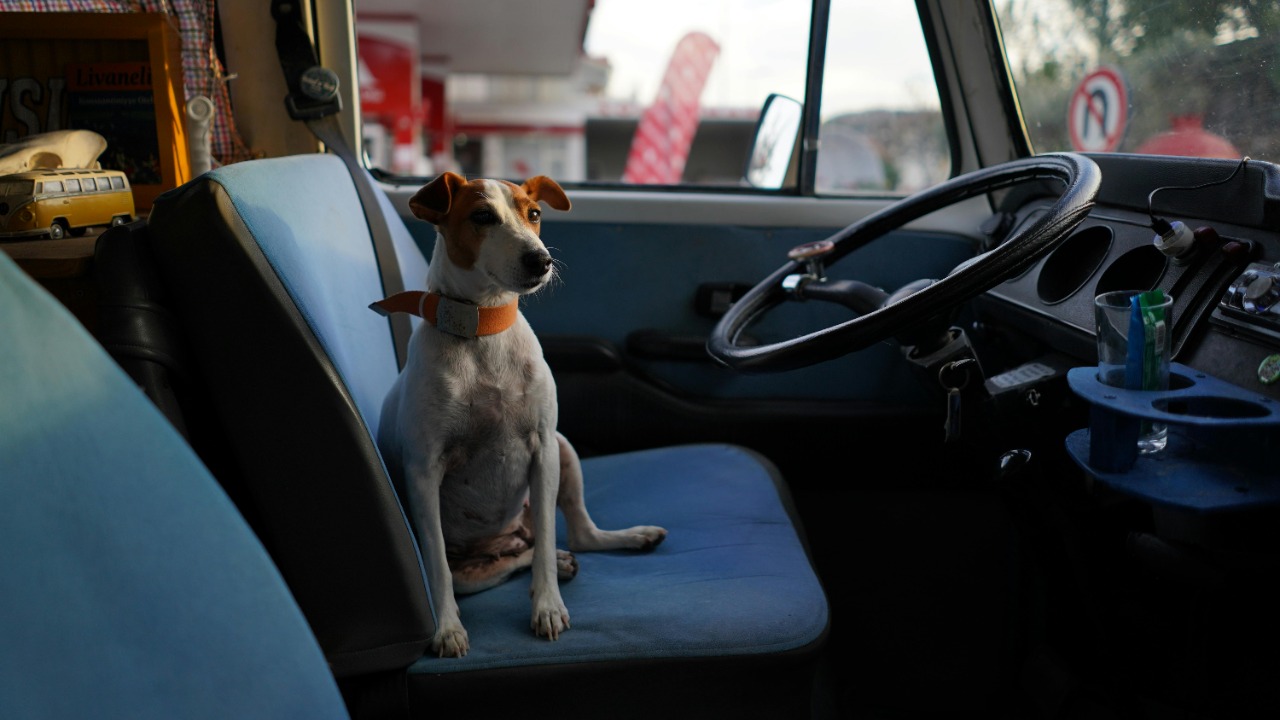
As retirees increasingly hit the road with their furry companions, the trend of pet-friendly travel is on the rise. More than 70% of pet owners have planned vacations that include their animals, reflecting a growing desire to explore destinations like national parks and scenic byways without the hassle of air travel. This movement aligns with the updated 2025 guidelines for pet travel, which emphasize thorough preparation to ensure safe and enjoyable journeys for both pets and their owners. Yahoo Lifestyle and Kiplinger highlight the importance of these guidelines in facilitating stress-free travel experiences.
Planning Your Pet-Friendly Route

Mapping out a pet-friendly route is crucial for a successful road trip with your dog or cat. Utilizing apps that provide real-time locations of pet services, such as rest areas with walking paths and nearby veterinary clinics, can greatly enhance your travel experience. These tools help ensure that your journey is as smooth as possible, allowing you to focus on enjoying the trip rather than worrying about unexpected challenges. According to The New York Times, these apps are invaluable for identifying pet-welcoming stops along your route.
Budgeting for pet-specific expenses is another important aspect of planning your trip. Consider potential costs such as fuel surcharges for larger vehicles and fees at pet-friendly campgrounds. To save money, pack your own pet food to avoid regional price hikes. This approach not only helps manage expenses but also ensures that your pet’s dietary needs are consistently met throughout the journey. Yahoo Lifestyle suggests these strategies as effective ways to keep your travel budget in check.
Seasonal considerations are also vital when planning a summer road trip. To minimize stress for your pet, avoid traveling during peak heat hours and opt for cooler routes through shaded or coastal areas. This not only ensures your pet’s comfort but also enhances the overall travel experience by providing more pleasant driving conditions. Yahoo Lifestyle emphasizes the importance of these considerations in maintaining your pet’s well-being during summer travels.
Preparing Your Pet for the Journey
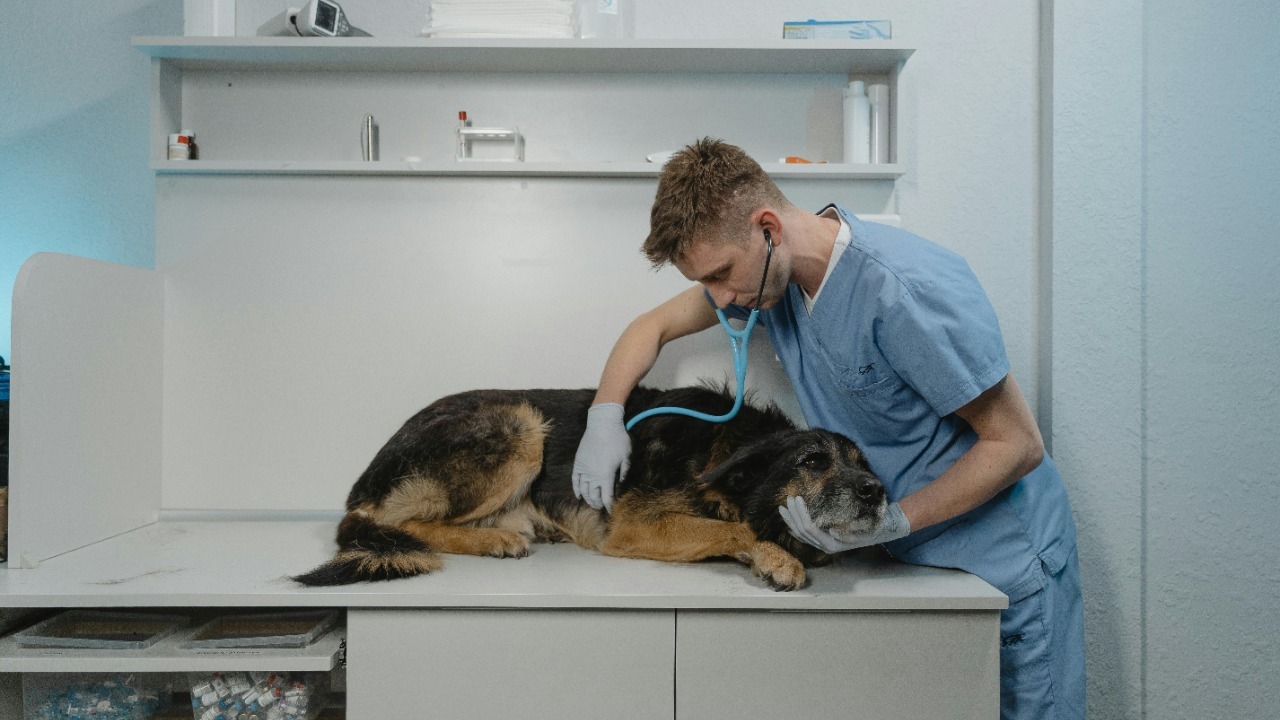
Before embarking on your road trip, it’s essential to ensure your pet is in good health. Schedule a visit to the vet for a comprehensive checkup, including up-to-date vaccinations and microchipping. Consulting with your vet about travel medications, such as motion sickness remedies tailored for dogs and cats, can also be beneficial. These preparations help prevent health issues during the trip and provide peace of mind for pet owners. The New York Times highlights the importance of these health measures in ensuring a safe journey.
Packing a pet travel kit is another crucial step in preparing for your trip. Include items such as collapsible bowls, leashes, waste bags, and identification tags. If your journey involves crossing international borders, ensure compliance with any specific regulations, such as those required for travel to Spain. Idealista provides guidance on navigating these requirements, emphasizing the importance of thorough preparation.
Acclimating your pet to car travel is essential for a smooth journey. Start with short practice drives to monitor for signs of anxiety and help your pet become comfortable with the experience. If road trips prove unsuitable for your pet, consider alternatives such as hiring a pet sitter. This ensures that your pet’s needs are met while you enjoy your travels. Kinship suggests these strategies to help pet owners make informed decisions about their travel plans.
On-the-Road Safety and Comfort

Ensuring your pet’s safety and comfort during the journey is paramount. Set up your vehicle to secure pets in crates or harnesses, preventing distractions while driving. Schedule frequent breaks every 2-3 hours for exercise and hydration, allowing your pet to stretch and stay refreshed. These practices not only enhance safety but also contribute to a more enjoyable travel experience for both you and your pet. The New York Times underscores the importance of these measures in maintaining a safe travel environment.
Managing emergencies is another critical aspect of road trip safety. Carry a pet first-aid kit and familiarize yourself with the locations of 24-hour animal hospitals along your route. This preparation ensures that you are ready to handle any unexpected situations that may arise, providing peace of mind throughout your journey. Kiplinger highlights the significance of these precautions in ensuring a safe and stress-free trip.
Weather-related precautions are also essential for your pet’s comfort. Never leave pets in parked cars, as temperatures can quickly become dangerous. Consider using cooling vests for hot climates to keep your pet comfortable during extended drives. These measures help protect your pet from heat-related stress and ensure a pleasant travel experience. Yahoo Lifestyle emphasizes the importance of these precautions in maintaining your pet’s well-being.
Finding Pet-Accommodating Stays and Activities

When planning your accommodations, explore options that cater to pets, such as RV parks with pet runs or hotels with no size restrictions. It’s important to check policies on breeds and make advance reservations, especially during peak retirement travel seasons. These considerations ensure that your accommodations meet your pet’s needs and provide a comfortable stay. The New York Times provides insights into finding suitable lodging options for pet owners.
Engage in pet-inclusive activities to enhance your travel experience. Consider leashed hikes in dog-friendly parks or beach outings, while being mindful of restrictions in protected areas. Off-leash zones can also offer opportunities for cats in carriers to explore safely. These activities not only enrich your trip but also provide valuable bonding time with your pet. Idealista highlights the benefits of these activities in creating memorable travel experiences.
For those considering international road trips, explore destinations in Europe that welcome pets. Be aware of requirements such as EU pet passports and rabies titer tests, which are effective in 2025. These preparations ensure compliance with international regulations and facilitate a smooth travel experience. Idealista provides guidance on navigating these requirements, emphasizing the importance of thorough planning for international travel.

Nathaniel Cross focuses on retirement planning, employer benefits, and long-term income security. His writing covers pensions, social programs, investment vehicles, and strategies designed to protect financial independence later in life. At The Daily Overview, Nathaniel provides practical insight to help readers plan with confidence and foresight.