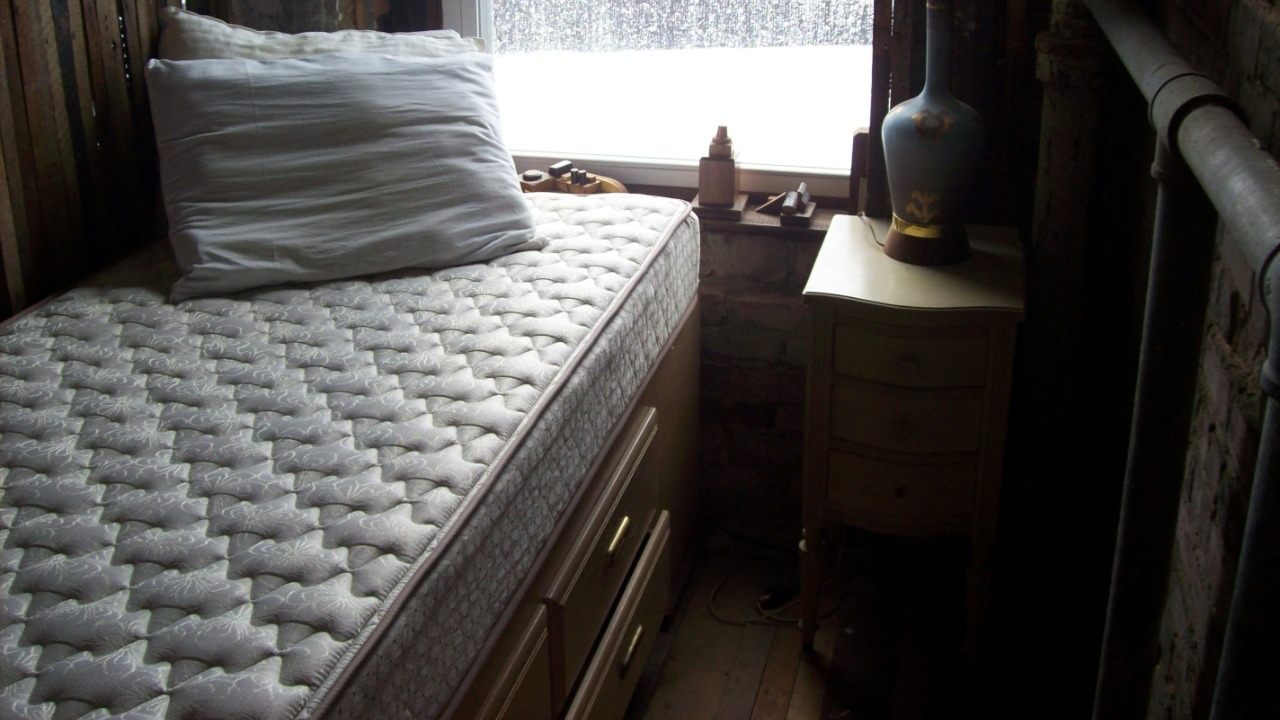
In Colorado, a growing number of entrepreneurs are finding profit in recycling and repurposing items like old mattresses. One operation in the state reports steady revenue by processing thousands of units annually through resale and material recovery. This trend highlights a burgeoning market where waste is transformed into economic opportunity, reflecting broader shifts toward sustainability and resource efficiency.
The Growing Market for Used Mattresses

The demand for used mattresses is driven by several factors, including a rising consumer interest in affordable and eco-friendly bedding options. Amid inflation, more consumers are turning to resale platforms like Craigslist and Facebook Marketplace, which see hundreds of listings monthly in urban areas such as Denver. These platforms cater to budget-conscious buyers looking for quality mattresses at a fraction of the cost of new ones. The appeal of these options is further enhanced by the environmental benefits of purchasing second-hand goods, aligning with a growing societal emphasis on sustainability.
Supply sources for used mattresses are abundant, with hotels and apartment complexes discarding hundreds of mattresses yearly due to wear and tear. This creates a steady influx for resellers who can refurbish and resell these items. According to a report from The Colorado Sun, cleaned and refurbished mattresses can fetch between $100 and $300 each, depending on their condition and the saturation of the local market. This price range is significantly lower than new mattresses, which typically cost $500 or more, making refurbished options attractive to a wide range of consumers.
Challenges in Sourcing and Cleaning Old Mattresses
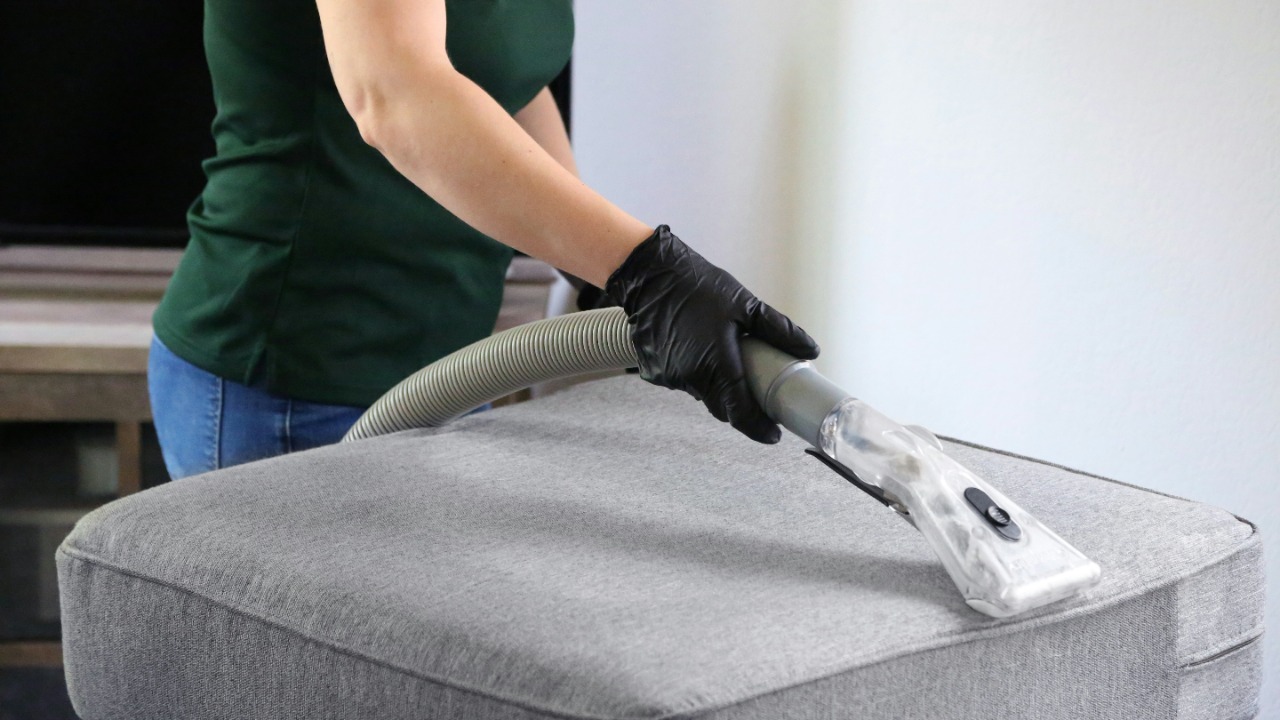
Despite the opportunities, reselling old mattresses comes with its challenges, particularly regarding hygiene. Professional steam cleaning and pest treatment are essential to meet health standards, as untreated mattresses often harbor allergens and bedbugs that can deter potential buyers. Ensuring that mattresses are free from these issues is crucial for maintaining customer trust and satisfaction.
Transportation logistics also pose a significant challenge. Resellers must navigate the difficulties of moving bulky items, often requiring vans or trailers. The costs associated with transportation, including fuel and labor, can range from $50 to $100 per load. These expenses add to the operational costs of reselling mattresses, impacting profit margins. Additionally, legal restrictions, such as state bans on landfill disposal in places like Colorado, necessitate that resellers obtain certifications for handling potentially contaminated waste, adding another layer of complexity to the business.
Profitable Strategies for Reselling
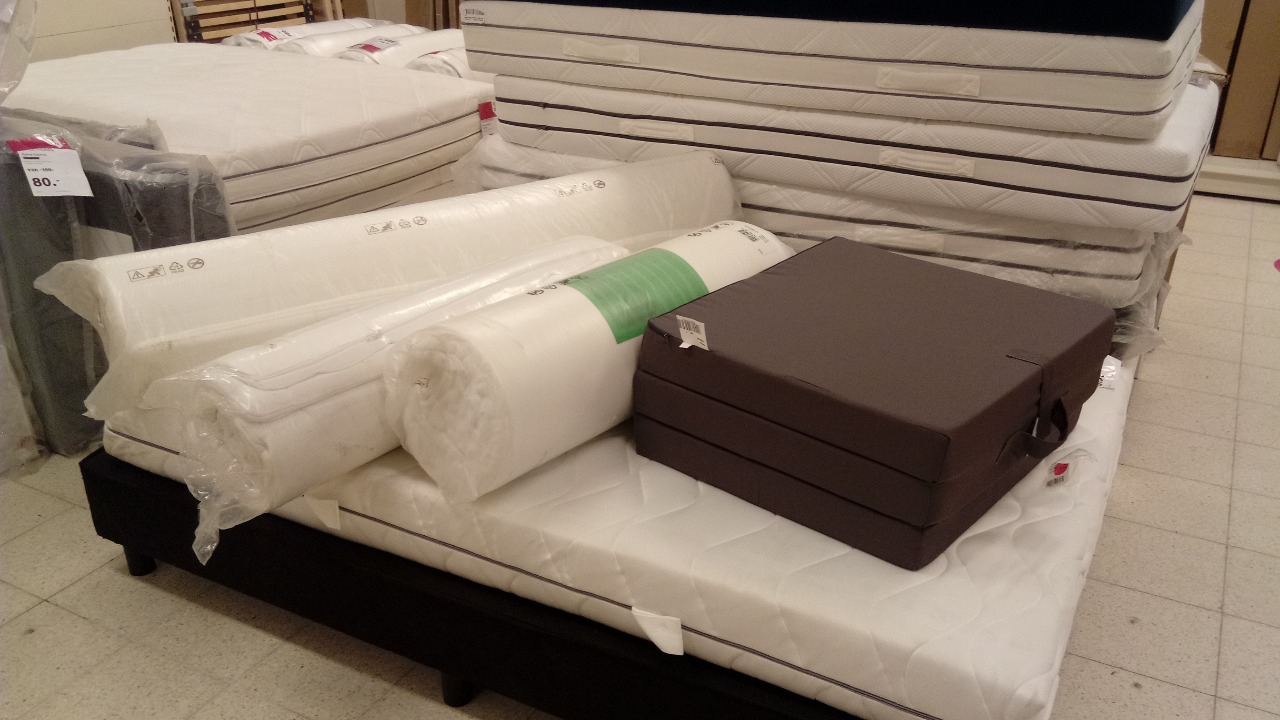
To maximize profitability, resellers employ various refurbishment techniques. These include reupholstering or separating components like foam and springs for resale. One Colorado-based operation uses these methods to achieve profit margins of 40–60% on flipped items. Such strategies not only enhance the value of the mattresses but also contribute to waste reduction by repurposing materials that would otherwise end up in landfills.
Sales channels play a crucial role in the success of mattress reselling businesses. Online marketplaces and pop-up shops offer platforms for reaching budget-conscious buyers. Targeted marketing efforts can yield monthly revenues of $5,000 to $10,000 for small-scale resellers. To scale their operations, some entrepreneurs partner with recycling firms to access bulk inventory, reducing per-unit acquisition costs to under $20. This approach allows resellers to maintain competitive pricing while increasing their profit margins.
Environmental and Economic Impacts

The environmental benefits of reselling mattresses are significant. By diverting thousands of mattresses from landfills annually, resellers help conserve valuable resources like steel and foam. This is particularly important in regions with strict waste regulations, where landfill space is limited. The practice of reselling not only supports sustainability efforts but also aligns with broader environmental goals of reducing waste and promoting resource efficiency.
Economically, the reselling of mattresses contributes to the circular economy by creating jobs and supporting local GDP. Ventures in waste repurposing offer low-barrier entry opportunities for startups, fostering innovation and entrepreneurship. However, the market is not without risks. Economic downturns can lead to oversupply, causing resale values to drop by 20–30%. To mitigate these risks, resellers are advised to diversify into related waste streams, ensuring a more stable revenue flow.

Elias Broderick specializes in residential and commercial real estate, with a focus on market cycles, property fundamentals, and investment strategy. His writing translates complex housing and development trends into clear insights for both new and experienced investors. At The Daily Overview, Elias explores how real estate fits into long-term wealth planning.