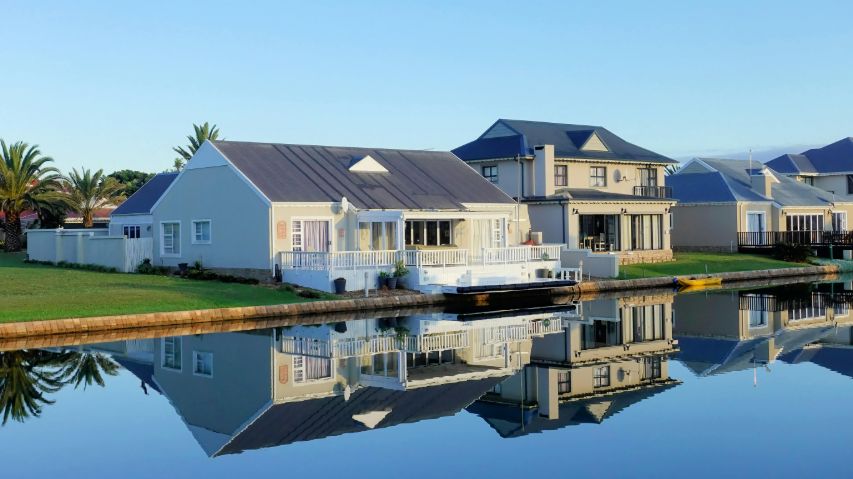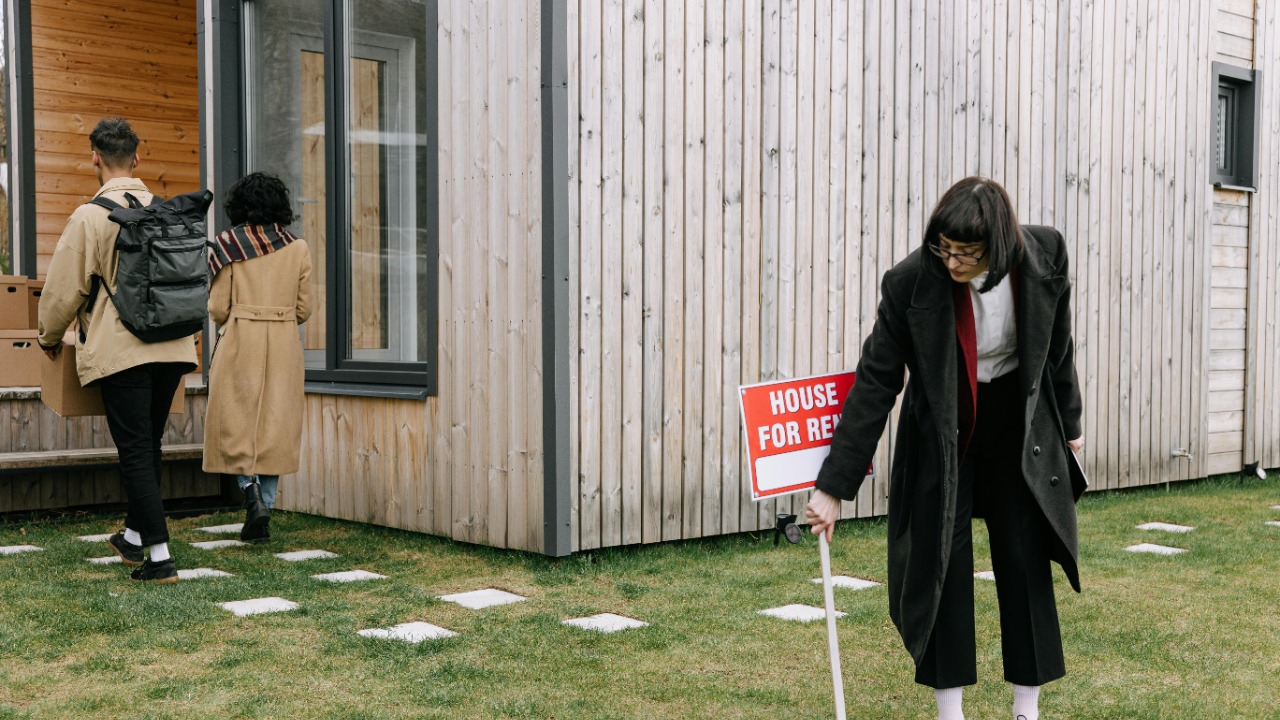
Rehabbing a rental property for the first time can be both exciting and overwhelming. It’s easy to make mistakes that can cost both time and money. Understanding common pitfalls can help you avoid them and ensure a successful project. Here are seven rookie errors to watch out for during your first rental rehab.
1. Underestimating the Budget

One of the most common mistakes is underestimating the budget. Many first-time landlords overlook hidden costs such as permits, unexpected repairs, or price fluctuations in materials. A comprehensive budget should account for a 10-20% contingency fund to cover unforeseen expenses. Failing to do so can lead to financial strain, which might delay the renovation process.
Consider consulting with experienced landlords or real estate professionals to get a realistic budget estimate. Resources like Renters Warehouse provide valuable insights into budgeting pitfalls for novice landlords.
2. Ignoring Local Regulations

Local regulations can vary significantly, and ignoring them can lead to costly fines or even legal action. It’s crucial to familiarize yourself with zoning laws, building codes, and rental regulations in your area. These rules can impact everything from the types of renovations you can undertake to the way you market your rental property.
Before starting any work, check with your local municipal office or consult an expert to ensure compliance. This guide can help you navigate the complexities of local rental laws effectively.
3. Skipping the Inspection Process
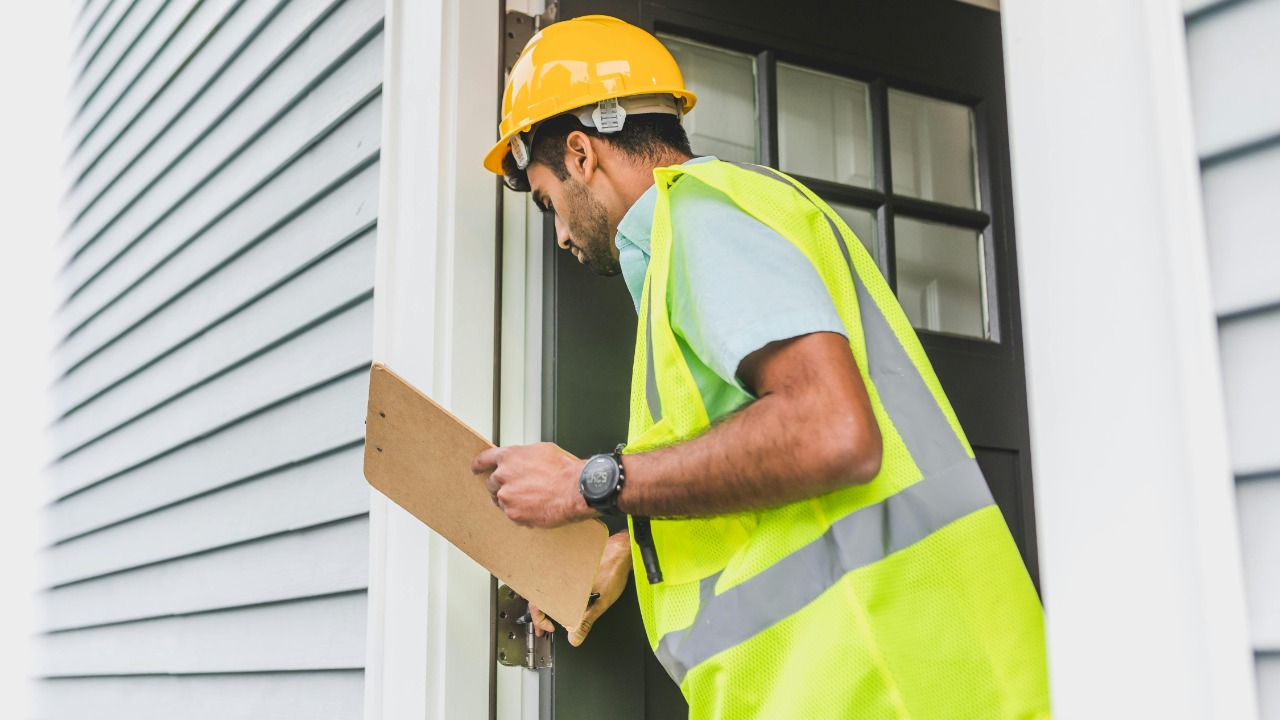
Skipping a thorough inspection can lead to missed issues that could become costly repairs later. An inspection can uncover hidden problems such as mold, structural damage, or outdated electrical systems that need attention. Addressing these issues before starting renovations can save time and money in the long run.
Hiring a certified home inspector is a small investment compared to the potential costs of missed problems. Inspections ensure that you start with a clear understanding of the property’s condition, allowing for a more accurate renovation plan.
4. Choosing the Wrong Contractors
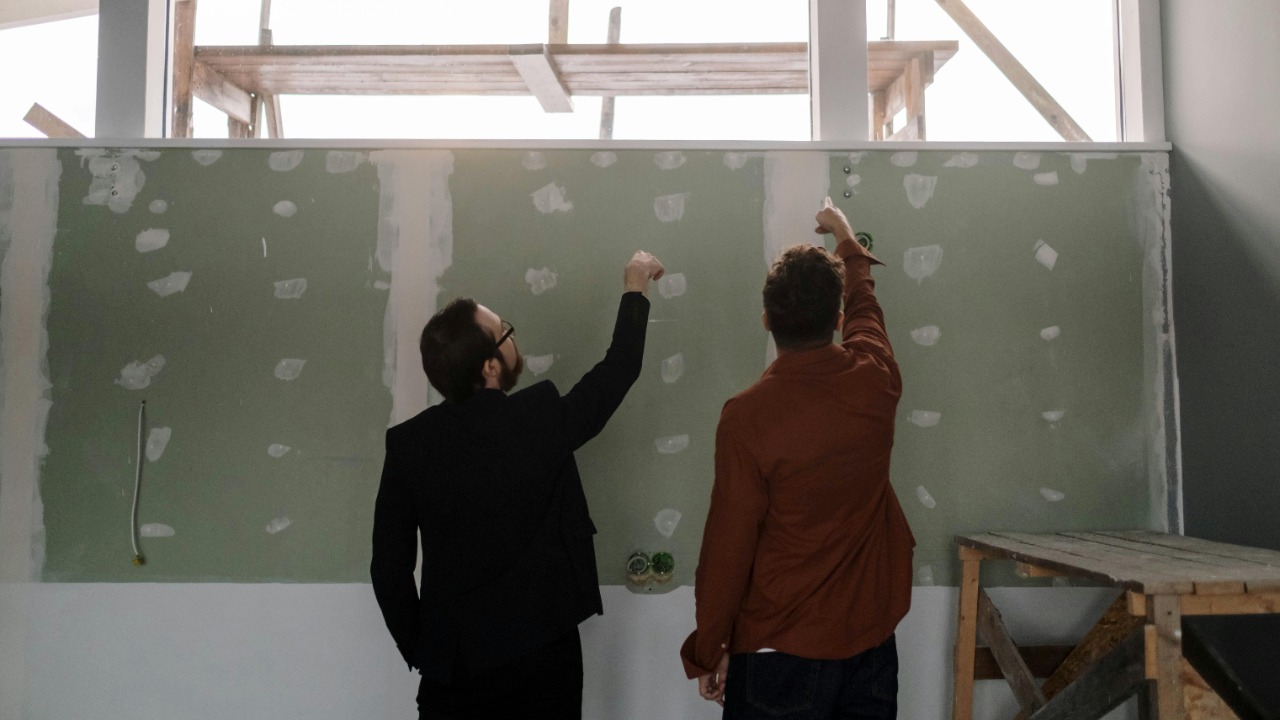
Hiring unqualified or unreliable contractors can result in subpar work and delays. It’s vital to vet contractors thoroughly by checking references, verifying licenses, and reviewing past work. Opting for the cheapest option isn’t always the best choice, as it can lead to higher costs due to poor workmanship.
Consider using trusted sources or recommendations from other landlords. Ensuring you have the right professionals on your team can make all the difference in the quality and timeline of your rehab project.
5. Overlooking Essential Repairs
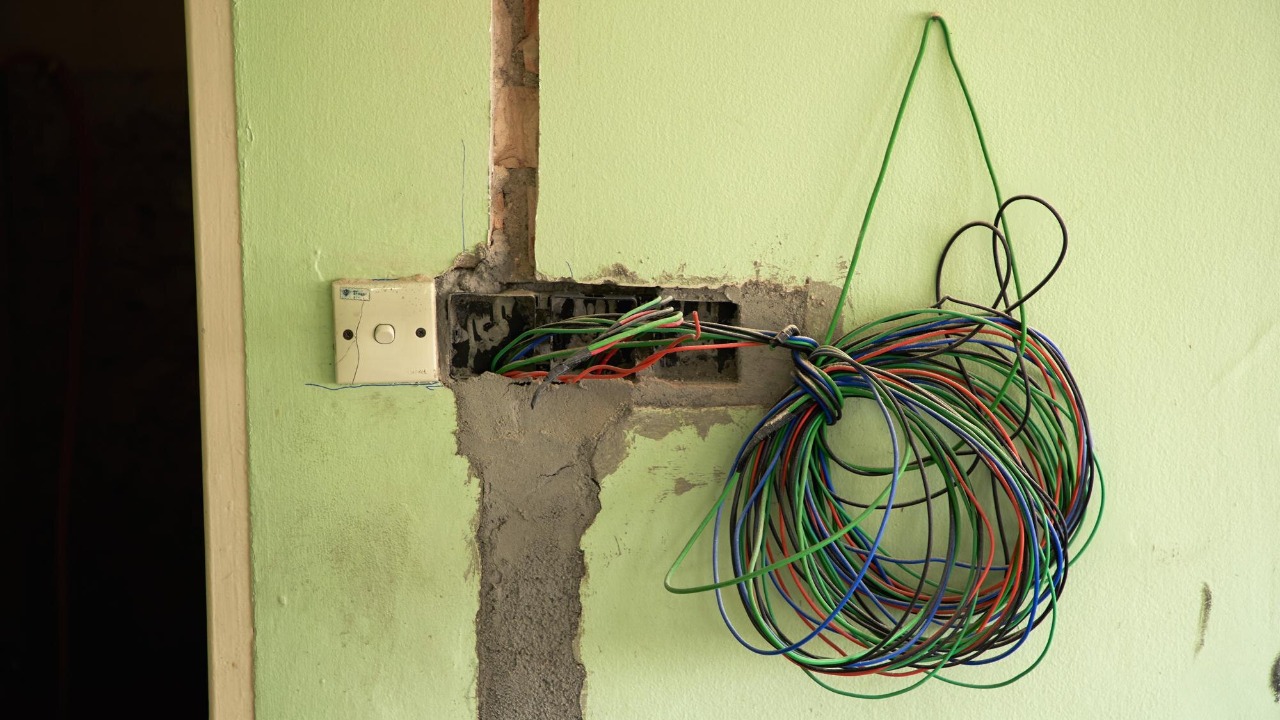
Focusing solely on aesthetic upgrades while ignoring essential repairs is a rookie error. Issues like plumbing leaks, faulty wiring, or a compromised foundation should take precedence over cosmetic improvements. Neglecting these can lead to long-term damage and higher repair costs down the line.
Always prioritize repairs that affect the safety and functionality of the property. A well-maintained property not only attracts quality tenants but also preserves the investment value over time.
6. Neglecting Tenant-Friendly Features
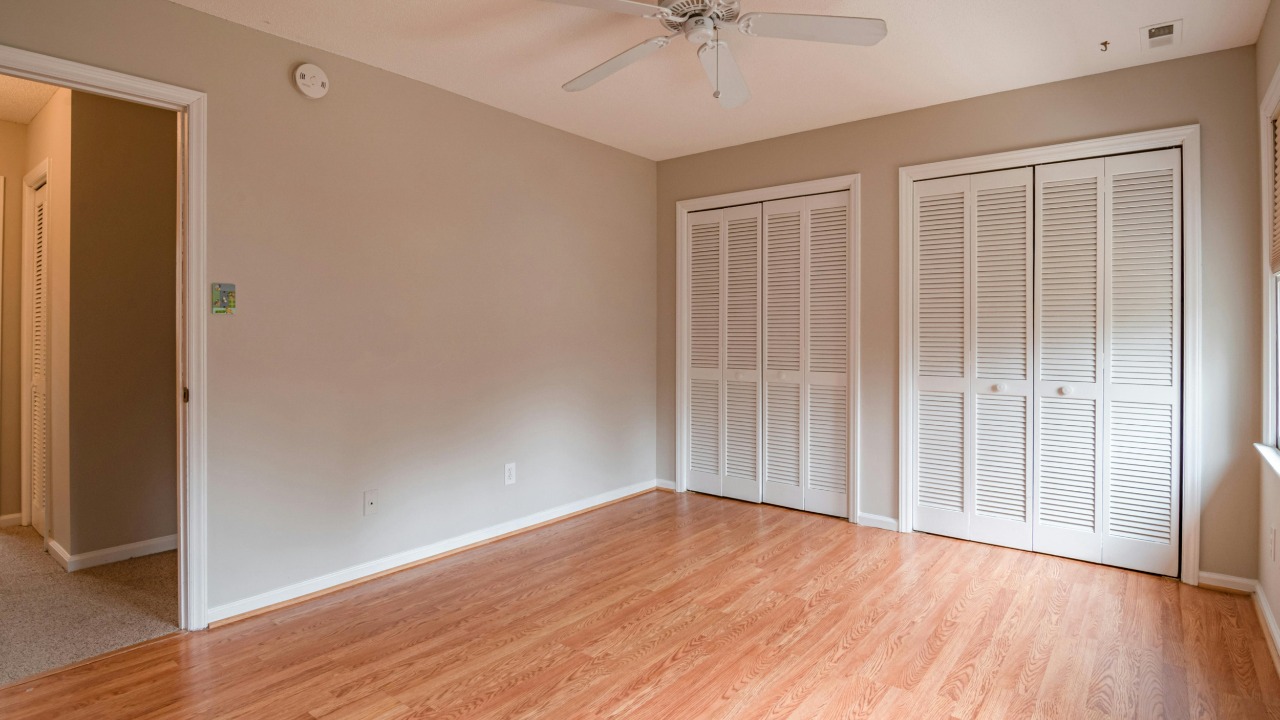
While it might be tempting to design a rental property to your own taste, remember that tenant-friendly features are crucial. Focus on amenities like energy-efficient appliances, ample storage space, and durable flooring that appeal to a wide range of potential renters.
Adapting the property to meet tenant needs can enhance its desirability, leading to faster rentals and potentially higher rent. Resources like Afford Anything offer tips on balancing aesthetics with functionality.
7. Rushing the Renovation Timeline
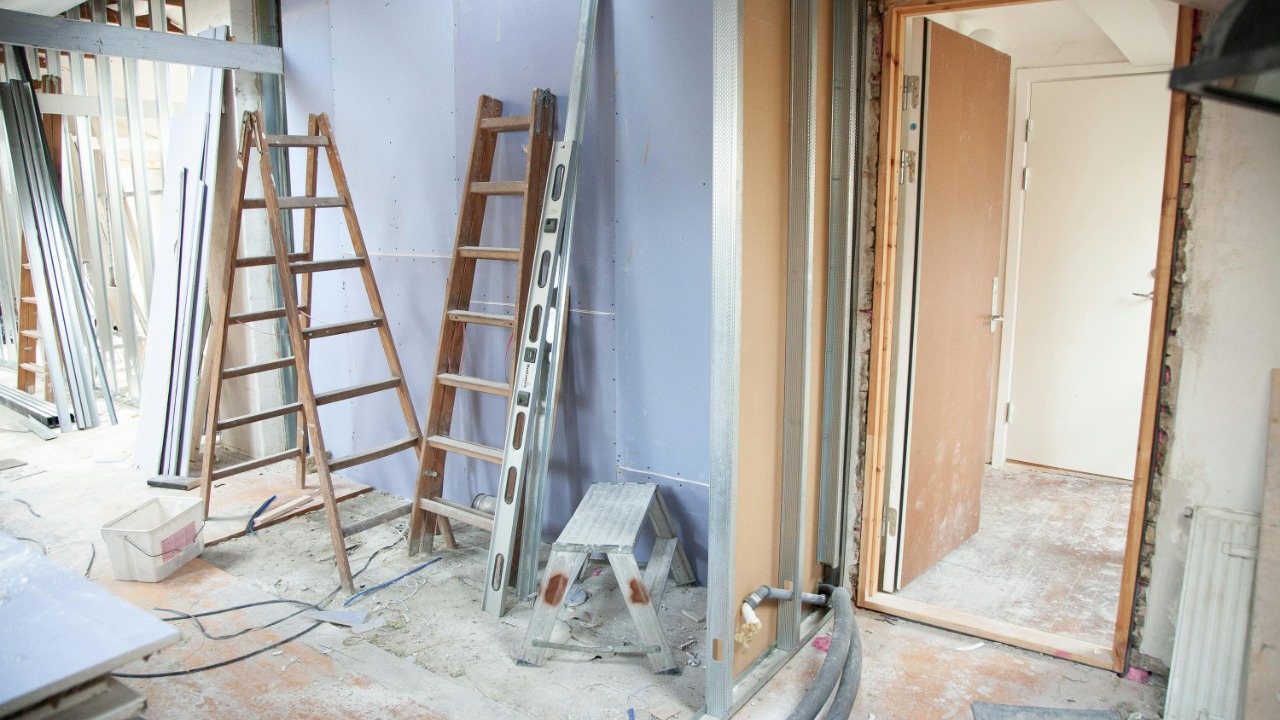
Rushing the renovation can lead to oversight and mistakes. It’s important to set realistic timelines that allow for thorough planning and quality execution. A rushed job often results in substandard work, which can lead to tenant dissatisfaction and increased maintenance costs later.
Plan for potential delays due to weather, supply chain issues, or unforeseen complications. Taking the time to do the job right ensures that the property is ready for tenants and helps avoid costly fixes after the fact. For more in-depth advice, check out this detailed guide.

Elias Broderick specializes in residential and commercial real estate, with a focus on market cycles, property fundamentals, and investment strategy. His writing translates complex housing and development trends into clear insights for both new and experienced investors. At The Daily Overview, Elias explores how real estate fits into long-term wealth planning.