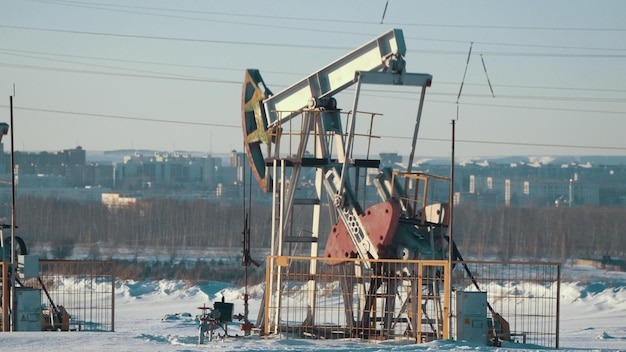
Russia’s oil and gas takings have slumped to their weakest level since the early pandemic shock of 2020, stripping the Kremlin of the easy money that once underwrote both domestic spending and the war in Ukraine. The fall reflects a mix of lower global prices, widening discounts on Russian barrels and the slow grind of sanctions that are finally biting into the country’s most important export sector.
The headline numbers are stark, but the political stakes are even sharper: a budget that was built on optimistic assumptions is now riddled with holes, and Moscow is being forced into a delicate trade off between guns and butter that it has long tried to avoid.
The five year low that broke the war time illusion
Russia’s leadership spent much of the past two years insisting that sanctions had failed and that energy exports were humming along, but the latest budget data tell a different story. Official figures show that oil and gas receipts have dropped to a five year low, a level last seen in the depths of 2020, as the state’s take from its flagship industry has effectively been cut in half compared with the previous year, according to detailed reporting on budget revenue. That collapse has turned what was supposed to be a manageable deficit into a structural problem, because hydrocarbons still anchor the tax base even after two years of war time improvisation.
The scale of the slide becomes clearer when I look at the broader annual picture. Analysts tracking the 2025 results say Russia’s oil revenues alone fell by 24 percent, contributing to a budget shortfall of about 72 billion dollars and leaving the Finance Ministry scrambling to plug the gap that opened up once global prices moved against Moscow’s assumptions on the benchmark Ural blend, a shift laid out in detail in Russia’s Finance Ministry. When I combine that annual hit with the latest monthly data, the picture that emerges is of a petro state that is no longer cushioned by windfall profits and is instead being squeezed from both the revenue and spending sides.
Sanctions, price caps and the widening Ural discount
The drivers of this downturn are not mysterious, and they start with the way sanctions have reshaped Russia’s place in global energy markets. The G7 price cap on seaborne crude, introduced to curb Moscow’s income while keeping barrels flowing, has steadily tightened the screws, and by last summer Russia’s oil and gas revenues had already fallen for a third consecutive month as the cap, first imposed by the G7 in late 2022, limited how much buyers were willing to pay for sanctioned cargoes, a trend captured in coverage of the cap. That mechanism has not stopped exports outright, but it has forced Russia to accept lower prices and shoulder higher transport and insurance costs, eroding the net income that flows into the federal budget.
On top of the cap, the discount on Russian Urals crude has ballooned as traditional European buyers stepped back and Moscow pivoted to more price sensitive customers in Asia. One detailed breakdown notes that Russia’s oil revenues fell 20 percent in 2025 as sanctions and price drops combined with a growing markdown on Russian Urals barrels, which had to be sold at a steep concession to clear the market, a pattern spelled out in the analysis of the Russian Urals. When I factor in that discount alongside the cap, it becomes clear that Russia is exporting roughly similar volumes but earning far less per barrel, a classic case of volume over value that is now catching up with the Kremlin.
Budget strain and the Kremlin’s war chest
The fiscal consequences of this revenue shock are already visible in the way Moscow is talking about its own finances. In a January report on the execution of the 2025 federal budget, Russia’s Finance Ministry acknowledged a sharp drop in oil and gas income, and Russian Finance Minister Anton Siluanov has been forced to explain how the state will cope with the shortfall in oil and gas revenues that once paid for generous social programs and a rapid military buildup, a dilemma laid out in detail in the ministry’s own Finance Ministry analysis. The Kremlin’s war chest, once swollen by high prices, is now being drawn down more quickly, forcing a choice between raiding reserves, borrowing more heavily at home or cutting spending in politically sensitive areas.
That pressure is magnified by the fact that The Kremlin built its 2025 budget on the assumption that Ural crude would fetch a significantly higher price than it actually did, and similar optimism appears baked into the 2026 plan, which again assumes stronger pricing for Ural than current market levels justify, as highlighted in the breakdown of how The Kremlin framed its forecasts. When I line up those rosy assumptions against the reality of shrinking receipts, it suggests that further mid year budget revisions are likely, and that the leadership will have to decide whether to trim non military spending or risk higher inflation by leaning harder on domestic borrowing and the central bank.
From macro shock to everyday pain
For now, the numbers can sound abstract, but they are already filtering into the real economy in ways that ordinary Russians can feel. One recent snapshot of the energy sector notes that Russia’s budget revenues from oil and gas have halved compared with the previous year, hitting their lowest level since 2020 and forcing officials to acknowledge that the share of hydrocarbons in overall income has dropped to about 2 percent of Russia’s GDP, a record low during Vladimir Putin’s presidency, according to data summarized by GDP. That shift is not the result of a sudden diversification miracle, but of a painful contraction that leaves less money for regional subsidies, pensions and the kind of infrastructure projects that once helped buy political loyalty.
The strain is also showing up in the central bank’s own warnings. Officials there have cautioned that the export outlook will worsen in the first quarter, a trend that could push the budget deficit to nearly three times the level originally planned and force policymakers to juggle competing priorities like defending the ruble and keeping borrowing costs under control, a balancing act described in assessments of the export outlook. When I connect those macro signals to the micro level, it points toward tighter credit, slower wage growth and more pressure on regional governments that rely heavily on transfers from Moscow, all of which could erode the social contract that has underpinned Putin’s rule.
Why this downturn is different from 2020
It might be tempting to see the current slump as just another commodity cycle, similar to the pandemic shock that briefly crushed prices in 2020, but several structural factors make this downturn more dangerous for the Kremlin. Earlier this year, detailed budget data showed that Russia’s oil and gas revenues had fallen to their lowest point since July 2020, and that this income now accounts for only a sliver of GDP compared with the pre war years, a trend that analysts say reflects not just Low prices but also a permanent loss of premium markets in Europe, as highlighted in the reporting on how Russia’s budget revenues have shifted. Unlike in 2020, when demand rebounded quickly once lockdowns eased, Russia now faces a web of sanctions, legal risks and self sanctioning by Western companies that will not unwind even if prices tick higher.
More From The Daily Overview
*This article was researched with the help of AI, with human editors creating the final content.

Grant Mercer covers market dynamics, business trends, and the economic forces driving growth across industries. His analysis connects macro movements with real-world implications for investors, entrepreneurs, and professionals. Through his work at The Daily Overview, Grant helps readers understand how markets function and where opportunities may emerge.

