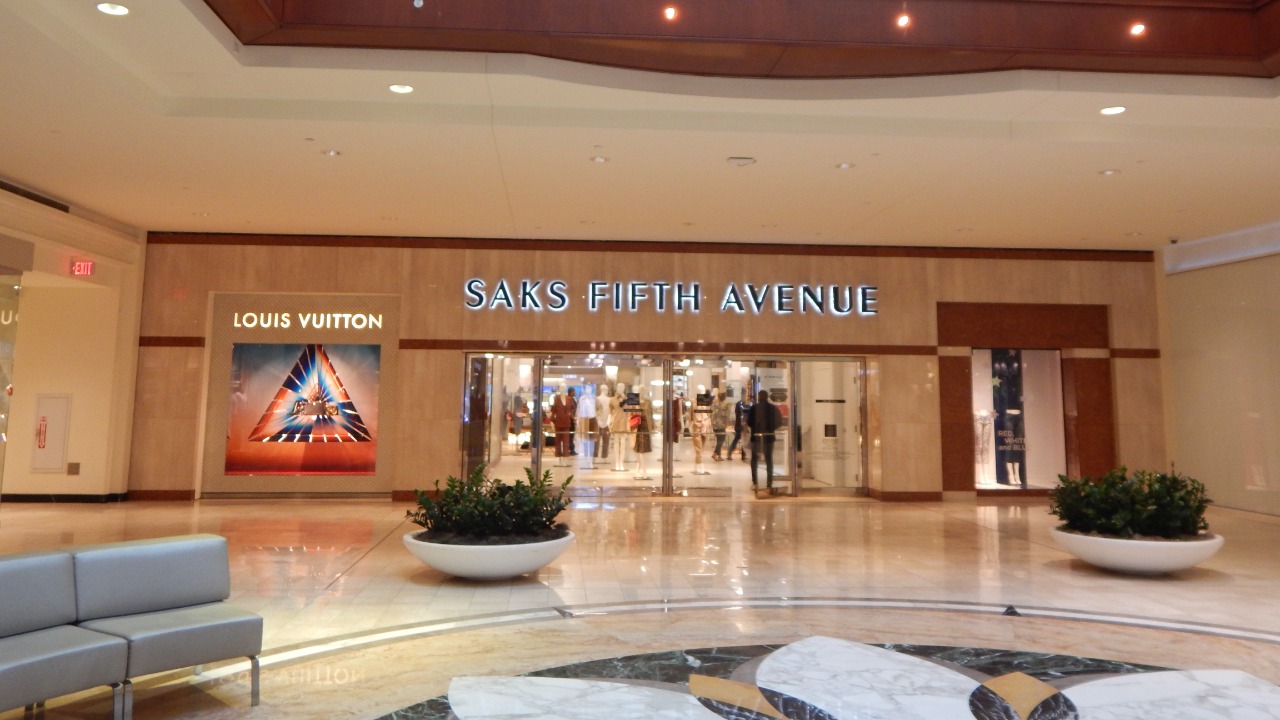
Saks Global, the owner of Saks Fifth Avenue, Neiman Marcus and Bergdorf Goodman, has collapsed into Chapter 11 with as much as $10 billion in debt, a dramatic fall for a 159-year-old name in luxury retail. The filing instantly turned a slow-burning restructuring story into a full-blown crisis for creditors, suppliers and shoppers who had treated Saks as a byword for stability at the top end of the market. I see the case as a stress test of whether old-guard department store empires can survive in a luxury sector that is otherwise still growing.
The bankruptcy is not just about one company’s balance sheet. It exposes how aggressive dealmaking, heavy leverage and a misread of post-pandemic consumer behavior can overwhelm even the most storied brands, and it raises uncomfortable questions for everyone from European fashion houses to tech investors who bet on Saks’ digital pivot.
The scale of the collapse
The core fact of this case is its size. Saks Global has acknowledged that it owes up to $10 billion, a burden that pushed the group into seeking Chapter 11 protection in a Texas court. In its petition, the company identified itself as the parent of Saks Fifth Avenue, Neiman Marcus and Bergdorf Goodman, and listed between 10,001 and 25,000 parties with claims, a reminder that this is not a contained corporate clean-up but a sprawling legal process touching landlords, vendors and financial institutions across the country. The Chapter filing by Saks Global formalized what many in the industry had already concluded: the capital structure was no longer sustainable.
That reality is even starker when set against the company’s heritage. Saks Global controls the 159-year-old department store that has long been a symbol of luxury shopping in North America, a business that once defined aspirational consumption for generations of middle and upper class consumers. Court filings show that the group’s liabilities sit alongside a complex web of bondholders and asset-based lenders, all of whom now have to negotiate over how much of their money can be salvaged from the wreckage of the Saks Global empire.
How a luxury giant lost its footing
To understand how a marquee luxury group ended up in court, I start with the strategy that was supposed to save it. Saks Global Holdings, which owns Saks Fifth Avenue and Neiman Marcus, leaned heavily on a merger-and-scale play, buying rival Neiman in 2024 and betting that a combined footprint would deliver cost savings and more leverage with brands. That deal was funded with significant borrowing, and the company struggled to shore up its finances even as it tried to integrate operations and maintain the cachet of both banners. The bankruptcy filing by Saks Global is, in many ways, an admission that the merger never delivered the breathing room management had promised.
The timing also worked against the group. On Wednesday, Saks Global Holdings sought protection just as other luxury players were reporting growth, highlighting how idiosyncratic its problems were. While European conglomerates leaned into direct-to-consumer boutiques and tightly controlled distribution, Saks remained heavily exposed to the traditional department store model, with large footprints, high fixed costs and a reliance on promotional events to drive traffic. That left it vulnerable when affluent shoppers shifted more of their spending online and into brand-owned stores, eroding the traffic that once justified Saks’ sprawling real estate.
Suppliers on the hook and the $225 million problem
The most immediate pain point in any retail bankruptcy is usually the supplier list, and here the numbers are striking. Saks filed for bankruptcy after a failed turnaround, leaving roughly $225 in unpaid obligations to some of the world’s most powerful luxury houses. Court documents show that Chanel, Kering and LVMH are among the largest unsecured creditors, with tens of millions owed for merchandise that has already been delivered and not paid for. The breakdown is stark: Chanel is owed about $136 million, Kering (which includes Gucci and Balenciaga) about $60 million, and LVMH about $26 million, according to an analysis of top claims tied to Saks.
Those figures matter beyond the courtroom. When brands like Chanel, Kering and LVMH are forced to write down receivables of that size, they inevitably rethink how much inventory they are willing to place with department stores, and on what terms. Credit teams across the industry are now combing through the Saks Global Bankruptcy case for key details and takeaways, from how quickly they can expect to be paid to whether they should tighten limits for other wholesale partners that share similar risk profiles. The fallout could accelerate a broader shift in luxury distribution, with more brands preferring to sell directly rather than rely on multi-brand retailers whose finances they do not control.
Stores, jobs and shoppers in limbo
Behind the balance sheet, there is a human and local story playing out in malls and downtowns. Saks’ bankruptcy filing creates uncertainty for iconic stores, suppliers and shoppers, particularly in cities where a Saks Fifth Avenue or Neiman Marcus serves as an anchor for high-end retail districts. Experts had warned that bankruptcy appeared inevitable, and now communities that relied on these flagships for jobs and tourism are bracing for potential closures or downsizing. The ripple effects described in BUSINESS coverage underscore how deeply embedded these stores are in local economies.
The uncertainty is even sharper for the off-price chain. Saks had already revealed plans back in November to close nine Saks Off 5th stores starting this month, a move that signaled management’s willingness to shrink in order to survive. That decision, which brings the total number of closures higher, now sits within a broader restructuring that could see more locations shuttered or leases renegotiated. The Fate of Saks and Saks Off 5th is now tied to how judges and lenders weigh the value of keeping marginal stores open against the potential recovery from liquidating inventory and cutting costs.
Big-name backers, restructuring bets and what comes next
One of the more surprising elements of the Saks saga is the roster of sophisticated backers who are now exposed. Amazon invested $475 million as part of Saks’ purchase of Neiman Marcus in December 2024, in exchange for the right to sell Saks products on its platform and deepen its reach into luxury. That $475 m stake was meant to align the fortunes of a tech giant and a traditional retailer, but it now sits inside a bankruptcy estate where recovery is uncertain and the original strategic logic is under pressure. The investment by Amazon shows how far-reaching the consequences of Saks’ collapse could be, touching not just fashion houses but also digital platforms that saw luxury as a growth frontier.
At the same time, management is trying to frame the process as a reset rather than an ending. Luxury retailer Saks Global has said it is using bankruptcy to prepare to restructure, focusing on the parts of the business with the greatest long-term potential and signaling that some banners or regions could be prioritized over others. Statements attributed to By The Associated Press described how the company, Published January and later Updated, is working with advisers to streamline operations and shed underperforming assets, a narrative echoed in coverage by NBC. Parallel reporting has emphasized that Luxury retailer Saks Global files for bankruptcy as it prepares to restructure its mix of full-line stores, e-commerce and Saks Off 5th discount stores, a plan that will test whether the group can still persuade brands and shoppers to stick with it through a painful overhaul of Luxury.
More From TheDailyOverview
*This article was researched with the help of AI, with human editors creating the final content.

Grant Mercer covers market dynamics, business trends, and the economic forces driving growth across industries. His analysis connects macro movements with real-world implications for investors, entrepreneurs, and professionals. Through his work at The Daily Overview, Grant helps readers understand how markets function and where opportunities may emerge.

