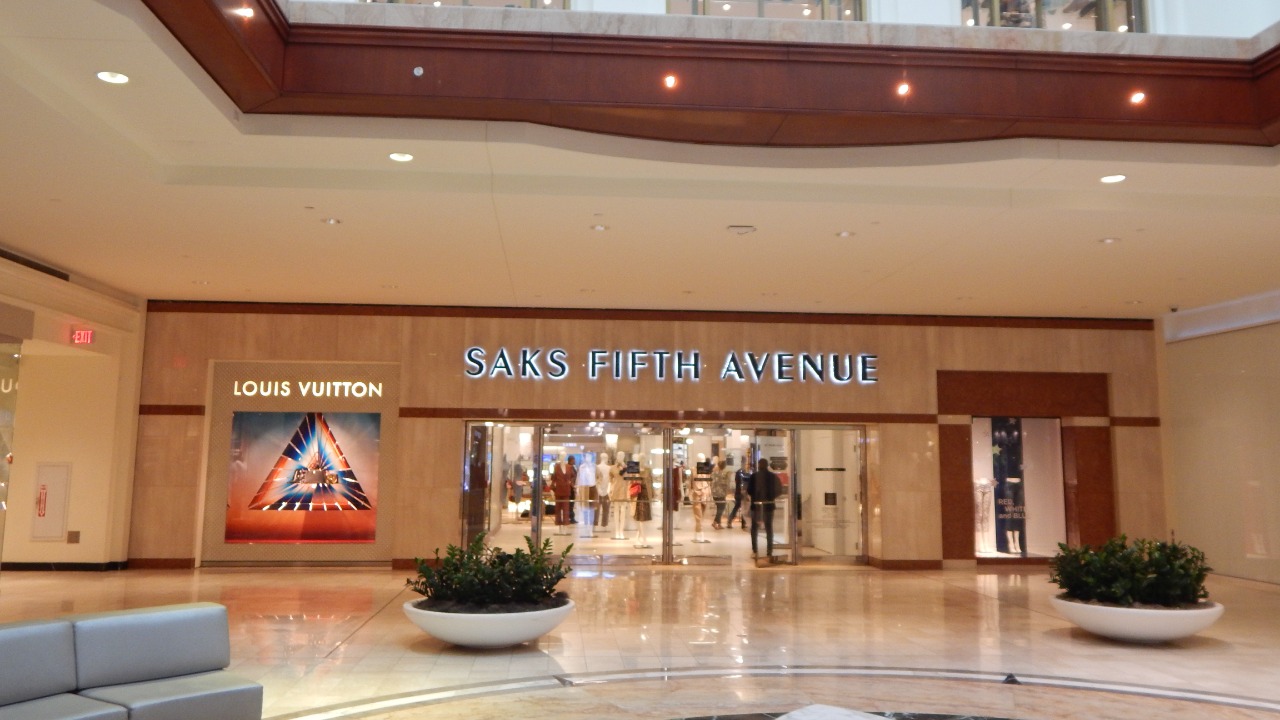
Saks Global’s plunge into Chapter 11 has exposed a sprawling web of unpaid bills that stretches from Paris couture houses to Silicon Valley software vendors. The bankruptcy of the parent of Saks Fifth Avenue and Neiman Marcus is not just a story about a storied retailer in trouble, it is a stress test for how luxury brands and tech providers get paid in an era when department stores no longer sit at the center of fashion.
As creditors line up in court, the filing lays bare how much risk brands like Chanel and Burberry, as well as enterprise tech firms, assumed by extending generous terms to a retailer whose business model was already under pressure. I see the case as a warning that the old habit of letting big stores act as bankers to the fashion and tech ecosystem has reached its breaking point.
The high-wire act that finally snapped
Saks Global has been walking a financial tightrope for years, and the Chapter 11 petition is the moment that balancing act finally failed. The company had already taken on significant obligations when it bought the Neiman Marcus Group a rich price, layering acquisition debt on top of a business facing declining traffic and intense online competition. That deal was pitched as a way to build scale in luxury, but it also left the combined group more exposed when sales growth slowed and financing costs rose.
In the restructuring, Saks Global Files for Chapter 11 Bankruptcy and has installed Former Neiman Marcus Group chief Geoffroy van Raemdonck as CEO, a leadership change that signals how serious the board is about salvaging value. The new chief executive is stepping into a company whose “high-wire financial act” depended heavily on vendors shipping goods on credit and trusting they would be paid later, a model that has now left many of those partners holding unsecured claims in court, according to the Chapter 11 filing.
Luxury powerhouses stuck in the unsecured line
The most striking detail in the court papers is how deeply some of the world’s most powerful fashion houses are entangled in Saks Global’s finances. The Chapter 11 schedules show that Saks Global owes hundreds of millions of dollars to luxury brands from Chanel to Burberry, a reminder that even elite labels can find themselves exposed when a key wholesale partner stumbles. These companies shipped high-value merchandise into Saks stores and websites, only to see their receivables frozen as the retailer sought protection from creditors, according to the bankruptcy documents.
Within that group, some names stand out. Major unsecured creditors include Chanel and Kering, which now sit among the largest claimants in the case and must wait behind secured lenders to see how much of their money they can recover. Their presence on the list underscores how even conglomerates with global reach can be forced into the role of reluctant lenders when they rely on wholesale channels instead of concessions or direct retail. The fact that Chanel and Kering are grouped among the top unsecured creditors in Saks Global’s bankruptcy highlights the growing debate inside luxury about whether to keep shipping on open terms to department stores or pivot more aggressively to models where brands control the cash flow, as reflected in the court filings.
Tech vendors learn a hard lesson in retail risk
The creditor list does not just read like a who’s who of fashion, it also features major technology names that helped power Saks Global’s e-commerce, payments, and back-office systems. Wednesday’s filing contained a list of creditors who had the 30 largest unsecured claims that were not insiders, and at the top of that roster sit both big fashion brands and tech providers waiting to get paid. For software and cloud companies that extended generous payment terms in exchange for long contracts and prestige logos, the bankruptcy is a reminder that retail clients can be fragile, even when they operate at the luxury end of the market, according to the creditor disclosures.
I see this as part of a broader shift in how enterprise tech firms will evaluate retail risk. For years, landing a marquee department store client was seen as a validation of a platform’s reach and stability, but the Saks case shows that even high-end banners can default on obligations when their core business model is under strain. As more retailers restructure, tech vendors may tighten credit checks, demand more upfront payments, or insist on stronger security interests, especially when their services are mission critical but their claims are currently treated as unsecured in court.
Shoppers, store cards, and the future of Saks Fifth Avenue
For consumers, the immediate question is what this means for shopping trips and online orders. Saks Global, which is Facing heavy debt and declining revenue as the parent company of Saks Fifth Avenue and Neiman Marcus, has signaled that stores will keep operating while it restructures, a familiar pattern in modern retail bankruptcies. Customers holding gift cards or AmEx Saks credits are being told they can continue to use them, a strategy that aims to preserve confidence and keep cash flowing even as the company negotiates with creditors, according to the restructuring plan.
Behind the scenes, the case is also a referendum on how much shoppers still need department stores in an era of direct-to-consumer apps and social commerce. One expert, speaking about the filing, noted that “There has been a transformation in retail,” a phrase that captures how quickly buying habits have shifted toward brands’ own websites, resale platforms, and marketplaces. As Jan Max Zahn reported, Saks is trying to reassure customers that its doors remain open even as it tells the court it needs breathing room from creditors, a balancing act that will determine whether the chain emerges as a leaner competitor or fades into a cautionary tale about missing the digital turn, according to consumer guidance.
What Saks reveals about Chapter 11 in the retail era
Saks Global’s collapse is part of a longer line of retailers that have used Chapter 11 to shed debt and renegotiate with landlords and suppliers rather than shut down overnight. The pattern is familiar from other sectors, such as when Tops Markets LLC used court protection to restructure its supermarket chain. In that case, the company planned to use new financing to pay down its Tops Markets LLC debt, listed at $1.18 billion, and to keep its Tops stores open while it worked to emerge from Chapter 11 after six months, a template that shows how bankruptcy can function as a reset rather than a death sentence, according to the Tops restructuring.
In the Saks case, the stakes are higher for the global luxury ecosystem because of the sheer scale of the unpaid bills. Saks Global’s Chapter 11 filing reveals that it owes hundreds of millions to big-name brands, and the list of Major unsecured creditors runs from Chanel to Burberry and beyond, a concentration of risk that will not be forgotten quickly. As I read the court papers, I see a clear message to both fashion houses and tech firms: relying on a single retailer as a major wholesale or enterprise client is no longer a safe bet, and the next phase of retail will likely be built on tighter credit terms, more diversified channels, and a lot less blind faith in the old department store model, as reflected in the creditor list.
More From The Daily Overview

Silas Redman writes about the structure of modern banking, financial regulations, and the rules that govern money movement. His work examines how institutions, policies, and compliance frameworks affect individuals and businesses alike. At The Daily Overview, Silas aims to help readers better understand the systems operating behind everyday financial decisions.
