America’s biggest banks are minting money from higher interest rates at the same moment the White House is training its sights on how much they charge on plastic. The clash between record profits and political anger over sky-high card APRs is turning a long-running consumer gripe into a test of power between President Trump and Wall Street. What looks like a technical fight over percentages is really a struggle over who benefits from a high-rate era: shareholders or borrowers.
Profits surge as borrowing costs climb
Large U.S. lenders have just closed the books on a blockbuster year, with higher rates fattening margins across everything from mortgages to credit cards. I see the core story as simple: the same rate environment that has squeezed households has delivered a “monster” 2025 for the biggest institutions, with Large U.S. banks wrapping up the year in strong shape from a shareholder’s point of view. After a year of high interest costs for consumers, the earnings reports show just how lucrative that backdrop has been for the industry.
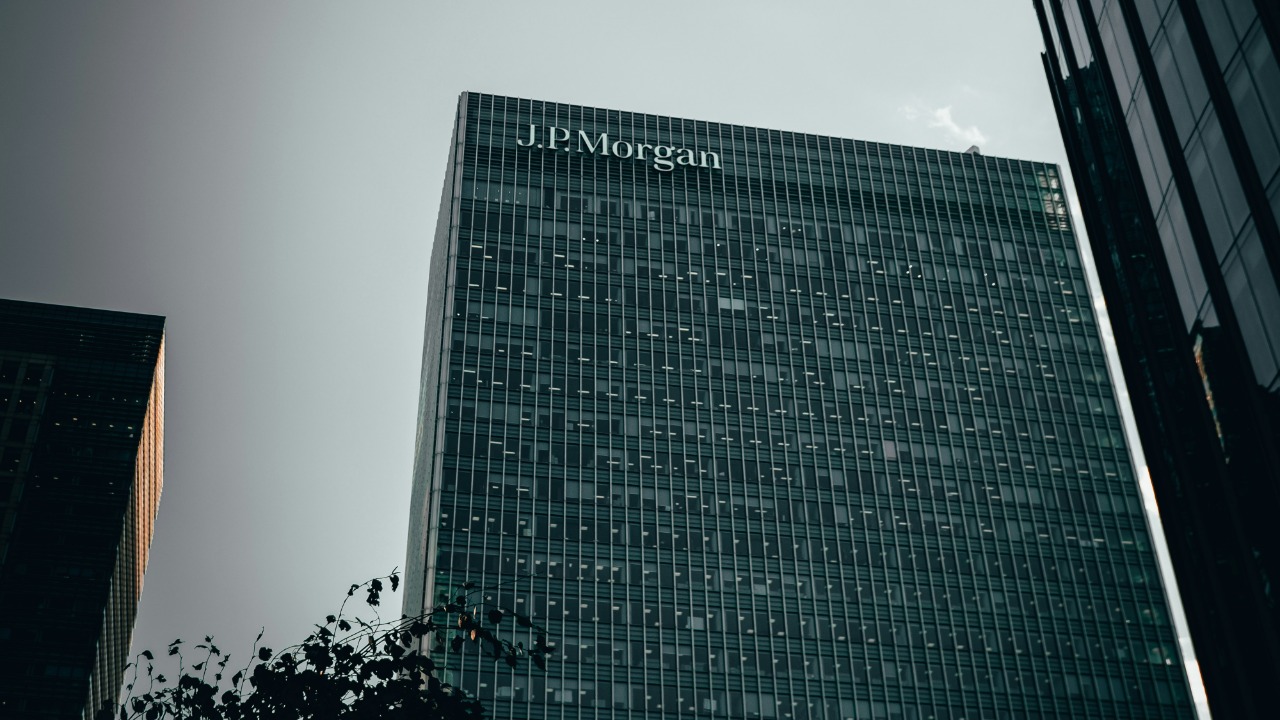
The headline numbers are striking. Big institutions such as JPMorgan Chase, Bank of America and their peers have reported soaring profits, helped by robust net interest income and the sheer scale of their loan books. Earlier this week, JPMorgan Chase underscored how strong 2025 was for the sector, reinforcing the sense that the big players have emerged from the rate-hiking cycle in enviable financial health. For investors, this is the payoff from years of consolidation and cost-cutting. For borrowers, it is a reminder that their higher monthly bills are someone else’s windfall.
Credit cards become the political flashpoint
Within those earnings, credit cards stand out as both a profit engine and a political liability. For these big banks, many of which have large and profitable card businesses, the interest charged on revolving balances is a key driver of returns, especially when benchmark rates are elevated. One major institution recently highlighted how its card unit generated billions in income on revenues of $21.3 billion, a figure that captures just how central plastic has become to the modern banking model, according to Jan earnings coverage.
At the same time, the cost of carrying a balance has climbed into territory that would have been hard to imagine a decade ago. When analysts talk about the typical card rate, they are referring to the average midpoint of the APR ranges assessed by 111 popular credit cards, a benchmark that captures how lenders tier pricing to different customers based on their creditworthiness. That When definition from Bankrate’s methodology underlines how systemic the high-rate environment has become, not just for a handful of niche products but across the mainstream cards that sit in millions of wallets.
Trump’s 10% cap proposal jolts Wall Street
Into this combustible mix stepped President Trump, who has seized on card APRs as a symbol of what he casts as financial excess. In a post on Truth Social last Friday, President Trump called for a “one year cap on Credit Card Interest 10%,” framing the move as a way to give households breathing room while the broader economy adjusts to higher borrowing costs. The proposal, which he wants to take effect quickly, would amount to an aggressive intervention in a market that has long priced risk with wide spreads over benchmark rates.
Supporters of the idea see it as a straightforward fairness measure: if banks can report record profits, why should everyday cardholders pay rates that can run into the twenties? According to a separate summary of the plan’s mechanics, President Trump has floated the cap as a one-year measure, with the limit set at 10% and scheduled to take effect on Jan. 20, a date that would align the policy with the start of a new regulatory period. Those Key Takeaways frame the cap as a temporary shock absorber, though the political message is clear: the administration is willing to confront Wall Street directly over how it treats revolving borrowers.
Banks warn of fallout for borrowers and the economy
The banking industry has responded with unusual speed and intensity, warning that a hard ceiling on card APRs would backfire on the very people it is meant to help. Banks argue that unsecured credit is inherently risky, and that a 10% cap would force them to pull back lending to anyone but the most pristine borrowers. In their view, the result would be fewer approvals, lower credit limits and a shift of riskier customers toward payday lenders and other fringe providers that sit outside the traditional regulatory perimeter, a concern that has been voiced in multiple Banks briefings.
Executives have also warned of broader macroeconomic consequences. If card portfolios suddenly earn far less, banks say they will have to cut back on other forms of lending, from small-business credit lines to auto loans, in order to preserve capital and shareholder returns. Industry groups have cautioned that such a retrenchment could trigger a “significant economic slowdown,” language that surfaced as they pushed back on the White House proposal and highlighted how a large institution with a big card portfolio on its balance sheet could be forced to rethink its entire risk model. Their argument is that the cap would not just trim profits at the margin, it would rewrite the economics of unsecured consumer credit.
Regulatory winds and the next phase of the fight
All of this is unfolding as regulators and markets are already bracing for a tougher stance on big banks. The sector’s performance in 2025 was described as nothing short of extraordinary, and earlier in January, JPMorgan Earlier set the tone with results that reinforced calls in Washington for tighter oversight. New rules, some scheduled to take effect on Jan. 20, are already set to reshape capital requirements and fee practices, and the proposed card cap would land on top of that shifting landscape. From my vantage point, the political appetite to rein in perceived excess is rising just as the industry is trying to convince investors that the golden era of high margins can last.
The coming months will show whether the White House is prepared to push its 10% cap through a skeptical financial system, or whether the proposal serves more as a negotiating tactic to extract narrower concessions on fees and disclosures. For now, the contrast is stark: on one side, big banks are reporting soaring profits from businesses that include vast credit card operations, as highlighted in recent Jan earnings rundowns; on the other, the president is publicly challenging the legitimacy of the rates that underpin those returns. That tension, between balance-sheet strength and political vulnerability, is likely to define the next phase of the relationship between Wall Street and the Trump administration.
More From The Daily Overview

Cole Whitaker focuses on the fundamentals of money management, helping readers make smarter decisions around income, spending, saving, and long-term financial stability. His writing emphasizes clarity, discipline, and practical systems that work in real life. At The Daily Overview, Cole breaks down personal finance topics into straightforward guidance readers can apply immediately.