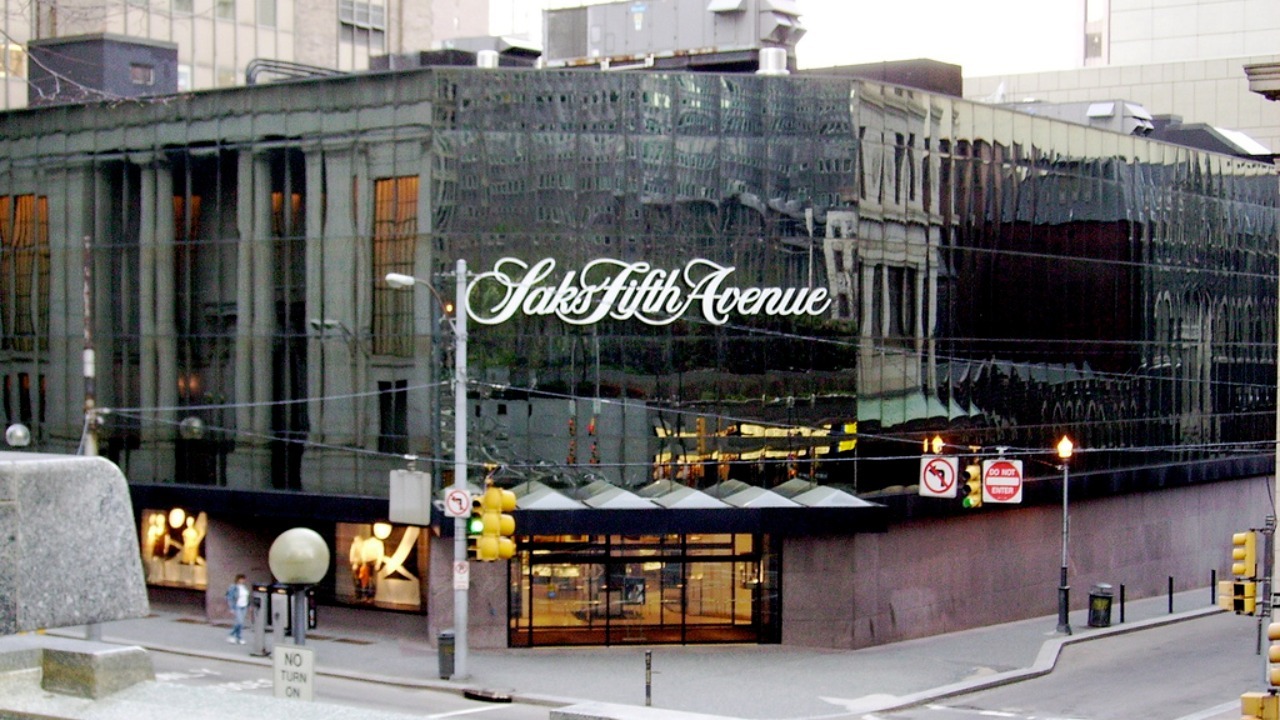
Saks Global’s bankruptcy has moved from legal paperwork to visible fallout, with the company shutting more stores and shrinking its physical footprint. The owner of Saks Fifth Avenue and Neiman Marcus is closing eight Saks Fifth Avenue locations and one Neiman Marcus store as it tries to survive Chapter 11. The cuts show a luxury giant racing to adapt to a retail model that no longer revolves around sprawling department stores and long-term mall leases.
The closures are framed as a restructuring, but they also raise a deeper question about what “high-end” even means when shoppers, suppliers and creditors all face uncertainty. Rather than a one-off crisis, this looks like a test of whether traditional luxury chains can reinvent themselves fast enough to keep pace with digital rivals and changing expectations. The outcome will shape where affluent customers shop, how brands reach them and how much risk lenders are willing to take on old-style department stores.
Another wave of store closures
The latest round of shutdowns is stark on its own terms. Saks Global plans to close eight Saks Fifth Avenue stores and one Neiman Marcus store, a clear pullback from the flagship-style spaces that once defined the brand. According to Associated Press reporting, the company listed 698 million dollars in secured debt tied to real estate and store operations, a load that makes large, slow-growing locations hard to justify. Store-closure counts, locations and timing are now directly tied to the Chapter 11 process, which means judges and creditors have a say in where Saks still does business and which communities lose a luxury anchor.
In court and public statements, Saks Global has described these closures as a step in its restructuring during Chapter 11 bankruptcy, a legal shield that lets it keep operating while it reorganizes its debts. The decision to cut eight Saks Fifth Avenue stores and one Neiman Marcus location sits alongside plans to shrink other parts of the portfolio, including off-price concepts, as part of the same strategy. Court filings reviewed by reporters show that the company has identified 36 leases it wants to exit or renegotiate early, a sign that real-estate costs are central to the turnaround plan. The closures are not isolated moves, but pieces of a coordinated attempt to convince the court that Saks Global can emerge as a smaller, profitable chain.
Chapter 11 and the fight to survive
Saks Global’s bankruptcy filing placed the company under Chapter 11 protection, giving it time to renegotiate with creditors while most stores stay open. Chapter 11 is designed for large companies that may be viable if they can shed debt, exit bad leases and reset contracts. The company’s framing of the process as a restructuring, rather than a wind-down, suggests it is arguing that there is still a profitable core business built around luxury apparel, accessories and beauty. Management has told the court that digital sales and top-performing stores can support a slimmed-down company if fixed costs come down fast enough.
The filing, however, has already created uncertainty for iconic stores, suppliers and shoppers. Court documents describe creditor disputes and supplier impacts, as vendors try to understand when and how they will be paid for goods already delivered. A Washington Post review of the bankruptcy paperwork notes that some brands are owed millions of dollars and face hard choices about future shipments. While Chapter 11 gives Saks Global breathing room, it also risks fraying the relationships that make a luxury department store attractive in the first place.
Off-price retrenchment and a shrinking footprint
The pain is not limited to full-line luxury locations. Saks Global’s broader restructuring involves closing off-price stores as well, including most of its Saks Off 5th outlets. Reporting in The Washington Post says the company plans to shut 36 Off 5th stores outright and review dozens more for possible closure over the next year. That shift signals a judgment that the company cannot profitably operate a large discount chain alongside its flagship stores, at least not under its current debt load and cost structure.
Instead, Saks Global is choosing to concentrate on a smaller network of higher-end locations, hoping that a leaner footprint can still support the brand’s image and margins. The off-price retrenchment is part of the same Chapter 11 strategy that is taking down eight Saks Fifth Avenue stores and one Neiman Marcus. Together, these moves suggest that Saks Global is not simply trimming a few weak locations but rethinking the role of physical stores across its portfolio. In effect, the company is admitting it can no longer be everywhere for everyone, and is betting that a smaller, more curated set of stores plus digital channels can keep affluent shoppers engaged.
Suppliers, creditors and the hidden fallout
Behind every shuttered store is a chain of suppliers, landlords and workers who feel the shock long before the lights go out. Court filings describe creditor disputes and supplier impacts, as fashion labels, cosmetics companies and other vendors try to figure out how much of their outstanding invoices they will actually recover. The same Washington Post review of the supplier claims notes that more than 4,231 individual invoices are tied to the case, many from small and mid-size brands that lack deep cash reserves. When a retailer in Chapter 11 delays or reduces payments, it can ripple through designers’ own production schedules and hiring plans.
Reporting on creditor and supplier tensions suggests that the bankruptcy has already strained some of these relationships. The fact that these disputes appear in court filings highlights how central they are to the case, not just a side issue. There is a real risk that, even if Saks Global emerges from Chapter 11 with fewer stores and less debt, some suppliers may shift more inventory to direct-to-consumer channels or rival retailers they see as safer partners. That would make it harder for Saks to restock its shelves with the brands shoppers expect, weakening the very appeal it is trying to preserve and potentially raising costs as vendors demand tighter payment terms.
What this means for luxury shoppers and rivals
For shoppers, the closures mean fewer chances to browse racks, talk to sales staff and try on items before buying. The bankruptcy filing has already created uncertainty for people who hold gift cards, use store credit accounts or rely on in-store services like tailoring and beauty consultations. Some customers may wait to make large purchases until they feel sure a store will stay open. Others may shift more of their spending to brands that sell directly through their own websites and apps, or through online luxury platforms that promise fast shipping and easy returns.
That shift could benefit e-commerce rivals that are built around data-driven merchandising and leaner overhead. If Saks Global concentrates on a smaller number of high-profile stores, its online operation will have to carry more of the sales burden, while also reassuring shoppers that orders and returns will not be disrupted by the court process. The combination of eight Saks Fifth Avenue closures, one Neiman Marcus shutdown, 36 Off 5th closures and a heavy debt load of about 698 million dollars suggests a future where the company’s physical footprint is smaller and more selective. At the same time, a recent Federal Reserve discussion of credit conditions highlights that higher borrowing costs make turnarounds harder and raise the stakes for any misstep. Legacy chains like Saks may end up leaning on a handful of marquee stores plus online sales, while digital-first players race to capture customers in markets that lose a department store.
More From The Daily Overview
*This article was researched with the help of AI, with human editors creating the final content.

Grant Mercer covers market dynamics, business trends, and the economic forces driving growth across industries. His analysis connects macro movements with real-world implications for investors, entrepreneurs, and professionals. Through his work at The Daily Overview, Grant helps readers understand how markets function and where opportunities may emerge.