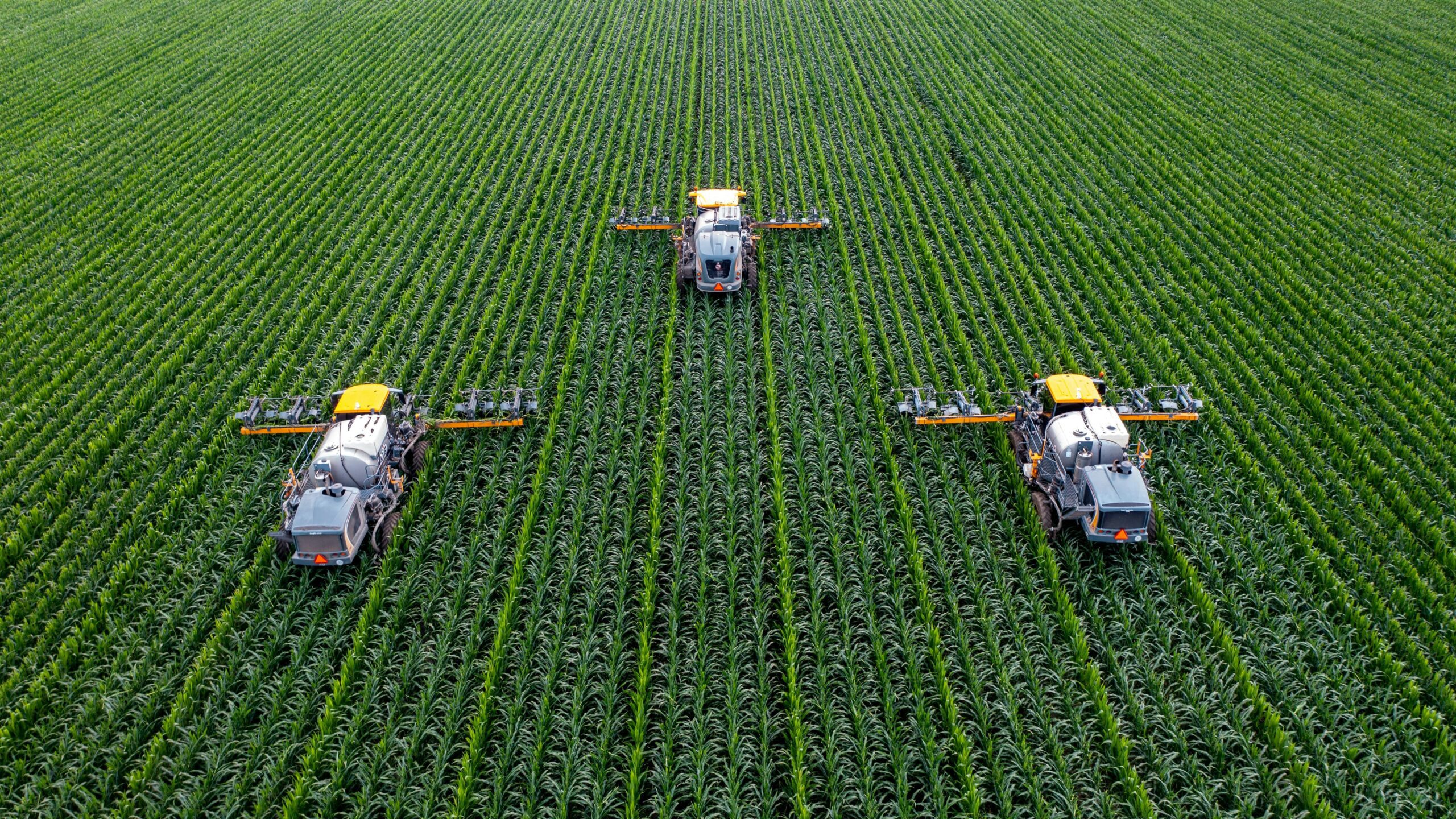
The U.S. Department of Agriculture built its authority on the idea that its numbers could be trusted, especially on corn acreage. That confidence has been shaken after massive revisions to 2025 corn acres blindsided farmers and traders, turning what should be a stabilizing data release into a market shock. The scale and timing of the changes have raised a sharper question: is the problem bad luck in a difficult year, or a structural weakness in how the government counts acres?
The controversy is less about a single bad estimate and more about a system that struggled to keep up with how farmers actually report their fields. When final 2025 planted and harvested corn acres had to be revised upward by what analysts called an “unprecedented” amount, it did more than move prices. The change exposed a gap between the surveys USDA relies on and the administrative data it receives later, and that gap is where trust is now leaking out.
From steady benchmark to moving target
For years, corn acreage has been treated as one of the most stable anchors in U.S. crop data. Official USDA, National Agricultural Statistics Service (NASS) figures for 2024 put corn planted area at 91.5 million acres, which the agency said was down 3% from 2023 in its June acreage summary. In the same report, NASS described soybean planted area as up 3% from the prior year, reinforcing the idea that farmers were nudging acres from corn to soybeans rather than making wholesale shifts. Those numbers helped set expectations for grain supplies and informed decisions on everything from fertilizer orders to land rents.
That pattern appeared to hold into the next season. In its Prospective Plantings release, Official USDA, NASS estimated 2025 corn planting intentions at 95.3 million acres and soybeans at 83.5 million acres, based on a large-scale farmer survey of plans. A few months later, the June Acreage report put planted corn at 95.2 million acres, according to Official USDA, NASS June estimates. That June figure was described as up 5% from 2024, although that comparison conflicts with the 91.5 million acre base, which would imply a slightly different percentage change. Even with that inconsistency, the broad message was clear: corn acres were expanding, soybeans shrinking, and the system appeared to be tracking the shift in real time.
The 2025 revision that rattled markets
The calm broke when the final 2025 estimates arrived. Reporting on the January 2026 data release described Official USDA’s final numbers for 2025 corn planted and harvested acres as an “unprecedented” increase compared with earlier estimates, a characterization drawn from an analysis of the January figures that highlighted how much the final totals exceeded the June and September readings for corn area. That kind of step change is rare for a crop that covers tens of millions of acres and is tracked multiple times a year. It meant that earlier reports had materially understated how much corn was actually in the ground and ultimately harvested.
The market reaction was swift. A surprise USDA corn acreage revision hit prices and confidence, according to coverage that described how the adjustment “rattled” farmers and grain markets and exposed data gaps that now worry both groups corn belt. Already-low grain prices sank more than 5% after the revision, at a moment when growers were already struggling to make money, according to one account of the fallout that tied the price slide directly to the acreage shock and other estimate changes around corn supply. That combination of a surprise and an immediate financial hit is what turned a technical revision into a reputational crisis.
How survey timing and FSA data collided
To understand why the revision was so large, it helps to look at how Official USDA, NASS builds its estimates. The Prospective Plantings and June Acreage reports rely on survey responses from farmers, while later in the season NASS incorporates certified acreage from the Farm Service Agency (FSA) as it becomes available. In a September Crop Production report, the agency said planted and harvested acreage estimates were reviewed and revised based on available data, including administrative sources, as part of its normal process for updating crop estimates. The idea is that early surveys give a timely read, and later FSA data helps refine the picture.
In 2025, that handoff seems to have broken down. Analysts quoted in coverage of the episode pointed to delays in Farm Service Agency reporting, which meant the statistics service did not have a complete picture of acreage when it normally would. One account described how this slowed the flow of certified acres and included the blunt assessment that “NASS had less information to go on” when it produced earlier estimates late FSA files. Farmers are required to report plantings to the Farm Service Agency to be eligible for loan and revenue programs that cover a wide range of crops and regions, which means those administrative records should, in theory, be a strong cross-check on survey-based acres across farm programs. When that data arrived later than usual, the normal feedback loop between FSA and NASS weakened at exactly the wrong time.
Production swings and a credibility gap
The acreage turmoil landed on top of an already mixed production story. Official USDA, NASS reported that corn production was down in 2024 compared with 2023, while soybean production was up over the same period, in its Final Crop Production Annual Summary that wrapped up the 2024 season for major crops. Those shifts meant that even before the 2025 acreage shock, corn markets were dealing with tighter supplies relative to the prior year, while soybeans were more plentiful. When the acreage revisions signaled that more corn had been planted and harvested in 2025 than previously thought, it effectively rewrote that supply narrative after farmers had already made marketing decisions.
Looking ahead, Official USDA, NASS has forecast that U.S. corn production will be up from 2024 in a later Crop Production report that also noted ongoing adjustments to planted and harvested acreage based on new data for expected yields. That projection may prove accurate, but the credibility gap created by the 2025 revisions means farmers and traders are likely to treat it with more caution. One detailed analysis of the episode argued that the unprecedented increase in final 2025 acres made it difficult for producers and merchandisers to manage risk, because hedging and storage decisions had been based on earlier, lower acreage figures that suddenly looked unreliable once new data. The episode suggests that even accurate forecasts can lose their value if users fear they will be overturned months later.
What the data series reveals about risk
One way to judge whether 2025 was a one-off or part of a pattern is to look at the historical series. Official USDA, NASS makes its acreage and production data available through its online Quick Stats database, which allows users to track planted corn acres and identify when revisions occurred across multiple years. A careful review of that database can show how often early estimates have needed large adjustments and whether those changes tend to move in one direction. If revisions are usually small and balanced, the 2025 shock looks more like an outlier. If they cluster on the side of raising acres later, that would support the view that early reports systematically undercount supply.
Based on the verified figures, the basic arc of the numbers still makes sense. The 2024 Acreage report showed corn at 91.5 million acres and soybeans up 3% from 2023, while the 2025 intentions and June estimates pointed to 95.3 million and 95.2 million corn acres respectively, as reported by Official USDA, NASS in its spring and summer survey series. Those steps form a coherent story: farmers planned more corn, then planted roughly what they said they would. The break came later, when final figures jumped again. That suggests the main vulnerability lies not in the spring surveys but in how mid-season and administrative data are folded into the final counts.
More From The Daily Overview
*This article was researched with the help of AI, with human editors creating the final content.

Grant Mercer covers market dynamics, business trends, and the economic forces driving growth across industries. His analysis connects macro movements with real-world implications for investors, entrepreneurs, and professionals. Through his work at The Daily Overview, Grant helps readers understand how markets function and where opportunities may emerge.