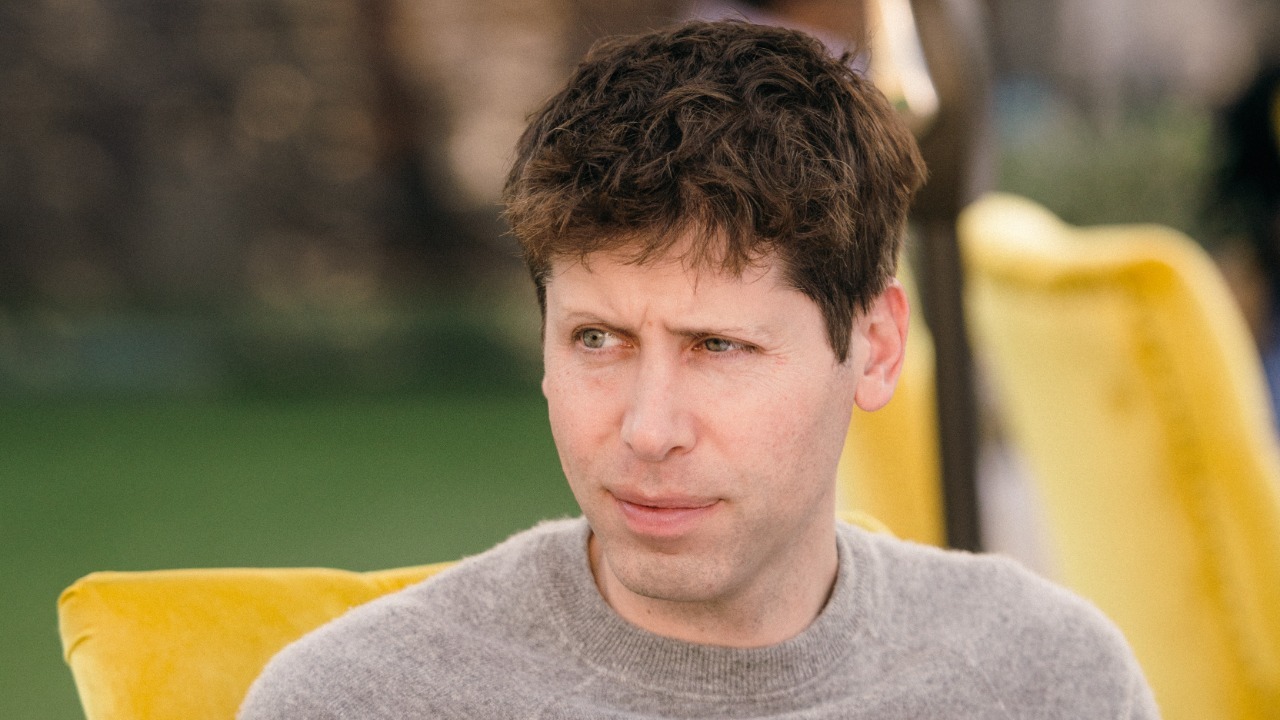
Sam Altman, CEO of OpenAI, recently expressed regret over not taking equity in the company earlier, stating that doing so “would have led to far fewer conspiracy theories.” Altman, who currently holds no stake in OpenAI, has prioritized a mission-driven focus over personal financial gain. This revelation comes amid ongoing scrutiny, including a conspiracy theory from Elon Musk regarding Altman’s decision to decline equity following OpenAI’s major deal with Microsoft.
Altman’s Reflections on Equity and OpenAI’s Mission
Sam Altman has openly reflected on his decision not to secure equity in OpenAI during its formative years, linking this choice to the rise of external speculation about his role. Despite his significant influence as CEO, Altman has maintained no equity stake in OpenAI, a decision he attributes to his commitment to the organization’s mission rather than personal compensation. This approach has been a cornerstone of Altman’s leadership since OpenAI’s inception, emphasizing the importance of mission alignment over financial incentives.
However, Altman’s recent comments suggest a shift in perspective, acknowledging that earlier equity involvement might have enhanced transparency and reduced speculation. By not holding equity, Altman aimed to underscore his dedication to OpenAI’s goals, yet he now recognizes that this decision may have inadvertently fueled conspiracy theories. This acknowledgment highlights the evolving dynamics within OpenAI’s leadership and the broader implications for transparency in tech companies.
Elon Musk’s Conspiracy Theory on the Microsoft Deal
Elon Musk has proposed a conspiracy theory regarding why Sam Altman did not take an equity stake in OpenAI after the company’s significant partnership with Microsoft. Musk’s theory, publicly voiced, suggests that Altman’s decision is tied to undisclosed terms and implications of the Microsoft collaboration, implying hidden motives behind the choice. This perspective contrasts sharply with Altman’s own emphasis on mission alignment, highlighting the tensions between key figures in the AI industry.
Musk’s theory introduces a new layer of scrutiny to OpenAI’s post-Microsoft era, suggesting that Altman’s no-equity stance may be more complex than previously understood. This speculation underscores the challenges faced by tech leaders in balancing transparency with strategic partnerships, particularly in high-stakes collaborations like the one with Microsoft. The ongoing debate reflects broader industry concerns about governance and accountability in AI development.
Shifting Dynamics and Reduced Speculation
Altman’s recent comments mark a significant acknowledgment that early equity involvement could have preempted conspiracy theories, potentially altering perceptions of OpenAI’s internal governance. By addressing these concerns, Altman aims to clarify his motivations and stabilize stakeholder trust amid high-profile partnerships. The absence of equity for Altman has fueled ongoing debates, but his recent statements seek to mitigate speculation and reinforce OpenAI’s mission-driven focus.
Elon Musk’s theory continues to influence narratives within the AI community, highlighting the complexities of leadership decisions in the tech industry. As OpenAI navigates its post-Microsoft landscape, the implications of Altman’s no-equity stance remain a focal point for stakeholders. This ongoing discourse emphasizes the importance of transparency and accountability in shaping public perceptions of tech companies and their leaders.
In conclusion, Altman’s reflections on equity and the resulting speculation underscore the intricate dynamics of leadership in the tech industry. By addressing these issues, Altman seeks to reinforce OpenAI’s mission-driven focus while navigating the challenges of transparency and accountability in high-stakes partnerships.
More From TheDailyOverview
- Dave Ramsey warns to stop 401(k) contributions
- 11 night jobs you can do from home (not exciting but steady)
- Small U.S. cities ready to boom next
- 19 things boomers should never sell no matter what

Grant Mercer covers market dynamics, business trends, and the economic forces driving growth across industries. His analysis connects macro movements with real-world implications for investors, entrepreneurs, and professionals. Through his work at The Daily Overview, Grant helps readers understand how markets function and where opportunities may emerge.